
Plants
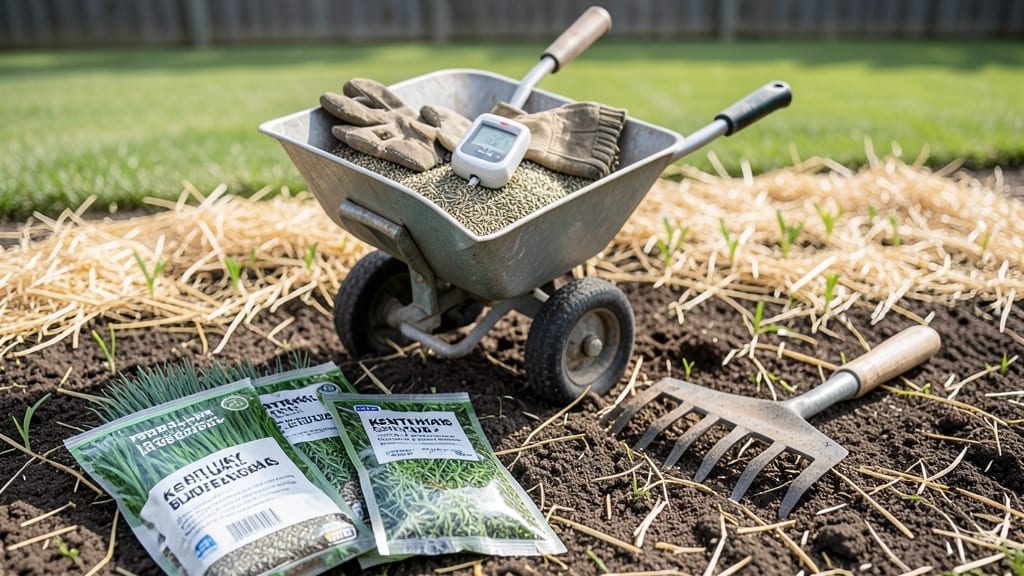
Planting grass seed in Minnesota between late August and early October gives it the best shot at deep roots before winter—skipping this window often means patchy, weak lawns that struggle with frost.
I’ve seen neighbors wait until spring, only to watch their new grass turn brown by July. The secret? Cool fall soil and consistent rainfall let seeds germinate without the stress of summer heat or winter freeze.
Below, I break down the exact timing for your USDA zone—whether you’re in the 3a north or 5b south—plus how to prep your soil for maximum germination and year-round resilience.
You’ll learn which grass types thrive in Minnesota’s climate, how deep to plant, and the one watering trick that keeps seeds from washing away in rain or drying out in wind.
Best months to plant grass seed in Minnesota (late summer vs. early fall)
Minnesota’s cool-season grasses like Kentucky Bluegrass and Fine Fescue thrive when planted during late summer or early fall. This timing allows seeds to germinate before winter, giving roots time to establish. The key is avoiding extreme heat or frost, which can stunt growth or kill young seedlings.
Most Minnesota gardeners focus on August through October, but the best window depends on your USDA zone (3a-5b) and local frost dates. Southern Minnesota (Zone 5b) has a slightly longer growing season than northern areas (Zone 3a), so timing adjustments are crucial for success.
Here’s how the two planting windows—late summer (August-September) and early fall (October)—compare for Minnesota’s climate:
Late summer planting (August-September) works well for repairing damaged lawns or establishing new grass quickly. Soil temperatures are still warm, but afternoon moisture helps seeds stay hydrated. Aim to finish by mid-September in northern Minnesota to avoid early frost risks.
For early fall planting (October), focus on root development rather than rapid growth. Seeds germinate slower in cooler temps, but established roots handle winter stress better. In Zone 3a, wrap up by mid-October; in Zone 5b, you can push to early November.
Both windows require consistent moisture—water deeply 1-2 times daily until grass reaches 3 inches tall. Mulching with straw retains soil moisture and protects seeds from drying winds, a critical step in Minnesota’s variable climate.
Pro tip: Test your soil pH before planting—most Minnesota lawns benefit from lime amendments to raise pH to 6.5-7.0, the ideal range for cool-season grasses. A simple $20 soil test kit from your local garden center makes this easy.
If you’re torn between late summer and fall, early September is the sweet spot for most of Minnesota. It balances warm soil and cooler air, reducing stress on young seedlings while giving them time to root before winter.
Remember: Perennial Ryegrass germinates fastest (7–10 days), while Fine Fescue takes longer (14–21 days). Mixing types can give you the best of both worlds—quick cover and long-term resilience.
🌱
How to prepare your Minnesota lawn for fall grass seed planting (step-by-step)
Fall is the perfect time to plant grass seed in Minnesota because cooler temperatures and increased rainfall create ideal conditions for deep root growth. However, proper preparation is key to avoiding common pitfalls like poor germination or erosion.
Start by assessing your lawn’s current state and addressing any issues before planting.
Minnesota’s USDA zones 3a-5b mean soil temperatures and frost dates vary by region, but late August through mid-September is the sweet spot for most areas. If you wait too late, early frosts can stunt seedling growth, while planting too early exposes seeds to summer heat stress.
Let’s break down the essential steps to prepare your lawn for success.
🌱 Step-by-Step Prep for Fall Grass Seed Planting
-
Step 1: Test Your Soil
Use a soil test kit (available at garden centers) to check pH and nutrient levels. Minnesota’s clay-heavy soils often need lime to raise pH (ideal: 6.0–7.0) and compost to improve drainage. Adjust 4–6 weeks before planting. -
Step 2: Mow Low and Remove Debris
Cut grass to 1.5–2 inches to expose soil for better seed-to-soil contact. Rake away thatch and debris, which can block sunlight and moisture. A dethatching rake works best for thick layers. -
Step 3: Aerate Compacted Soil
Minnesota’s freeze-thaw cycles compact soil, suffocating grass roots. Rent a core aerator to pull 3–4 inch plugs from the lawn, creating space for seeds and roots. Focus on high-traffic areas first. -
Step 4: Control Weeds
Apply a pre-emergent herbicide (like corn gluten meal) 2–4 weeks before planting to prevent weed seeds from germinating. For existing weeds, spot-treat with vinegar or a natural herbicide like clove oil. -
Step 5: Spread Compost or Fertilizer
Work in 2–3 inches of compost or a starter fertilizer (high in phosphorus) into the top 2 inches of soil. This provides essential nutrients for early root development. Avoid heavy nitrogen fertilizers, which can burn seedlings. -
Step 6: Choose the Right Seed
Select a cool-season grass mix suited to Minnesota, such as Kentucky Bluegrass (durable, spreads well) or Fine Fescue (shade-tolerant, drought-resistant). Avoid warm-season grasses like Bermuda. -
Step 7: Plant and Protect
Spread seed evenly using a broadcast spreader at the rate listed on the package. Lightly rake to cover seeds with ¼ inch of soil, then water gently to settle them. Apply a straw mulch to retain moisture and shield seeds from birds.
After planting, water your lawn lightly but frequently—about ¼ inch daily for the first 2 weeks—to keep the soil moist but not soggy. Once seedlings reach 3–4 inches tall, gradually reduce watering to encourage deep root growth.
Avoid heavy foot traffic until the new grass is fully established (typically 6–8 weeks).
Minnesota’s fall weather can be unpredictable, so keep an eye on forecasts. If a hard frost is predicted within 10 days of planting, delay until conditions improve. With the right prep, your lawn will thrive through winter and emerge lush in spring.
Pro tip: Mark your calendar for early October to apply a winterizer fertilizer (high in potassium) to strengthen roots before dormancy. This simple step can make all the difference in surviving Minnesota’s harsh winters.