
Propagation
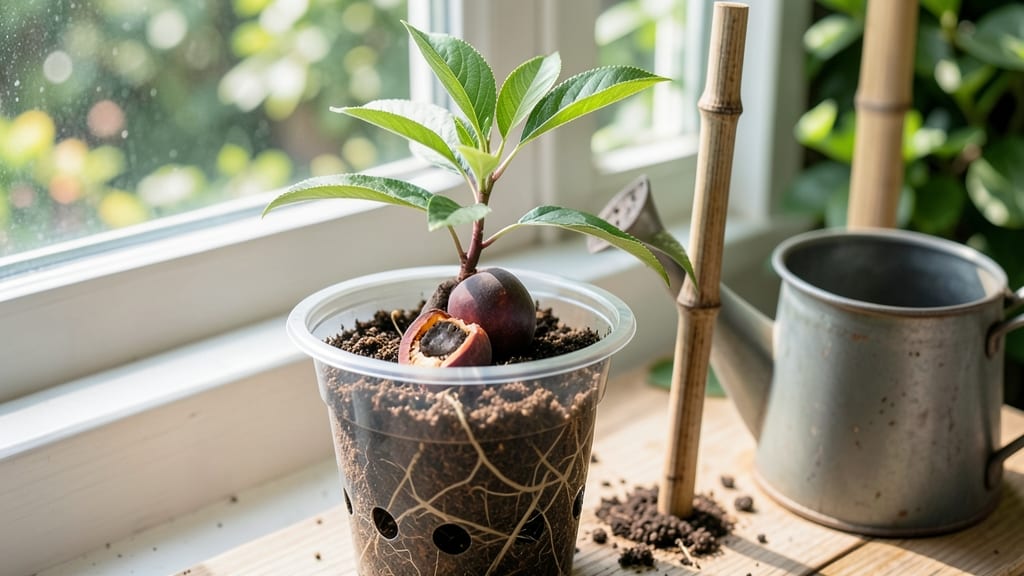
Growing a peach tree from a seed takes 3 to 5 years before you’ll see fruit, but the journey starts with a tiny seed sprouting in just a few weeks.
Picture this: you plant a peach pit in early spring, and by summer, a tiny seedling with two leaves pokes through the soil—proof that patience pays off. But here’s the catch: that first harvest won’t come until years later, when your 🍑 peach tree finally matures.
Climate, soil, and care all play a role in speeding up or slowing down growth. In Zone 6a, for example, cooler springs can delay early development, while rich soil and full sun accelerate it.
Even with perfect conditions, though, expect at least 3 years before flowers appear—and another year or two before fruit ripens.
In this guide, I’ll break down the exact timeline from seed to sapling, the care steps that make a difference, and why some seeds never sprout at all. Let’s get started.


Peach seed germination timeline: weeks to months before sprouting
Growing a peach tree from seed is a journey that begins long before you see that first tiny green shoot. The germination process for peach seeds can take anywhere from 2 weeks to 6 months, depending on how you prepare the seed.
Unlike store-bought seedlings, seeds require a special process called stratification to break their natural dormancy and encourage sprouting.
Many gardeners skip this critical step and wonder why their peach pits never sprout. Without proper cold treatment and moisture, seeds remain dormant indefinitely. Think of stratification as tricking the seed into believing winter has passed—just like nature would do in the wild.
This mimics the natural cycle where seeds germinate in spring after a cold winter.
Once you’ve completed stratification, the actual sprouting timeline depends on three key factors: temperature, moisture, and soil conditions. Ideal germination occurs when soil stays between 65°F and 75°F (18°C–24°C) and remains consistently moist but not waterlogged.
Too cold, and growth stalls; too hot, and seeds may rot before sprouting.
Peach Seed Germination Step-by-Step Timeline
- 1 Extract and Clean the Seed – Remove the pit from ripe peaches, wash off fruit residue, and let it dry for 24 hours. Scratch the hard seed coat lightly with sandpaper to improve water absorption.
- 2 Stratify for 6-12 Weeks – Place the seed in a plastic bag with slightly damp sphagnum moss or peat moss. Store in the fridge (35°F–40°F or 2°C–4°C) for 6-12 weeks. Check moisture weekly—never let it dry out.
- 3 Plant After Stratification – Sow the seed 1 inch deep in a pot with well-draining soil (60% potting mix, 40% perlite). Keep soil moist but avoid waterlogging. Place in a warm, sunny spot (70°F+ or 21°C+).
- 4 Sprouting in 2-8 Weeks – Under ideal conditions, the seed will sprout in 2-4 weeks. If soil is too cold (<60°F or 15°C), germination may take 6-8 weeks. A healthy seedling will have 2 small leaves (cotyledons) within 30 days.
- 5 Transplant Seedling – Once the seedling reaches 4-6 inches tall (after 2-3 months), transplant it to a larger pot or outdoor garden bed. Harden off for 1 week before moving outside.
After stratification, the fastest germination occurs when you plant seeds in spring (March–April) when soil temperatures naturally rise. If you plant in fall, seeds may not sprout until the following spring, adding 3-6 extra months to the timeline.
Always use a seedling heat mat (70°F+ or 21°C+) if your home stays cool.
One common mistake is assuming peach seeds will sprout quickly like vegetable seeds. Unlike fast-germinating radish or bean seeds, peach seeds are designed to wait for perfect conditions.
Patience is key—some seeds take up to 6 months to break dormancy naturally. If your seed hasn’t sprouted after 3 months, it may not be viable.
For best results, maintain consistent moisture during germination. Overwatering can cause seed rot, while underwatering halts growth. Use a spray bottle to mist soil lightly every 2-3 days until you see sprouts. Once the first leaves appear, reduce watering slightly but keep the soil evenly moist.
Remember, the first leaves (cotyledons) aren’t true leaves—they’re just the seed’s food supply. The real leaves (serrated and green) appear 4-6 weeks after sprouting. These mark the start of your seedling’s photosynthetic growth, when it can finally produce its own food.
If you’re eager to speed up the process, try soaking seeds in warm water for 24 hours before stratification. This can reduce the 6-12 week cold treatment to just 4-8 weeks. However, never skip stratification entirely—it’s essential for breaking dormancy in peach seeds.
Once your peach seedling emerges, it’s just the beginning. The real challenge is growing it into a fruit-bearing tree, which can take 3-5 years. But the wait is worth it when you finally taste your first homegrown peach! 🍑
Peach tree growth stages: year-by-year development from seedling to fruit-bearing tree
Watching a peach tree grow from a tiny seedling to a fruit-bearing tree is one of the most rewarding experiences in gardening. While it requires patience, understanding each year-by-year stage helps you provide the right care to accelerate development.
From germination to first fruit, here’s what to expect—and how to nurture your tree at every step.
In Year 1, your peach seed will transform into a delicate seedling with its first true leaves. This stage focuses on establishing a healthy root system and shoot growth. By Year 2, your sapling will grow rapidly, reaching 6-10 feet tall if given ideal conditions.
The real magic happens in Years 3-5, when your tree enters its reproductive phase and finally produces fruit.
🌱 Key Tip: Peach trees grown from seed may not produce fruit identical to the parent tree, as they’re not true-to-type. For consistent fruit quality, consider grafting later—but the journey is still worth it!
During Year 1, your seedling will need gentle care to avoid stress. Plant it in well-draining soil with 6+ hours of sunlight daily. Use a small pot or direct-sow in spring after the last frost.
Keep soil moist but not soggy, and protect young leaves from deer or rabbits with a cage.
By Year 2, your sapling will need structural support as it grows taller. Prune to remove weak or crossing branches, and apply a balanced fertilizer in early spring.
This is also when you’ll notice bud formation—though fruit may not appear for another year or two. Mulch around the base to retain moisture and regulate soil temperature.
Once your tree reaches Years 3-5, it’s time to focus on fruit production. Thin developing fruit to 6-inch spacing to ensure larger, higher-quality peaches. Hand-pollinate if needed (peach trees rely on bees but can benefit from a gentle shake of branches).
In late winter, prune to remove dead wood and improve airflow—this reduces disease risk and boosts yields.
🌳 Pro Tip: If your peach tree struggles to fruit in Years 3-4, it may need a cross-pollinator. Planting a second peach variety nearby can double your harvest potential!