
Propagation
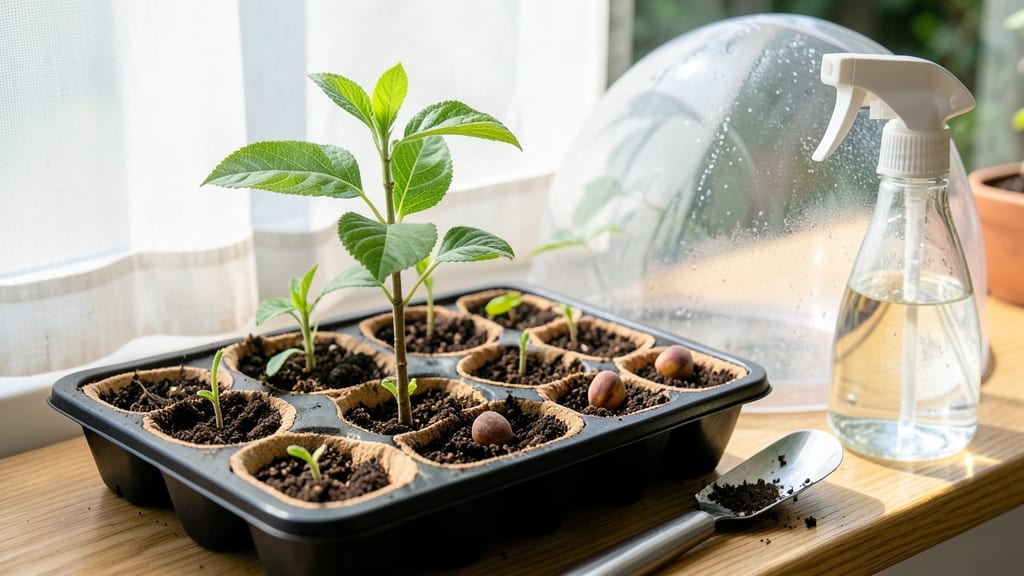
Peach tree seed germination starts with a damp paper towel and patience—this simple method gives you a head start on growing a tree that could fruit in 5-7 years. I’ve tried the cold-stratification trick, but the paper-towel method works faster and feels more foolproof, especially for beginners. The key is keeping those seeds consistently moist without drowning them, which is where most people mess up. You’ll need just three things: fresh peach pits (not store-bought), a damp paper towel, and a sealed plastic bag. Place the pits between the towel layers, seal the bag, and store it in a warm spot (around 70°F) for about 4-6 weeks). Check weekly for sprouts—if the towel dries out, spritz it with water. This mimics the natural conditions seeds need to break dormancy. Once you see tiny roots, it’s time to plant in well-draining soil, about 1 inch deep. Keep the soil moist but not soggy, and place the pot in bright, indirect light. Within 2-4 weeks, you’ll have a seedling ready for transplanting—though remember, seed-grown peaches take longer to bear fruit than grafted trees. The real payoff comes when you see that first flush of leaves, knowing you grew it from a single pit. Just don’t expect perfect fruit right away—seed-grown trees need years to mature. But the satisfaction of nurturing a tree from scratch? That’s worth the wait.
📚 In This Guide
- What you need
- Instructions
- Tips and common mistakes
- Wrapping up and next steps
What you need
- ● Peach pit (seed): Fresh, plump pit from a ripe peach (avoid bruised or shriveled seeds). Quantity: 1-2 per attempt.
- ● Well-draining potting mix: A blend of 50% peat moss or coco coir and 50% perlite or coarse sand (sterilized). Quantity: 1 small pot (4-6 inches) or seed tray.
- ○ Small pot or seed tray: With drainage holes (4-6 inches deep). Optional: Clear plastic dome or humidity tray for warmth.
- ● Spray bottle: For gentle watering (avoid over-saturating).
- ● Plastic wrap or humidity dome: To retain moisture during germination.
- ○ Heat mat (optional but helpful): Set to 70–80°F (21–27°C) for faster sprouting.
- ● Fertilizer (post-germination): Balanced 10-10-10 or diluted fish emulsion (once leaves appear).
- ● Sterilized scissors or knife: For carefully cracking the pit (if needed).
- ○ Paper towels: Dampened for pre-soaking the pit (optional but speeds up germination).
- ● Sunlight or grow lights: Bright, indirect light (6+ hours/day after sprouting).
- ● Patience & consistency: Germination can take 4–12 weeks—stay diligent with moisture checks!
Step-by-step guide to germinating peach tree seeds
Here's how I've learned to coax peach tree seeds into sprouting with consistent moisture control.
Select and Prepare the Seeds
Choose fresh, plump peach pits that feel heavy for their size—these hold the best germination potential. Remove the pits from ripe peaches and let them dry at room temperature for 2-3 days. This prevents mold while keeping the seed viable. Crack open each pit carefully with a nutcracker or hammer, then extract the single seed inside.
Peach seeds have a hard outer shell that slows water absorption, so I soak them in lukewarm water for 24 hours before planting. This softens the shell and kickstarts the germination process. Change the water halfway through to prevent bacterial buildup. You'll know they're ready when the shell begins to crack slightly—this means the seed is absorbing moisture and preparing to sprout.
Create a Moisture-Retentive Planting Medium
Fill a small container with a mix of 50% perlite and 50% peat moss—this combination drains well but holds enough moisture for early root development. Moisten the mix until it feels like a damp sponge, not dripping wet. I press the soil lightly into the container to eliminate air pockets, then make a small indentation about ½ inch deep for each seed.
Place one seed in each indentation, covering it with just enough soil to hold it in place. Don't bury it too deep—peach seeds need light to trigger germination. Gently pat the soil around the seed to ensure good contact. The key here is keeping the medium consistently moist without waterlogging, which can rot the seeds before they sprout.
Maintain Ideal Moisture and Warmth
Cover the container with clear plastic wrap to create a greenhouse effect, trapping warmth and humidity. Place it in a warm spot, ideally between 70-80°F, like near a sunny window or on top of a refrigerator. Check the soil daily—it should feel damp but not soggy. If the surface dries out, mist it lightly with water; if it feels too wet, uncover for 30 minutes to let excess moisture evaporate.
Germination can take anywhere from 2-6 weeks, depending on the seed's freshness and your growing conditions. You'll know it's working when tiny white roots appear first, followed by a small sprout breaking through the soil. This is the moment you've been waiting for—patience pays off here, as rushing the process can lead to weak seedlings.
Transplant Seedlings for Continued Growth
Once the seedlings reach about 2-3 inches tall and develop their first true leaves, it's time to transplant them into individual pots. Use a well-draining potting mix and a container with drainage holes to prevent root rot. Gently remove the seedling from its original container, taking care not to damage the delicate roots, and plant it at the same depth it was growing before.
Place the pots in bright, indirect light for the first week to help the seedlings adjust. Gradually introduce them to more sunlight over the next few weeks, as peach trees need plenty of light to grow strong. Keep the soil consistently moist but not waterlogged, and avoid fertilizing until the seedlings are well-established—typically after 4-6 weeks of growth. This careful transition ensures your young peach trees start their lives with confidence.
Tips & tricks for moisture-controlled peach tree germination
These simple strategies will help you navigate the delicate balance of moisture and warmth to get your peach tree seeds sprouting reliably.
Seed Selection: When choosing peach pits, look for ones that feel heavy for their size—this indicates a fully developed seed inside. I learned this the hard way after struggling with lightweight pits that never sprouted. Also, avoid pits from store-bought peaches that may have been treated with preservatives, which can inhibit germination.
Soaking Technique: The 24-hour soak is crucial for breaking down the hard seed coat. I recommend using lukewarm water (around 70°F) rather than hot water, which can damage the delicate seed. Change the water halfway through to prevent bacterial growth—this simple step prevents that foul smell that can discourage even the most patient gardener.
Medium Consistency: The 50/50 perlite to peat moss mix is perfect for maintaining that damp-sponge texture. To test consistency, squeeze a handful—it should hold together but not drip water. If it feels too dry, add a spray of water; if too wet, mix in a bit more perlite. This balance is what prevents those dreaded mold issues that can kill seeds before they sprout.
Transplant Timing: Wait until seedlings reach 2-3 inches with true leaves before transplanting—this gives them enough energy reserves to handle the stress. I've found that seedlings transplanted too early often fail to establish properly. When moving them, keep the soil ball intact to minimize root disturbance, which helps them adjust more quickly to their new home.
Pro Tips for Peach Tree Seed Germination
- These simple strategies will help you navigate the delicate balance of moisture and warmth to get your peach tree seeds sprouting reliably.
- Seed Selection: When choosing peach pits, look for ones that feel heavy for their size—this indicates a fully developed seed inside.
- Soaking Technique: The 24-hour soak is crucial for breaking down the hard seed coat.
Frequently asked questions
Got questions about growing peach trees from seeds? You’re not alone! Here are some of the most common queries—and their straightforward answers—to help you navigate the process with confidence.
How long does it take for peach tree seeds to germinate?
Peach seeds can take anywhere from 2 weeks to 3 months to sprout, depending on moisture, temperature, and seed viability. Most seeds germinate within 4–8 weeks if kept consistently moist (not soggy) and in a warm (70–85°F) environment. Patience is key—some seeds may surprise you by sprouting faster!
Can I speed up germination by cold-stratifying the seeds?
Yes! Cold-stratification mimics winter conditions and boosts germination rates for peach seeds. After scarifying the seed (see our guide), place it in a damp paper towel, seal it in a plastic bag, and refrigerate for 4–8 weeks. This tricks the seed into thinking it’s time to grow, often resulting in faster and more reliable sprouts.
Will a peach tree grown from seed taste like the parent fruit?
Probably not! Seed-grown peach trees are unpredictable—they may produce fruit with different flavors, sizes, or even colors compared to the parent tree. If you want a true-to-type tree, consider grafting or buying a nursery-grown sapling. For fun (or experimentation), seed germination is a rewarding challenge!
What do I do if my peach seed rots or molds?
If your seed turns mushy, smells foul, or develops fuzzy mold, it’s likely overwatered or infected. Remove it immediately to prevent spreading. To avoid this, use sterilized potting mix, ensure good drainage, and water only when the top inch of soil feels dry. A sprinkle of cinnamon or hydrogen peroxide (1:10 ratio) can also help prevent mold.
Can I grow a peach tree from store-bought peach pits?
Store-bought peach pits work fine, but avoid pits from hybrid or treated fruits (like those sprayed with fungicides). Rinse the pit thoroughly, remove the flesh, and follow the scarification and stratification steps. Just know that commercial peaches are often bred for shelf life, not seed viability—so germination rates may vary.
Wrapping up and next steps
Growing a peach tree from seed is a rewarding journey that blends patience with the joy of nurturing life! 🌱 By mastering moisture control and providing the right conditions, you’ve unlocked the potential for a thriving young sapling.
Whether you’re a seasoned gardener or just starting out, this process is a testament to nature’s resilience—and yours!
Now that you’re equipped with the know-how, take the next step: plant your germinated seed in a pot with well-draining soil and keep it in a sunny spot. With time, care, and a little luck, you could be harvesting homegrown peaches in just a few years! 🍑