
Propagation
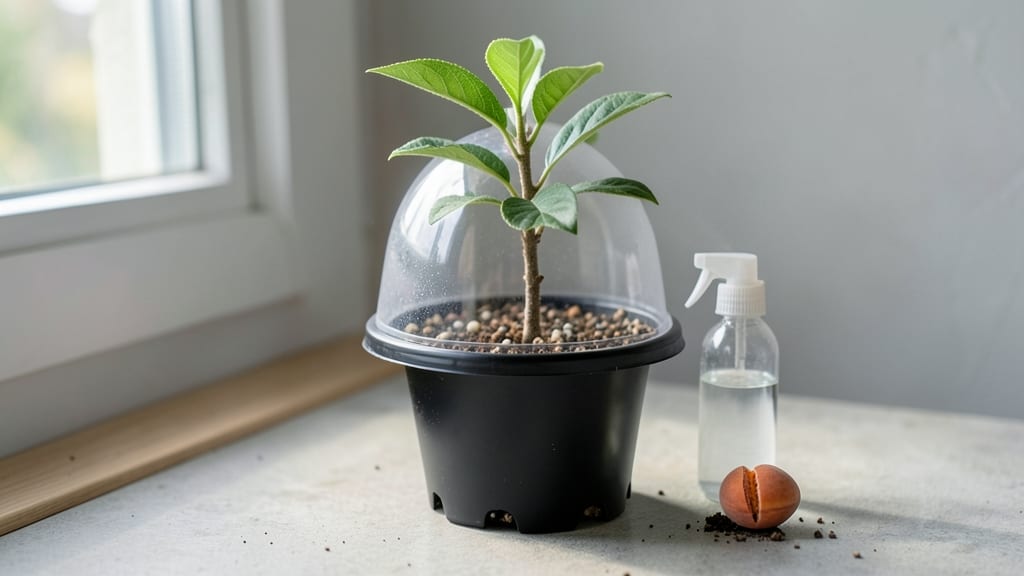
Growing a peach tree from seed indoors starts with a single pit and six months of careful nurturing. 🌱 The journey teaches patience and fundamental horticulture—even if fruiting takes years. My first attempt produced a scraggly seedling that eventually thrived outdoors, proving that persistence pays off.
You’ll need a fresh peach pit (not store-bought), a small container with drainage, and a warm spot near bright light. Germination can take 4-8 weeks, so don’t rush it—consistent moisture and warmth are key. The real reward comes when true leaves appear, signaling your seedling’s first real growth spurt.
By month 6, you’ll have a sturdy young tree ready for transplanting. It won’t bear fruit indoors, but the skills you learn—light management, pruning, and soil care—will set you up for success with future fruit trees. The best part?
Watching roots explore the soil and leaves unfurl for the first time.
Indoor challenges like humidity or weak stems are normal—just adjust watering and light as needed. Once your seedling hits 12 inches tall, it’s time to harden it off before moving outdoors. This process builds confidence for future gardening adventures, whether you’re growing from seed or transplanting store-bought trees.
📚 In This Guide
- What you need
- Instructions
- Tips and common mistakes
- Wrapping up and next steps
What you need
- ● Peach pit: 1 fresh, organic peach pit (avoid store-bought pits treated with fungicides).
- ● Paper towel or coffee filter: 1 sheet (for stratification).
- ● Plastic bag or container: 1 small, sealable (to create humidity).
- ● Spray bottle: 1 (with water for misting).
- ● Small pot: 1 (3–4 inches in diameter) with drainage holes.
- ● Well-draining potting mix: 1 bag (sterile, seed-starting mix works best).
- ○ Heat mat (optional but helpful): 1 (to maintain warmth, ~70–75°F).
- ● Grow lights or sunny windowsill: Access to indirect light (6+ hours/day).
- ● Fertilizer: 1 mild, balanced liquid fertilizer (e.g., 10-10-10, diluted to half-strength).
- ● Humidity dome: 1 (to retain moisture during germination).
- ● Thermometer: 1 (to monitor soil/water temps).
- ● Pruning shears: 1 (for future shaping).
- ● Support stake: 1 (once the seedling grows taller).
Step-by-Step instructions for growing a peach tree from seed indoors
Here's how to turn a single peach pit into a thriving seedling—it's slower than buying a tree, but the reward is pure satisfaction.
🌱 Step 1: Extract and Prepare the Seed
Start with a fresh, firm peach—avoid soft or fermenting fruit. Cut the peach open and remove the pit, then rinse it thoroughly under cool water to remove any fruit residue. Let it dry completely for 24 hours before handling. The key here is patience: peach seeds need a stratification period to break dormancy, mimicking winter's chilling effect.
Place the dried pit in a small plastic bag with a damp paper towel. Seal it loosely and refrigerate for 8-12 weeks at 34-40°F. Check weekly—if the towel dries out, mist it lightly. You'll know stratification worked when the seed starts to sprout a tiny root or shoot. This step is critical; skipping it means waiting months (or never) for germination.
💧 Step 2: Plant the Stratified Seed
Fill a 4-inch diameter pot with sterile seed-starting mix (never garden soil—it’s too dense). Moisten the mix until it’s damp but not soggy, then make a ½-inch deep hole in the center. Gently place the stratified seed pointy end up—this ensures the root grows downward. Cover lightly with mix, leaving just the top visible.
Water gently until moisture seeps from the drainage hole. Place the pot in a warm, bright spot (like a sunny windowsill) but avoid direct sunlight for the first week. Keep the soil consistently moist—not wet, not dry—by checking the top inch daily. You’ll see the first true leaves emerge in 4-6 weeks, signaling the seedling is ready for its next phase.
☀️ Step 3: Provide Light and Care for Early Growth
Once the seedling has 2-3 sets of true leaves, move it to a south-facing window or under a grow light for 12-14 hours daily. Peach trees need strong light to prevent leggy growth. If leaves look pale or stems stretch toward the light, your seedling needs more intensity. A full-spectrum LED bulb 4 inches above the plant works well.
Water when the top inch of soil feels dry, using room-temperature water. Avoid wetting the leaves to prevent fungal diseases. Fertilize lightly with a balanced 10-10-10 formula (½ teaspoon per gallon of water) every 4-6 weeks once the seedling has 4-5 leaves. Over-fertilizing now will burn tender roots—go slow.
🪴 Step 4: Transplant and Harden Off for Outdoors
After 3-4 months, when the seedling reaches 12-18 inches tall, it’s time to transplant. Choose a 6-inch pot with drainage and fill it with well-draining potting mix. Dig a hole twice the width of the root ball, place the seedling in, and firm soil around it. Water deeply to settle the roots and reduce shock.
Begin hardening off 2 weeks before your last frost date. Place the seedling outside in a sheltered, shaded spot for 1 hour the first day, gradually increasing time and sun exposure over 10-14 days. Watch for wilting—if leaves droop, it’s not ready. Once it tolerates full sun for 6+ hours, it’s ready for the garden. Plant in well-draining soil in a location with full sun and protection from strong winds.
⏰ Step 5: Long-Term Care for Fruit Production
Peach trees grown from seed may take 5-7 years to bear fruit (vs. 2-3 years for grafted trees), but the process is rewarding. Prune in late winter to remove dead wood and shape the tree, focusing on open branching for airflow. Apply 2-3 inches of mulch around the base to retain moisture and regulate soil temperature.
Fertilize annually in early spring with a fruit-tree-specific formula (high in nitrogen the first year, then balanced). Watch for peach leaf curl—a fungal disease that causes puckered leaves. Spray with copper fungicide in early spring before buds swell to prevent it. Patience is key: your tree’s first blossoms might not fruit, but each year brings it closer to that sweet reward.
Tips & tricks for growing a peach tree from seed indoors
These simple tricks will help you avoid common pitfalls and maximize your seedling's success.
Stratification Success: Don't rush the 8-12 week cold treatment—this mimics winter's natural chilling period that peach seeds need to break dormancy. I've seen seeds sprout after just 6 weeks in the fridge, but these often produce weak seedlings. Stick with the full 8-12 weeks for the strongest start. The 34-40°F temperature is crucial—any warmer and the seed won't get the proper dormancy break.
Planting Position: When planting your stratified seed in Step 2, make sure the pointy end is facing upward—this is where the root will emerge. I've accidentally planted seeds upside down before, which resulted in no germination. The seed should sit just below the soil surface, with only the top visible. This positioning gives roots room to grow downward while allowing the shoot to emerge easily.
Lighting Setup: For Step 3, if you don't have a south-facing window, a full-spectrum LED grow light is your best bet. I recommend placing it 4 inches above the plant for 12-14 hours daily—this prevents leggy growth that happens when plants stretch toward weak light. If using natural light, rotate the pot daily so all sides get equal exposure, which helps prevent the seedling from growing crooked.
Hardening Off: The 2-week hardening off period in Step 4 is where many seedlings fail. Start with just 1 hour of outdoor exposure the first day, then gradually increase time and sun exposure. I've seen seedlings wilt dramatically when moved outside too quickly—this is your plant's way of saying "I'm not ready yet." Watch for wilting closely, as this is your only warning sign that you're moving too fast.
Pro Tips for Grow A Peach Tree From A Seed Indoors
- These simple tricks will help you avoid common pitfalls and maximize your seedling's success.
- Stratification Success: Don't rush the 8-12 week cold treatment—this mimics winter's natural chilling period that peach seeds need to break dormancy.
- Planting Position: When planting your stratified seed in Step 2, make sure the pointy end is facing upward—this is where the root will emerge.
Frequently asked questions
How long does it take for a peach seed to sprout indoors?
With proper warmth (70–80°F) and moisture, your peach seed should sprout in 2–4 weeks. Some seeds may take longer—up to 6 weeks—so stay patient! Keep the soil consistently damp (not soggy) and avoid moving the pot to prevent stress.
Will a peach tree grown from seed produce fruit like the parent tree?
Probably not! Seed-grown trees are unpredictable—fruit may differ in size, flavor, or even ripening time. For reliable fruit, graft a known variety onto your seedling later. But the fun of growing from seed is the surprise!
Can I speed up germination by soaking the seed first?
Yes! Soak the seed in warm water for 24 hours before planting to soften the hard outer shell. This can cut germination time by a week or more. Just avoid over-soaking, or the seed may rot. Drain well before planting.
What’s the best temperature for growing a peach seed indoors?
Peach seeds thrive in 70–80°F (21–27°C) day and night. Use a seedling heat mat if your home runs cooler. Avoid drafts or sudden temperature drops, which can stall growth. A sunny windowsill or grow light helps too!
What if my seedling grows leggy or weak?
Leggy seedlings need more light! Move it closer to a bright window or use a grow light (12–16 hours/day). If the stem is too weak, pinch it back gently to encourage bushier growth. Overwatering or poor drainage can also weaken seedlings—let the top inch of soil dry out between waterings.
Wrapping up and next steps
Growing a peach tree from seed indoors is a rewarding journey that blends patience, care, and a touch of magic—and yes, those sweet, juicy peaches are worth every step! 🌱 By following these guidelines, you’ve given your seedling the best chance to thrive, from its cozy start in a seed tray to its eventual transition outdoors.
Remember, even if your tree doesn’t bear fruit true to its parent, the process itself is a gift of nature’s resilience.
Now that you’re equipped with knowledge, take the next step: plant that seed today! Grab your supplies, create a sunny spot, and watch your little gardener grow.
Who knows? In a few years, you might just be the proud grower of the first peach from your very own tree. Happy planting! 🌟