
Propagation
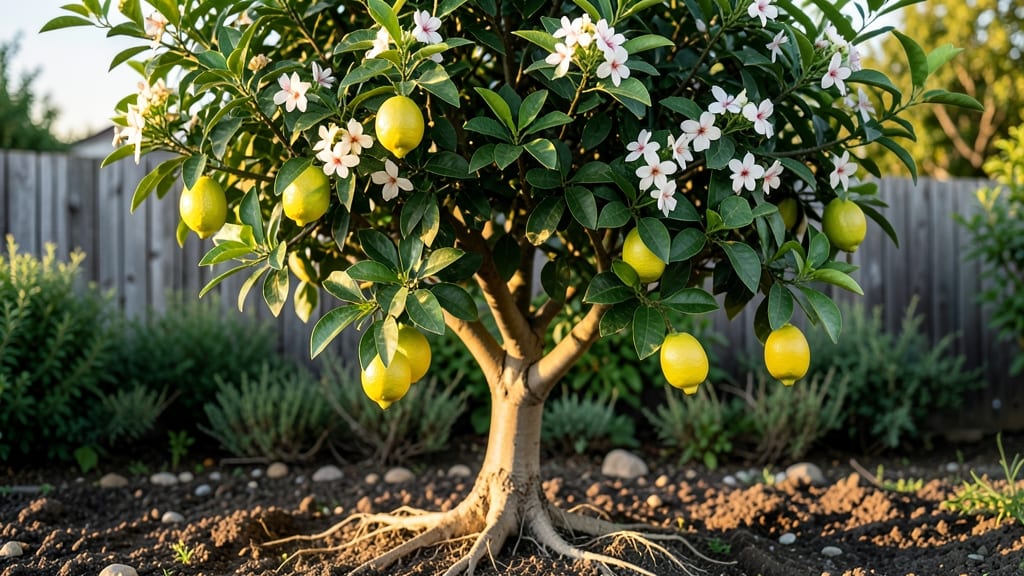
Growing a lemon tree from seed is the ultimate patience test—one that rewards you with juicy fruit you can't buy in stores. 🌱 I've watched mine go from a speck of seed to a bushy 5-foot tree, and the journey is half the fun.
The first step is finding a fresh seed (save one from your grocery store lemon) and giving it the warmth it craves to break dormancy.
Citrus trees are fussy about their environment, but they're not impossible. You'll need a sunny spot with at least 6-8 hours of light, well-draining soil (mix in sand or perlite), and a pot with drainage holes. The real secret?
Consistency—water when the top inch of soil dries, and feed with citrus fertilizer every 4-6 weeks once it's established. Patience is key here: seed-grown trees often take 3-5 years before they even think about fruiting.
What makes it all worthwhile is that first real lemon—sour, fragrant, and shockingly sweet when it ripens on your own tree. You'll learn to prune for shape, watch for pests like spider mites, and adjust care as seasons change.
The payoff isn't just the fruit, but the way your kitchen smells when you bring in a fresh harvest. Here's how to make it happen without giving up halfway.
Even if your tree takes years to fruit, the process teaches you more about plant care than a dozen quick-grow projects. Start small with a seedling, and let it grow into something you'll talk about for decades.
The best part? You'll never look at a grocery store lemon the same way again.
📚 In This Guide
- What you need
- Instructions
- Tips and common mistakes
- Wrapping up and next steps
What you need
- ● Lemon seeds: 2–3 fresh, organic seeds (preferably from a ripe, organic lemon). Pro tip: 💡 Rinse seeds thoroughly to remove pulp before planting!
- ● Seed-starting mix: 1 small pot (4–6 inches wide) filled with sterile, well-draining potting soil (avoid garden soil—it can harbor pests).
- ● Plastic or biodegradable pots: 2–3 small pots (3–4 inches wide) for seedling transplantation.
- ● Spray bottle: For gentle watering (avoid over-saturating seeds).
- ● Clear plastic wrap or humidity dome: To create a mini greenhouse effect.
- ● Grow lights or sunny windowsill: A spot with 6–8 hours of indirect sunlight daily (south-facing window or artificial grow lights).
- ● Fertilizer: A balanced, water-soluble fertilizer (e.g., 10-10-10 or 20-20-20) for young seedlings.
- ● Pruning shears: Small, sharp scissors for trimming (once the tree grows taller).
- ● Heating mat: Keeps soil warm (70–75°F) for faster germination.
- ● pH test kit: Ensures soil pH is 6.0–7.0 (lemons prefer slightly acidic soil).
- ● Mulch: Organic mulch (like straw) to retain moisture.
- ● Support stake: For taller trees to prevent bending.
- ● Citrus-specific fertilizer: High in nitrogen, phosphorus, and potassium (e.g., citrus micronutrients).
Step-by-step guide to growing a lemon tree from seed to fruit
Here's how to nurture a tiny seed into a thriving citrus tree with sweet, juicy lemons.
🌱 Step 1: Extract and Prepare the Seed
Start with a fresh, organic lemon—conventional store-bought fruit often has seeds treated to prevent germination. Cut the lemon in half, remove the seeds, and let them air-dry on a paper towel for 24 hours. This prevents mold and prepares them for planting.
After drying, place the seeds between damp paper towels in a sealed plastic bag. Store in a warm spot (70-75°F) and check daily. Within 7-14 days, you’ll see tiny roots and a sprout—this is your signal to plant. If seeds stay dry, mist them lightly with water and reseal the bag.
🪴 Step 2: Plant the Germinated Seed
Fill a 4-6 inch pot with well-draining potting mix (avoid garden soil—it’s too dense). Make a ½-inch deep hole and gently place the seed, root-side down, about ¼ inch below the surface. Cover lightly with soil and pat it down to remove air pockets.
Water gently until moisture reaches the bottom of the pot, but avoid soggy soil. Place the pot in a bright, indirect light spot (no direct sun yet). Keep the soil consistently moist—not soggy—by checking the top inch daily. A humidity dome helps, but remove it once the first true leaves appear (2-3 weeks after planting).
☀️ Step 3: Transition to Sunlight and Repot
When your seedling reaches 4-6 inches tall (usually 3-4 months in), it’s ready for stronger light. Move it to a south-facing window or under a grow light for 12-14 hours daily. You’ll notice leaves darken and stems thicken—signs of healthy growth.
Repot into a 6-8 inch container with fresh potting mix when roots fill the current pot. Lemon trees grow slowly, so wait until you see roots circling the bottom. After repotting, water deeply and place the tree in full sun (at least 6 hours daily). This encourages stronger stems and prepares it for future fruiting.
✂️ Step 4: Prune and Fertilize for Fruit Production
Once your tree reaches 12-18 inches tall, start pruning to shape it and encourage branching. Trim leggy stems just above a leaf node to redirect energy into new growth. Remove any dead or yellowing leaves immediately—they drain the tree’s resources.
Fertilize every 4-6 weeks with a citrus-specific fertilizer (high in nitrogen for growth, then switch to a balanced 10-10-10 mix for flowering). Water deeply once a week during dry spells, letting the top 2 inches of soil dry between waterings. Overwatering causes root rot, while underwatering stresses the tree—both can delay fruit.
🍋 Step 5: Pollinate and Care for Fruit Development
Lemon trees need cross-pollination to produce fruit. If you have only one tree, gently shake its branches daily to release pollen, or use a small paintbrush to transfer pollen from flower to flower. Flowers appear in spring (after 2-3 years)—look for white, fragrant blooms.
Once fruit forms, reduce nitrogen fertilizer to encourage fruiting over leafy growth. Thin overcrowded fruit to 3-4 lemons per cluster—this ensures larger, juicier harvests. Mature trees produce fruit in 3-5 years, but patience pays off with sweet, homegrown lemons. Protect young trees from frost and cold drafts, as citrus trees thrive in 60-85°F conditions.
Tips & tricks for perfect lemon tree growth
Took me years to figure out these citrus care secrets—here's how to avoid the pitfalls and grow a thriving lemon tree.
Seed Preparation: Don't rush the 24-hour drying step—this is your first line of defense against mold. I learned this the hard way after losing three batches to fuzzy green growth. Use a paper towel to blot excess moisture, then let seeds sit uncovered in a dry spot. If you're impatient, place them on a cooling rack over a paper towel to speed up drying while preventing mold.
Light Transition: The move from indirect to direct sunlight at 4-6 inches tall is critical. Start by placing your tree near a window where it gets morning sun and afternoon shade for a week before full sun exposure. Watch for leaves that look pale or crispy—these are signs it's getting too much sun too fast. A grow light on a timer can help bridge the gap if natural light isn't sufficient.
Root Check: When repotting into a 6-8 inch container, gently squeeze the sides of the current pot. If you feel resistance from roots circling the bottom, it's time to upgrade. Lemon trees hate being root-bound, so choose a pot just 2 inches larger in diameter than the current one. The extra space encourages stronger root growth that supports future fruiting.
Fertilizer Timing: The switch from nitrogen-heavy to balanced fertilizer is often misunderstood. After your tree reaches 12-18 inches, use the citrus-specific fertilizer for 3 applications, then switch to 10-10-10. This transition helps the tree focus on flowering rather than leafy growth. I mark my calendar 4 weeks after the last nitrogen-heavy feeding to make the switch—consistency is key.
Pro Tips for Lemon From Seed To Fruit
- Took me years to figure out these citrus care secrets—here's how to avoid the pitfalls and grow a thriving lemon tree.
- Seed Preparation: Don't rush the 24-hour drying step—this is your first line of defense against mold.
- Light Transition: The move from indirect to direct sunlight at 4-6 inches tall is critical.
Frequently asked questions
Growing lemons from seed is exciting but comes with questions! Here are answers to the most common ones to help you navigate your citrus journey with confidence.
How long does it take for a lemon seed to sprout?
A lemon seed typically sprouts within 10 to 21 days if kept in warm, moist conditions (around 70°F). Patience is key—some seeds may take longer, especially if the soil is too dry or cold. Keep the soil consistently damp (not soggy) and place the pot in a bright, indirect light spot to encourage faster germination.
When will my lemon tree produce fruit?
Don’t expect lemons right away! A seed-grown lemon tree usually takes 3 to 5 years to bear fruit, though some may take even longer. For faster results, consider grafting a lemon variety onto a compatible rootstock (like a Meyer lemon). Cold snaps, poor sunlight, or nutrient deficiencies can delay fruiting—keep your tree happy with proper care!
Can I grow a lemon tree indoors?
Yes, but with caveats! Lemon trees thrive indoors near a south-facing window (6+ hours of sunlight daily). Supplement with a grow light if natural light is limited. Watch for signs of stress like yellow leaves (often from overwatering or drafts). In winter, keep temps above 50°F—cold drafts can shock the tree. A sunny patio or greenhouse works too!
Why aren’t my lemon seeds germinating?
Common culprits include dry soil, low temperatures, or old seeds. Try these fixes:
- Soak seeds in warm water for 24 hours before planting.
- Use a heating mat (70–80°F) to speed up germination.
- Check seed viability—squeeze gently; a good seed will feel firm.
- Avoid overcrowding; give each seed 1–2 inches of space.
What’s the best soil mix for lemon seeds?
A well-draining, slightly acidic mix (pH 6.0–7.0) works best. Combine:
- 50% peat moss or coconut coir (for moisture retention).
- 30% perlite or sand (for drainage).
- 20% compost or worm castings (for nutrients).
Wrapping up and next steps
Growing a lemon tree from seed to fruit is a rewarding journey that blends patience, care, and a little bit of green-thumb magic! 🌱 From nurturing your tiny seedling to harvesting your first tart-sweet lemons, every step is a celebration of nature’s cycle.
Whether you’re a beginner or a seasoned gardener, this process reminds us that great things truly do take time—and the payoff is worth every drop of water and hour of sunlight.
Ready to take the next step? Start small:
- Share your lemon tree’s progress with fellow plant enthusiasts online or in local gardening groups.
- Experiment with grafting for faster, more reliable fruit production (once your seedling is sturdy!).
- Plan your next citrus adventure—maybe a lime or orange tree?