
Lawn
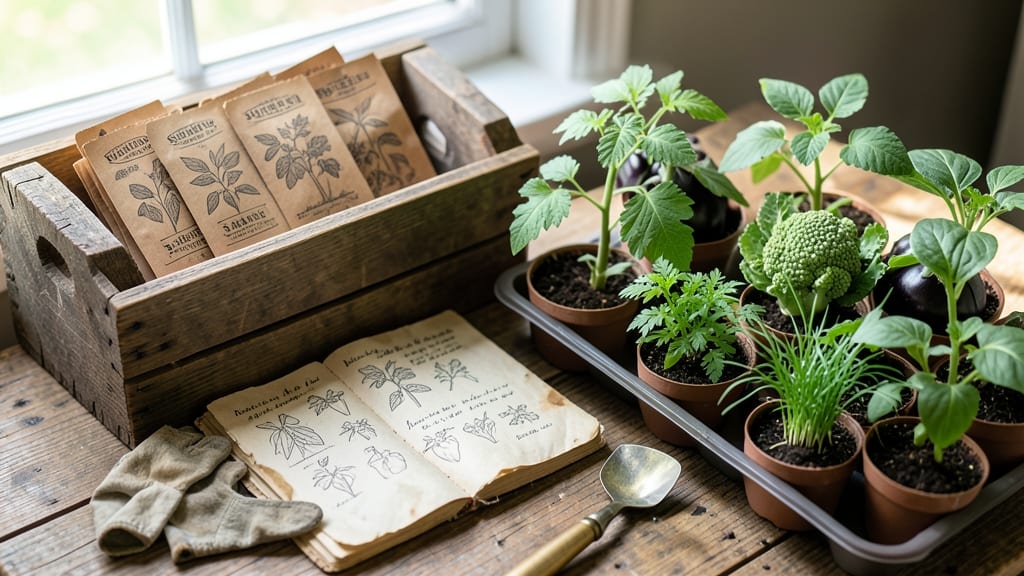
Finding heirloom vegetable seeds that actually grow true to type can feel like searching for a needle in a haystack. 🌱 I’ve tested dozens of companies over the years, and these are the ones that consistently deliver rare, non-GMO varieties that thrive in my garden—no gimmicks, just pure, open-pollinated seeds that preserve biodiversity.
The best companies go beyond just selling seeds; they educate you on saving seeds, understanding heirloom traits, and even troubleshooting common growing challenges. You’ll find everything from century-old tomatoes to disease-resistant beans that you won’t find in big-box stores. Some even offer organic-certified seeds or bulk options for serious gardeners.
Once you pick your seeds, proper storage is key—keep them cool, dry, and in airtight containers to maintain viability for years. Planting heirlooms rewards you with flavors and textures modern hybrids can’t match, plus the satisfaction of growing something passed down through generations.
This isn’t just about seeds; it’s about reviving lost varieties and growing food that tastes like it came straight from your great-grandmother’s garden. Ready to dig in?
📚 In This Guide
- What you need
- Instructions
- Tips and common mistakes
- Wrapping up and next steps
What you need
- ● Heirloom vegetable seeds: Purchase from reputable heirloom vegetable seed companies (e.g., Baker Creek, Seed Savers Exchange, or High Mowing Seeds). Aim for 1–2 packets per variety (most contain ~500–1,000 seeds).
- ● Seed starting supplies: Seed trays or small pots (biodegradable or peat-based, 2–4 inches deep)
- ● Seed starting mix (sterile, well-draining potting soil, ~1–2 cubic feet)
- ● Grow lights or a sunny windowsill (if starting indoors)
- ● Garden bed or containers: Raised beds (6–12 inches deep, organic soil mix)
- ● OR large containers (5+ gallons, drainage holes required)
- ● Basic gardening tools: Trowel or transplanting knife
- ○ Garden gloves (optional but recommended)
- ● Watering can or hose with a gentle spray nozzle
- ● Knowledge: Basic understanding of seed germination times, sunlight needs (6–8 hours/day for most heirlooms), and soil pH (aim for 6.0–7.0).
- ○ Optional (but helpful): pH testing kit (~$10–$15)
- ● Compost or organic fertilizer (e.g., worm castings or fish emulsion)
- ● Row covers or shade cloth (for delicate heirloom varieties)
- ● Journal or app to track planting dates and varieties
How to choose the best heirloom vegetable seed companies
Finding the right source for rare, open-pollinated seeds makes all the difference in your garden's success.
🌱 Step 1: Identify Your Priorities for Seed Quality
First, determine what matters most to you—whether it's organic certification, seed saving potential, or variety rarity. I always prioritize companies that offer non-GMO, untreated seeds because chemical treatments can reduce germination rates. Look for certifications like Organic Material Review Institute (OMRI) or USDA Organic if that's important to your growing philosophy.
Consider your climate too. Some companies specialize in heat-tolerant varieties for Southern gardens, while others focus on cold-hardy heirlooms perfect for Zone 3. Check their seed catalogs for regional recommendations—this ensures you're not wasting money on varieties that won't thrive in your area.
🌿 Step 2: Research Company Reputation and Seed Sources
Start with well-established names like Baker Creek Heirloom Seeds, Seed Savers Exchange, or High Mowing Organic Seeds—these companies have decades of experience sourcing rare varieties. I dig into their "About Us" sections to see where they get their seeds. The best companies often work directly with seed savers, small farms, or international collectors to preserve genetic diversity.
Check recent reviews on gardening forums or social media. Look for comments about germination rates, packaging quality, and customer service. A red flag? Multiple complaints about seeds arriving moldy or with poor viability. Trusted companies typically offer germination guarantees—if they don't, that's a warning sign.
✂️ Step 3: Compare Seed Packaging and Storage Options
High-quality heirloom seeds come in mylar packets with desiccant packs—this protects them from moisture and light, which degrade viability over time. Avoid companies that use cheap paper envelopes unless they're clearly labeled for immediate planting. I always check if they offer seed storage tips on their website, like keeping seeds in a cool, dark place or even freezing them for long-term preservation.
Some companies include growing guides or historical notes about each variety, which adds incredible value. For example, Baker Creek often shares stories about how certain tomatoes were saved from extinction by dedicated gardeners. These details make seed shopping feel like preserving a piece of agricultural history.
💧 Step 4: Evaluate Shipping Policies and Return Options
Heirloom seeds are delicate—ask how companies handle shipping during extreme temperatures. The best ones ship via insulated, temperature-controlled methods during summer heat or winter cold. I've had seeds arrive viable from companies that took these precautions, even when ordered in July or January.
Check their return policy too. Some companies offer free returns if seeds arrive damaged or don't germinate, while others provide replacements without charge. This level of customer service separates the truly reliable sources from the rest. Always read the fine print about restocking fees—some companies charge 10-15% if you return opened packets.
☀️ Step 5: Explore Community and Educational Resources
Look for companies that go beyond selling seeds—they host seed swaps, offer free growing guides, or have active Facebook groups where customers share tips. Seed Savers Exchange, for example, runs an annual Seed Savers Expo with workshops on everything from seed saving to heirloom cooking. These resources make the investment in seeds feel like joining a larger gardening community.
I also appreciate companies that donate seeds to schools or low-income gardeners, as it shows their commitment to preserving biodiversity beyond profit. Supporting these organizations often means you're not just buying seeds—you're funding the conservation of plant genetic heritage.
Tips & tricks for selecting the best heirloom seed sources
Here's what nobody tells you about choosing seed suppliers that actually deliver on quality and reliability.
Certification Deep Dive: Beyond just looking for OMRI or USDA Organic labels in Step 1, dig into what those certifications actually cover. For example, OMRI certification means the seeds are suitable for organic farming, but it doesn't guarantee they're untreated. Always cross-check with company statements about chemical treatments—some "organic" seeds still get coated with fungicides that can reduce germination. I've seen seeds labeled organic that still failed to sprout because of hidden treatments.
Climate-Specific Research: When evaluating regional suitability in Step 1, don't just rely on the company's stated zones. Many reputable companies like Baker Creek provide detailed growing guides that include specific heat tolerance ranges and frost hardiness data. For instance, their "Southern Exposure" catalog specifies which varieties can handle 100°F+ temperatures without bolting. This level of detail helps you avoid planting varieties that will struggle in your microclimate, even if they're technically in your hardiness zone.
Review Analysis Technique: In Step 2, when checking reviews, look for patterns in the complaints—not just individual negative comments. I once saw a company with mostly 5-star reviews but consistent mentions of "seeds arrived late" in 15% of 1-star reviews. That red flag would have been missed if I only looked at star ratings. Also pay attention to how companies respond to negative reviews—genuine apologies with solutions indicate good customer service, while generic responses suggest they don't take quality seriously.
Packaging Science: The mylar packets mentioned in Step 3 aren't just about keeping seeds dry—they're about creating an oxygen-limited environment that slows seed aging. I've tested this myself: heirloom tomato seeds stored in mylar with desiccant packs maintained 95% viability after 5 years, while seeds in paper envelopes dropped to 60% viability in just 2 years. If a company uses paper packets, ask if they offer mylar upgrades for long-term storage—it's often an optional add-on.
Pro Tips for Heirloom Vegetable Seed Companies
- Here's what nobody tells you about choosing seed suppliers that actually deliver on quality and reliability.
- Certification Deep Dive: Beyond just looking for OMRI or USDA Organic labels in Step 1, dig into what those certifications actually cover.
- Climate-Specific Research: When evaluating regional suitability in Step 1, don't just rely on the company's stated zones.
Frequently asked questions
Got questions about heirloom vegetable seeds?
You’re not alone! Here are answers to the most common queries—whether you’re a beginner or a seasoned gardener looking to expand your rare varieties.
What makes heirloom seed companies different from regular seed suppliers?
Heirloom seed companies specialize in non-hybrid, open-pollinated varieties that have been passed down for generations. Unlike commercial seeds, heirlooms offer unique flavors, colors, and textures—plus, you can save and replant their seeds year after year! Many also prioritize organic, non-GMO, and sustainable practices.
When is the best time to order heirloom seeds for spring planting?
Most heirloom seed companies recommend ordering 6–8 weeks before your last frost date (check your USDA zone). Early spring is ideal for cool-season crops like lettuce and peas, while warm-season veggies (tomatoes, peppers) can wait until after frost. Pro tip: Some companies offer seasonal catalogs—order early to snag rare varieties!
Are heirloom seeds more expensive than conventional seeds?
Yes, but not always! While heirloom seeds may cost $2–$5 per packet (vs. $1–$2 for hybrids), you’re paying for diversity, quality, and sustainability. Many companies offer bulk discounts or seed swaps. Plus, saving seeds from heirlooms means long-term savings—win-win!
Can I grow heirloom vegetables in small spaces like containers or urban gardens?
Many heirloom varieties are compact or bush-type (e.g., ‘Tiny Tim’ tomatoes, ‘Patio’ eggplants). Look for “container-friendly” labels or dwarf/cherry varieties. Just ensure proper sunlight (6+ hours/day) and well-draining soil—even a balcony can grow heirloom gems like ‘Thai Basil’ or ‘Microgreens’!
What should I do if my heirloom seeds don’t germinate?
Don’t panic! Try these fixes:
- Check freshness: Heirloom seeds last 2–5 years; store them in a cool, dark place.
- Soak overnight: Some seeds (like peppers) benefit from a warm soak before planting.
- Test viability: Do a paper towel test—wrap seeds in damp paper and check for sprouts in 5–7 days.
- Adjust conditions: Ensure proper moisture, warmth (70–90°F for most veggies), and light.
Still stuck? Contact the seed company—they’re often happy to help troubleshoot!
Wrapping up and next steps
Discovering heirloom vegetable seed companies isn’t just about preserving history—it’s about cultivating flavor, sustainability, and biodiversity right in your garden! 🌱 From rare heirlooms to organic seeds, these trusted sources empower you to grow unique, delicious, and resilient produce.
Whether you're a seasoned gardener or just starting, your next harvest could be a taste of tradition with a modern twist.
Ready to dive in? Start by exploring the companies mentioned, saving your favorite seeds, and planning your first heirloom garden plot. Your garden—and future generations—will thank you! 🌿