
Lawn
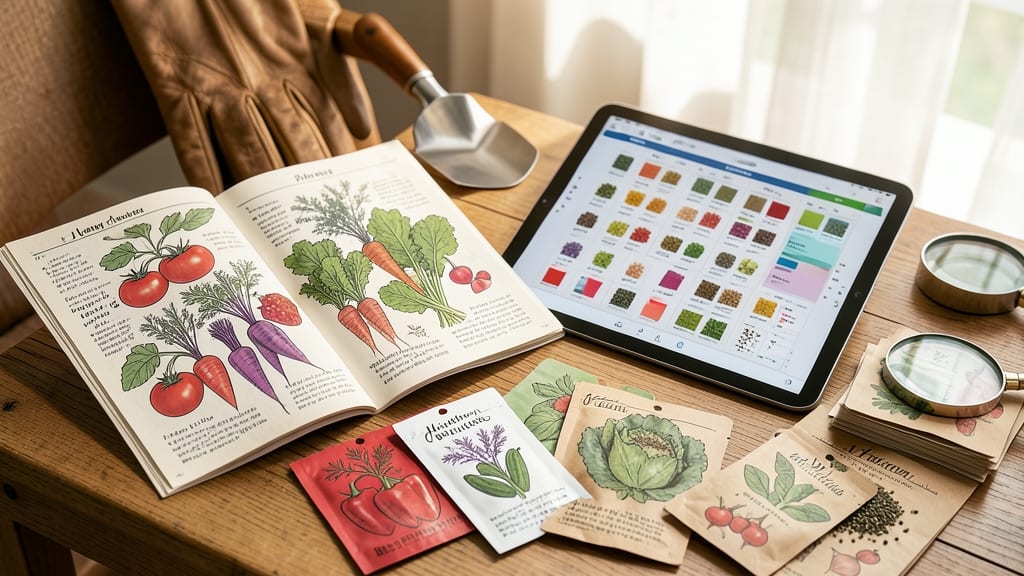
Vegetable seed catalogs are your secret weapon for a garden that thrives without the guesswork. 🌱 I’ve ordered from dozens, and the best ones don’t just list seeds—they give you exact planting dates for your zone, so you know when to start seeds indoors or drop them in the ground.
No more waiting too long or rushing before frost. The magic happens in the details: variety descriptions that tell you if a tomato is crack-resistant or a pepper is heat-tolerant, plus regional suitability notes that save you from buying seeds that won’t survive your climate.
A good catalog also includes companion planting tips, so you’re not just picking seeds—you’re planning a whole ecosystem. By the time you’re done, you’ll have a customized planting schedule that accounts for your first and last frost dates, soil prep time, and even moon phases if you’re into that.
The best part? You’ll avoid the disappointment of seeds that won’t germinate or plants that bolt because you planted them too early. Here’s how to pick the right one: look for detailed growing guides, seed viability ratings, and customer reviews that mention germination rates.
Skip the ones that just show pretty pictures—you want data, not fluff. Let’s get those seeds ordered!
📚 In This Guide
- What you need
- Instructions
- Tips and common mistakes
- Wrapping up and next steps
What you need
- ● Vegetable seed catalogs (1–3, depending on zone coverage—check for USDA Hardiness Zone maps!)
- ● Notebook or planner (for tracking planting dates, varieties, and notes)
- ● Highlighters or sticky notes (to mark key deadlines and seed preferences)
- ● Ruler or measuring tape (for spacing guidelines in your garden layout)
- ● Pencil and eraser (for adjustments—gardening is flexible!)
- ● Internet access or local library (for cross-referencing zone-specific data)
- ● Garden journal app (e.g., Gardenate or PlantNet for digital tracking)
- ● Seed starting supplies (if direct sowing isn’t your style—think trays, soil, and grow lights)
- ● Printed zone map (to visualize your area’s microclimates)
- ● Calendar with reminders (to avoid missing sowing windows!)
- ● Local gardening forums or Facebook groups (for peer advice on regional tweaks)
How to use vegetable seed catalogs for perfect planting timelines
Mastering seed catalogs turns guesswork into a foolproof planting schedule tailored to your climate.
🌱 Step 1: Identify Your USDA Hardiness Zone
First, locate your USDA Hardiness Zone using the interactive map on the USDA website or the zone finder tool in your seed catalog. I always double-check with my local cooperative extension office—they sometimes provide more precise microclimate data for my specific elevation or urban heat island effects.
Most catalogs list planting dates by zone, so knowing yours ensures you won’t plant frost-sensitive crops too early. Write your zone number on a sticky note and place it on your catalog’s cover—you’ll reference it constantly as you plan. Real talk: I once planted tomatoes in zone 6 when I actually lived in zone 5, and those seedlings fried in a late April frost.
☀️ Step 2: Decode Planting Date Ranges
Seed catalogs provide two critical date ranges: last frost date (when nighttime temperatures reliably stay above 32°F) and planting windows (typically 2-4 weeks before/after). I highlight these dates in yellow on my printed catalog pages—it’s the visual cue that tells me when to start seeds indoors or set transplants in the ground.
Notice how catalogs often list "direct sow" vs. "transplant" dates separately. Cool-season crops like peas or spinach can handle direct planting weeks before warm-season tomatoes. This is the moment that matters: aligning your seed packets with these windows prevents wasted effort on seedlings that’ll bolt or freeze.
⏰ Step 3: Plan Successive Plantings for Continuous Harvests
Most catalogs include a "succession planting" section—this is where home gardeners go from "one big harvest" to "fresh veggies all season." I use a simple system: for crops like lettuce or bush beans, I mark 2-3 planting dates spaced 3 weeks apart in my garden planner. This ensures you’re never overwhelmed with one crop maturing at once.
Here’s the thing—some catalogs even suggest "fall planting" dates for crops like kale or radishes. I always jot these down immediately, because forgetting them means missing out on a second harvest before winter sets in. Pro tip: Use a highlighter to flag these dates in your catalog’s margins.
🌿 Step 4: Cross-Reference with Your Local Climate
While catalogs provide solid baseline data, I always adjust for my local quirks. For example, my catalog says to plant tomatoes 2 weeks after last frost, but my microclimate often stays chilly longer. I consult my 10-year frost records (available from local weather stations) and add 1 extra week to my planting window.
Pay attention to notes about "short-season varieties" if you’re in a northern zone. These are specifically bred to mature before your first frost—your catalog will list both the variety name and its days to maturity. I circle these in red so I don’t accidentally plant long-season crops that’ll never produce before winter.
📝 Step 5: Create Your Custom Planting Calendar
Transfer all your highlighted dates to a master planting calendar (I use a large wall planner with monthly pages). Group crops by family—like all the Brassicaceae (broccoli, cabbage, kale)—so you can rotate planting locations and prevent soil-borne diseases. I also note my soil temperature requirements (most catalogs list this) next to each crop.
This is the system that saves me from spring panic: when I see my calendar, I know exactly which seeds to start indoors (6-8 weeks before last frost), which to direct sow (2-4 weeks before), and which to wait for (after last frost). No more last-minute scrambling to find space in the greenhouse!
Tips & tricks for mastering seed catalog planting timelines
These practical strategies will help you turn seed catalogs into a foolproof gardening roadmap—no more wasted seeds or missed harvests.
Zone Verification: Don't just rely on the catalog's zone map—cross-reference with your local cooperative extension office. They often provide microclimate adjustments for elevation or urban heat islands that seed catalogs don't account for. I've seen temperature variations of up to 5°F between my front yard and back patio alone. Mark your exact zone on your catalog cover with a bright sticky note so you never second-guess during planting season.
Visual Date Highlighting: Use color-coding to instantly identify critical dates in your catalog. I highlight last frost dates in yellow, succession planting windows in green, and fall planting dates in orange. This visual system prevents me from missing those narrow planting windows that make the difference between success and failure. Pro tip: Use highlighters with different opacity levels so you can layer information without obscuring text.
Succession Planting Strategy: When planning your 2-3 planting dates spaced 3 weeks apart, think about your family's eating habits. If you know you'll eat 2 heads of lettuce per week, calculate how many plants that requires per harvest and space your plantings accordingly. This is where most home gardeners go wrong—they plant all their lettuce at once and end up with a glut they can't use before it bolts.
Local Climate Adjustments: The catalog's "2 weeks after last frost" recommendation might not work for your microclimate. I keep a 10-year frost record from my local weather station and add 1-2 extra weeks to my planting window for frost-sensitive crops. For example, in my zone 6 garden, tomatoes planted exactly 2 weeks after last frost often get nipped by unexpected late frosts. That extra week buffer makes all the difference.
Pro Tips for Vegetable Seed Catalogs
- These practical strategies will help you turn seed catalogs into a foolproof gardening roadmap—no more wasted seeds or missed harvests.
- Zone Verification: Don't just rely on the catalog's zone map—cross-reference with your local cooperative extension office.
- Visual Date Highlighting: Use color-coding to instantly identify critical dates in your catalog.
Frequently asked questions
Got questions about navigating vegetable seed catalogs like a pro? You’re not alone! Here are some of the most common queries—and their straightforward answers—to help you plan with confidence.
How do I know which seeds are best for my planting zone?
Most seed catalogs list USDA Hardiness Zones alongside each variety. Check your zone (via the USDA Zone Finder) and prioritize seeds labeled for your zone or adjacent ones. Pro tip: Some heat-loving crops (like okra or sweet potatoes) thrive in zones with longer growing seasons—don’t hesitate to experiment!
When should I order seeds vs. wait for spring?
Order now for early access to rare varieties or bulk discounts! Seeds stay viable for years if stored properly (cool, dry, dark). For most veggies, order 4–6 weeks before your last frost date. Start slow-bolting crops (like lettuce or spinach) indoors 6–8 weeks before transplanting.
Are heirloom seeds worth the higher price?
Absolutely—if you value flavor, biodiversity, or saving seeds for next year! Heirlooms often outperform hybrids in taste (e.g., cherry tomatoes vs. store-bought). Hybrids may offer disease resistance or uniformity, but they’re non-reproducible. Budget tip: Start with 1–2 heirloom staples (like ‘Brandywine’ tomatoes) and mix in hybrids for reliability.
What if my seed catalog doesn’t list my favorite vegetable?
No worries! Cross-reference with Burpee, Baker Creek, or local seed swaps. Many catalogs specialize in niche crops (e.g., Seed Savers Exchange for rare heirlooms). Ask fellow gardeners in Facebook groups or Reddit’s r/Gardening for recommendations!
My seeds sprouted but died—what went wrong?
Common culprits: overwatering (root rot), poor drainage (trapped moisture), or temperature swings. Most seeds need warmth (70–85°F) to germinate. Use a heat mat for slow starters like peppers. Keep soil consistently moist (not soggy) and use a humidity dome until sprouts appear. Check catalog notes for specific needs!
Wrapping up and next steps
Exploring vegetable seed catalogs isn’t just about picking seeds—it’s about unlocking a season of effortless, zone-perfect gardening. 🌱 With tailored planting timelines and expert insights, you’re now armed to grow thriving veggies without the guesswork. Ready to turn your garden dreams into reality?
Your next step? Order your seeds today and dive into planning—your future harvest is waiting! 🌿