
Plants
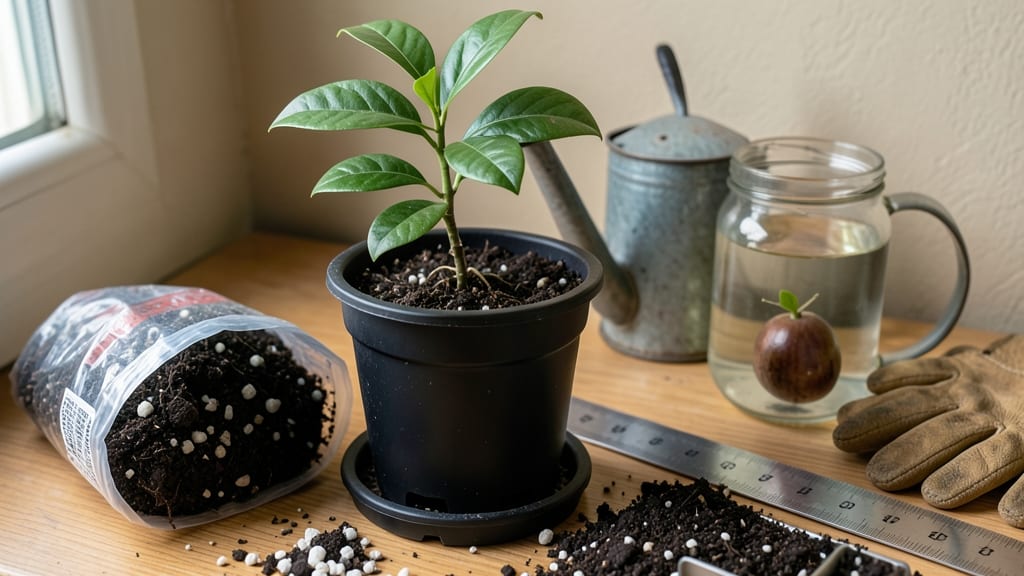
Planting your avocado seed in soil at the right time ensures strong roots and faster germination—wait too long, and you risk mold or weak sprouts.
Growing an avocado tree from seed is a rewarding project—but timing your planting wrong can mean weeks of waiting or even failure. The secret to success lies in soil temperature, and understanding these 3 critical triggers will give your seed the best chance to sprout strong and healthy.
If you’re starting indoors, you can plant anytime since temperature is controlled, but outdoors, aim for spring after frost risk passes in your zone. Warmer soil (around 65°F–85°F) signals roots to grow, while cold soil slows or stops germination entirely.
Below, I’ll break down the exact soil temp ranges to watch for, how to test your soil’s readiness, and the best steps to transition seedlings outdoors—without losing your hard work.
3 Key soil temperature triggers for planting avocado seeds
Avocado seeds thrive when planted in soil that hits the right temperature range, not just during a specific season. Unlike many plants, avocado seeds don’t follow a strict seasonal calendar—they respond directly to soil warmth.
This means your timing depends more on your local climate and how you test soil conditions than on a calendar date. The magic window for planting falls between 65°F and 85°F, where root development accelerates and germination becomes predictable.
Why does temperature matter so much? Avocado seeds contain dormant embryos that need warmth to break dormancy and begin growing roots. If the soil is too cold (<60°F), the seed may rot before sprouting.
If it’s too hot (>90°F), the seed can dry out or develop weak roots. Understanding these three temperature triggers will help you plant at the perfect moment, whether you're starting indoors or transitioning outdoors.
Soil Temperature Triggers for Planting Avocado Seeds
| Trigger | Soil Temp Range (°F) | What It Means | Best Action |
|---|---|---|---|
| Trigger 1: Root Activation | 65°F - 70°F | Seed begins breaking dormancy; roots start forming. | Plant seed 1 inch deep; keep soil moist. |
| Trigger 2: Optimal Growth | 70°F - 80°F | Fastest germination and root development. | Move to brighter light; monitor moisture. |
| Trigger 3: Transition Readiness | 80°F - 85°F | Seedling is strong enough for outdoor planting (if climate allows). | Hardening off; transplant after last frost. |
To test your soil temperature, use a soil thermometer (available at garden centers for under $10). Insert it 1-2 inches deep into the soil where you plan to plant. Check readings daily in the late afternoon when soil is warmest.
If your climate rarely reaches these temperatures, consider starting your seed indoors under a grow light to control warmth and humidity.
Adjusting your planting timing based on climate is crucial. In USDA Zones 9-11, soil may naturally hit 65°F as early as February, while in Zones 7-8, you might wait until April or May.
For colder zones (Zones 5-6), start seeds indoors in late winter and transition outdoors only after soil warms in late spring. Always prioritize soil temperature over calendar dates—your seed will thank you with faster, healthier growth.
If you’re planting outdoors, wait until nighttime temperatures stay above 50°F to avoid frost damage. Use black plastic mulch or a cold frame to warm the soil faster if needed. For indoor starts, maintain a consistent temperature of 75°F-80°F near your seedling to mimic ideal growing conditions.
A simple heat mat ($15-$25) placed under the pot can help regulate warmth if your home runs cooler.
Common mistakes to avoid include planting too early when soil is still cold or waiting too long and letting the seed dry out. Always soak the seed for 24 hours before planting to kickstart hydration, and use a well-draining potting mix (like cactus/succulent mix) to prevent rot.
Keep the soil consistently moist but not soggy—this balance is key to triggering those critical root signals.
Once your seedling reaches 2-3 inches tall with true leaves (not just the initial sprout leaves), it’s ready for the next phase. If you started indoors, begin hardening off by exposing it to outdoor conditions for 1-2 hours daily, gradually increasing time.
This prepares the seedling for the transition to outdoor soil temperatures, ensuring it doesn’t shock when planted permanently.
Remember, avocado seeds are notoriously slow to germinate—some take up to 12 weeks. Patience is key, but the right soil temperature can cut that time in half. By mastering these three triggers, you’ll give your seed the best shot at becoming a thriving tree. Happy planting! 🌱
How to prepare your avocado seed for planting at the right time
Before you rush to plant your avocado seed in soil, proper preparation is key to avoiding rot or delayed germination. Avocado seeds need 2-4 weeks of root development in water before they're ready for soil.
This pre-planting phase mimics natural conditions and strengthens the seedling's resilience. I've learned the hard way that skipping this step often leads to weak roots that struggle to adapt once transplanted.
Start by selecting a fresh avocado seed with a smooth, firm exterior—no cracks or soft spots. The seed should feel heavy for its size, indicating it's fully developed. Once you've chosen your seed, the next critical step is creating the perfect water germination setup.
This isn't just about floating the seed; it's about encouraging strong root growth that will support your future tree.
Here's when your avocado seed is truly ready for soil—follow these proven steps to ensure success:
Wait until 2-3 inches of white roots emerge from the bottom. These roots should be firm and healthy, not brown or mushy.
Prepare well-draining soil mix (cactus/succulent mix works well). The soil should be moist but not soggy at planting time.
Ensure your growing area maintains 65°F-85°F soil temperature. Use a soil thermometer if unsure—this is critical for root establishment.
Use a 4-6 inch pot with drainage holes. Fill it with your prepared mix, leaving 1 inch of space at the top.
Plant the seed 1 inch deep, with the root end down. Gently firm the soil around it to remove air pockets.
Water thoroughly until it drains from the bottom. Then water every 3-5 days to keep soil moist but not waterlogged.
After planting, place your container in a bright, indirect light location—avoid direct sunlight initially, as it can stress the young seedling. I've found that a south-facing window with sheer curtain provides perfect conditions.
The first true leaves should appear within 2-4 weeks if all conditions are met. These leaves will be larger and more defined than the initial sprouts.
Watch for these 3 readiness signs before moving your seedling outdoors: healthy green leaves, new growth appearing regularly, and roots growing through the drainage holes. These indicators show your avocado seedling is strong enough to handle transplant shock.
If you notice yellowing leaves or stunted growth, it's a sign to wait longer before planting in soil.
Remember, patience is key with avocado seeds. Rushing the process often leads to weak seedlings that struggle to thrive. By following these preparation steps, you'll give your avocado seed the best possible start—setting the stage for a healthy, productive tree in years to come. 🌱