
Plants
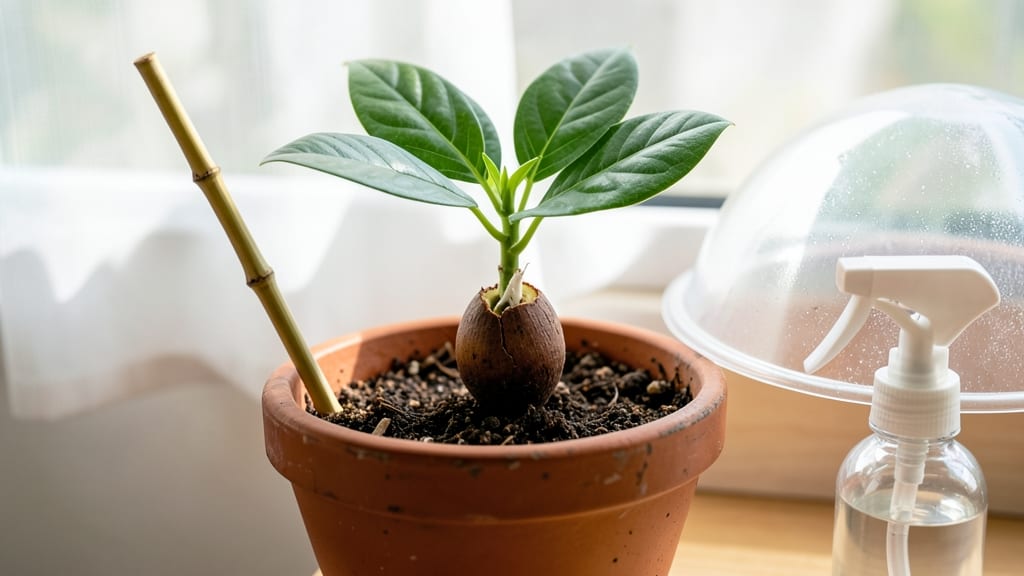
Planting an avocado seed in soil at the right time is the difference between a thriving 🥑 tree and a sad, wilted failure — and the clock starts ticking the moment you crack open that pit.
Did you know that planting an avocado seed at the wrong time can kill your chances of growing a thriving plant—before it even sprouts? Timing isn’t just about seasons; it’s about humidity, temperature, and even your seed’s readiness to thrive.
In General (Zone 6 default), the best window to plant your avocado seed outdoors is April through May, once the soil warms to at least 70°F. But if you’re indoors or in a cooler climate, you can bypass the seasonal rules entirely with a few tricks.
Below, I’ll walk you through the exact conditions that guarantee 80% germination success, from pre-soaking hacks to soil prep, plus how to adjust timing for indoor setups where the weather won’t hold you back.
Best time of year to plant avocado seeds for maximum germination success
Timing is everything when it comes to growing an avocado tree from seed. Unlike many plants, avocado seeds thrive best when planted during warm, humid conditions—typically between 70°F and 85°F.
If you plant too early or late, your seed may rot, dry out, or simply refuse to sprout. The key is understanding your climate zone and how it affects germination.
In tropical and subtropical regions (like USDA Zones 9-11), you can plant avocado seeds year-round outdoors as long as temperatures stay warm.
However, in cooler climates (like Zones 6-8), outdoor planting should wait until late spring or early summer—after the last frost—when soil temperatures consistently reach 65°F or higher.
Humidity also plays a critical role. Avocado seeds need moderate to high humidity (50-70%) to prevent the seed from drying out during germination. If your area is dry, consider using a humidity dome or placing your seedling in a bright, humid spot like a greenhouse or kitchen window.
If you live in a cooler climate, don’t despair—you can still grow an avocado tree indoors year-round. Start your seed in warm water (change daily) until roots reach 2-3 inches, then transfer it to a well-draining potting mix.
Place it near a south-facing window or under grow lights to mimic summer conditions.
Avoid planting avocado seeds in winter or early spring unless you’re in a tropical zone. Cold soil temperatures (below 60°F) slow down germination and increase the risk of fungal infections.
Even if your seed sprouts, it may struggle to develop strong roots in cooler conditions, leading to weak seedlings.
Pro tip: If you’re unsure about your local climate, monitor soil temperature with a thermometer. Avocado seeds need consistent warmth to germinate successfully. Aim for 70°F or higher for at least 4-6 weeks after planting to give your seed the best chance of thriving.
One of the biggest mistakes gardeners make is rushing the process. Patience is key—avocado seeds can take 2-8 weeks to germinate, depending on conditions. If you plant too early and the seed doesn’t sprout within 6-8 weeks, it may have failed rather than needing more time.
For those in USDA Zones 9-11, summer planting (June-August) is ideal because the natural humidity and warmth speed up germination. In contrast, gardeners in Zones 6-8 should wait until late spring (after May 15) to avoid frost damage and ensure the soil stays warm enough for root development.
Remember, avocado trees are tropical plants at heart. They crave warmth, humidity, and sunlight. By aligning your planting schedule with these needs, you’ll give your seed the best possible start—and set the stage for a healthy, thriving tree that could one day bear fruit. 🌱
Step-by-step guide: when your avocado seed is Really Ready for Soil
Planting an avocado seed too soon can lead to root rot, while waiting too long risks stunted growth. The key is watching for three critical signs—root length, moisture balance, and leaf development—that tell you your seedling is ready to transition from water to soil.
I’ve learned this the hard way with my first few attempts, so let’s skip the guesswork and focus on what truly matters.
First, your avocado seedling should have roots at least 2-3 inches long before planting. These roots need strength to support the plant once it’s in soil, not just floating in water.
Check by gently lifting the seed out of its glass or container—if the roots are tangled and thick, it’s time to act. Thin, sparse roots mean more time in water.
Next, pay attention to the moisture levels around your seed. If the water in your container has turned cloudy or smells foul, it’s a sign of bacterial growth that can harm your seedling.
Replace the water every 3-4 days to keep it fresh. The seedling itself should also have a small stem and 1-2 leaves—this indicates it’s photosynthesizing and ready for the next phase.
✅ Step-by-Step: When to Plant Your Avocado Seedling
- 1 Check root length: Lift the seed out of water. If roots are 2-3 inches long and thick, it’s ready. Thin roots mean wait longer.
- 2 Inspect the water: Replace cloudy or foul-smelling water. Fresh water ensures no bacterial growth is harming your seedling.
- 3 Look for leaves: Your seedling should have 1-2 healthy leaves. Yellow or wilted leaves mean it’s not ready yet.
- 4 Prepare the pot: Use a well-draining pot with holes and fill it with a mix of potting soil and perlite (60/40 ratio). Avoid garden soil—it’s too dense.
- 5 Plant the seedling: Bury the roots and half the stem in soil. The stem should be slightly above soil level to prevent rot.
- 6 Water lightly: Mist the soil (don’t soak it) and place the pot in bright, indirect light for the first week to reduce stress.
Once your seedling meets these criteria, it’s time to plant. But what if something goes wrong? If your seedling stops growing, develops black spots, or smells rotten, it’s likely suffering from root rot or bacterial infection.
In this case, trim the damaged roots, replant in fresh soil, and avoid overwatering. Patience is key—some seeds take 4-6 weeks to reach this stage, and that’s perfectly normal.
After planting, keep the soil moist but not soggy and place your pot in a spot with bright, indirect light for the first few weeks. Gradually introduce it to direct sunlight as it adjusts.
Remember, avocado trees thrive in warmth (70-85°F), so if you’re in a cooler climate, keep it indoors near a sunny window until spring. With the right timing and care, your seedling will grow into a healthy tree in no time! 🌱