
Companion Plants
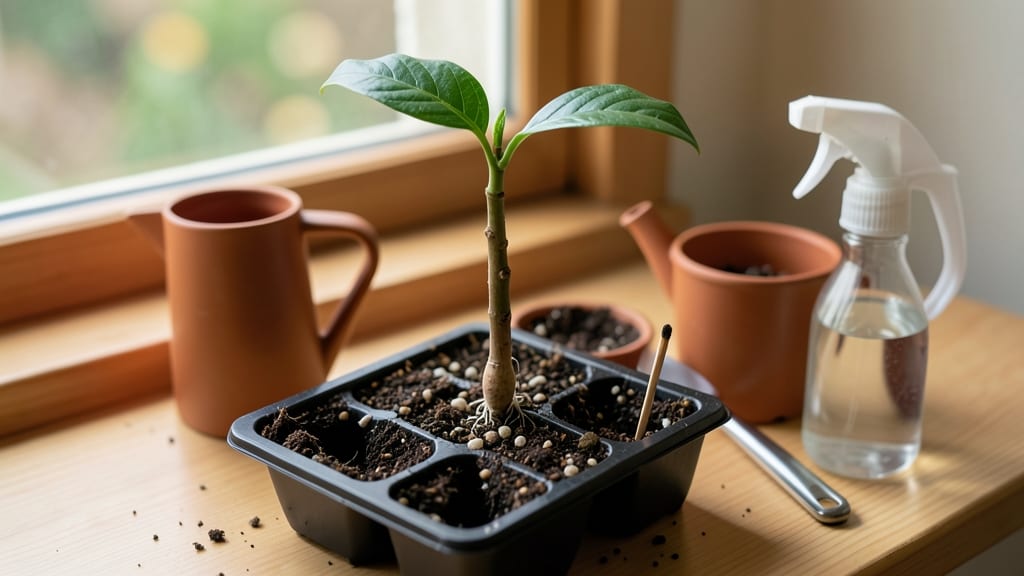
Planting your avocado seed in soil at the right time speeds up germination and gives your 🥑 Avocado Tree the best chance to thrive—whether you're in Zone 6 or a warmer climate.
Struggling to grow an avocado tree from seed? Planting at the wrong time can stall germination for months—or even kill your seed. The secret to success lies in understanding your climate zone and the ideal planting window to maximize growth speed and survival rates.
For most gardeners in Zone 6 (default), the best time to plant your avocado seed in soil is after the roots have sprouted—typically indoors year-round—but outdoor planting should wait until spring, after the last frost date (around April 15 in Zone 6).
In this guide, I’ll break down the exact timing for your zone, how to prep your seed for faster growth, and the common mistakes that slow down—or stop—germination entirely.
Best months to plant avocado seeds by USDA hardiness zones
Timing is everything when growing an avocado tree from seed. In USDA Zones 7-11, your planting window depends on soil temperatures and frost risk. Avocado seeds thrive in warm soil (65°F+) and struggle with cold snaps below 32°F.
Planting too early in cooler zones can kill your seedling before it even sprouts.
Most gardeners start avocado seeds indoors year-round to develop roots, then transition outdoors once soil warms. In warmer zones (Zones 9b-11), you can plant seeds directly in spring or fall when temperatures stay above 55°F.
Cooler zones (Zones 7-8) require waiting until after last frost—typically late April to June.
Here’s a zone-by-zone breakdown of ideal planting months, soil temperature thresholds, and germination timelines to help you plan:
If you’re in Zone 7 or 8, I recommend starting seeds indoors in February to develop roots, then transplanting outdoors after May 15 when soil temperatures exceed 65°F. This gives seedlings a head start before summer heat arrives.
For Zones 9b–11, you can plant seeds directly in soil as early as February or as late as November, but avoid peak summer months (June–August) when temperatures exceed 90°F. High heat can dry out soil too quickly, slowing germination.
Adjust your planting timeline if your area experiences unusual temperature swings. For example, if your Zone 8 area had an early frost in October, delay fall planting until November when nights stay above 50°F. Use a soil thermometer to confirm temperatures before planting.
Pro tip: In cooler zones, cover seedlings with frost cloth if nighttime temps drop below 45°F during the first 2 weeks after transplanting. This protects young plants while they establish roots.
Remember, avocado seeds can take 4–12 weeks to germinate, depending on your zone. Patience is key—don’t repot or disturb the seed until you see 2–3 inches of root growth and a green shoot emerging.
🌱
How to prep your avocado seed for faster germination before planting
Growing an avocado tree from seed is rewarding, but the key to success starts long before you plant it in soil. Proper seed preparation can cut germination time from months to weeks.
I’ve found that prepping your avocado pit with these steps dramatically improves survival rates. The process is simple but requires patience—your seedling’s future depends on these early stages.
First, clean your avocado pit thoroughly to remove any remaining fruit flesh. Use a paper towel to wipe it down, then let it dry for 1-2 days. This prevents mold and rot during the soaking phase.
I always rinse mine with cool water before drying to ensure no residue remains. A clean pit is a healthy pit!
Next, place your dried pit in a glass jar filled with water, leaving about 1 inch of pit exposed. Change the water every 2-3 days to prevent bacteria growth. I keep mine near a sunny window but avoid direct sunlight, which can overheat the water.
Roots typically appear in 2-6 weeks, depending on the seed’s health and temperature.
- 1 Clean the pit: Remove all fruit residue and let dry for 1-2 days.
- 2 Soak in water: Use a jar with 1 inch of pit exposed; change water every 2-3 days.
- 3 Wait for roots: Aim for 2-3 inch roots before transitioning to soil.
- 4 Transition to soil: Plant when roots are healthy and green, not rotting.
- 5 Use well-draining soil: Mix potting soil with perlite for optimal drainage.
Once your avocado pit develops 2-3 inch roots, it’s ready for soil. I recommend waiting until the roots are healthy and green, not brown or mushy. At this stage, the pit has absorbed enough moisture to survive the transition.
Plant it in a small pot with well-draining soil, burying about half of the pit to stabilize it.
After planting, keep the soil moist but not soggy. Place the pot in a bright, indirect light area for the first week to reduce stress. I’ve seen seedlings struggle when moved too quickly to full sun.
Gradually increase sunlight over 2-3 weeks to harden the plant. Patience here prevents shock and ensures strong early growth.
Remember, indoor seedlings can stay in pots for 1-2 years before transplanting outdoors. If you’re in Zones 9b-11, you can plant directly in the ground after the last frost.
For colder zones, wait until spring when soil temperatures stay above 60°F. The right timing ensures your young tree thrives from day one!