
Plants
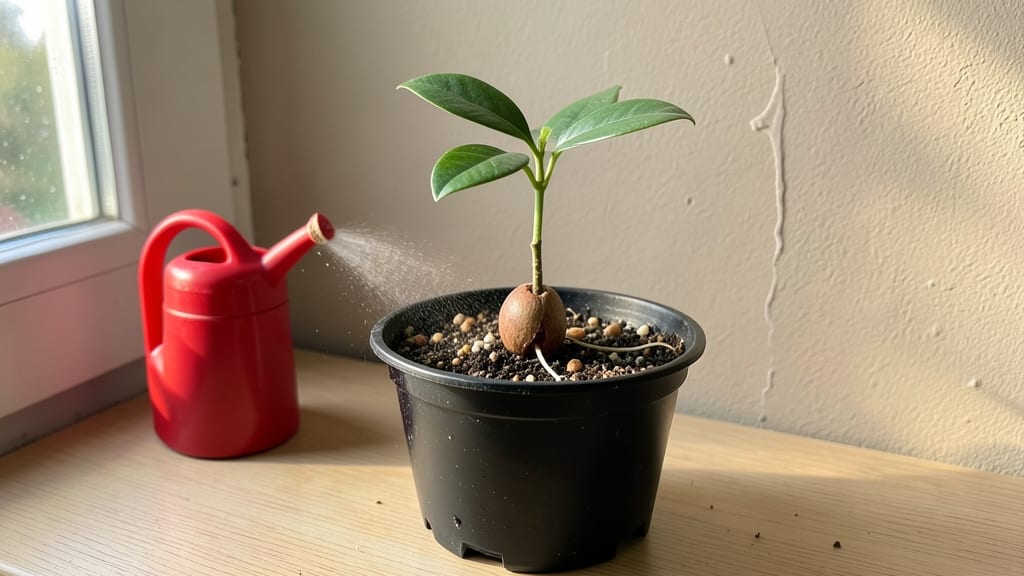
Planting an avocado seed in soil at the right time is the key to avoiding rot and jumpstarting growth—aim for spring when soil warms to 65–85°F.
Picture this: you’ve got a sprouted avocado seed, eager to grow, but you plant it too soon in cool soil, and within days, it turns to mush. Or you wait too long, and the seed dries out before it ever gets a chance.
Timing isn’t just about the calendar—it’s about soil temperature, humidity, and whether you’re starting indoors or outdoors.
For most gardeners in USDA Zone 6a, the sweet spot is March or April, after the last frost. But if you’re growing your 🥑 avocado tree indoors, you can start as early as February, giving it a head start before transitioning outside.
The goal? Warm soil, consistent moisture, and patience—because germination can take anywhere from 4 to 12 weeks.
Below, I’ll break down the exact steps for soil prep, the best containers to use, and how to spot when your seed is ready to move from water to soil—plus the 3 mistakes that kill avocado seeds before they even sprout.
Optimal planting timeline for avocado seeds: month-by-month guide
Timing is the secret weapon for growing an avocado tree from seed. Unlike mature plants, avocado seeds are extremely sensitive to cold soil and moisture imbalances. The ideal soil temperature for planting is 65–85°F—any cooler, and your seed risks fungal rot or dormancy.
Warmer climates (USDA Zones 9–11) can plant outdoors year-round, while cooler zones (Zones 7–8) must start indoors in late winter.
Your first step is understanding your local frost dates. In most of the U.S., avocado seeds should never touch below 50°F soil. For example, if your last frost is April 15 (like Zone 7), wait until mid-May to plant outdoors.
In frost-free zones, you can plant anytime—but spring (March–May) still offers the best balance of warmth and moisture for germination.
| Month | Indoor Planting (Zones 7–8) | Outdoor Planting (Zones 9–11) | Soil Temp (°F) | Key Notes |
|---|---|---|---|---|
| January | Start seeds indoors near a sunny window or under grow lights | Not recommended (too cold) | 60–65°F (use heat mat) | ⚠️ Risk: Overwatering causes rot |
| February | Continue indoor germination; transplant to soil if sprouts appear | Not recommended (unless Zone 10+) | 65–70°F (ideal for sprouting) | Tip: Use clear container to monitor root growth |
| March | Hardening off indoors; prepare outdoor site if Zone 9+ | Safe in frost-free zones (70°F+ soil) | 70–75°F | ✅ Best month: Highest germination success |
| April | Transplant outdoors in Zones 7–8 (after last frost) | Optimal for all zones (75–80°F soil) | 75–80°F | ⚠️ Warning: Avoid planting after May 15 in hot climates (drought risk) |
| May–June | Establish outdoor seedlings; mulch to retain moisture | Continue planting in warm zones (80–85°F soil) | 80–85°F | Tip: Water deeply 2x/week in containers |
| July–August | Focus on root development; avoid fertilizing | Plant late-season seeds in Zone 10+ | 75–80°F (avoid >90°F) | ⚠️ Risk: Heat stress if soil dries out |
| September–October | Indoor prep for next year; store seeds in peat moss | Not recommended (cooling temps) | Below 65°F (dormancy risk) | Tip: Keep seeds moist but not soggy |
Your hardiness zone dictates whether you start indoors or outdoors. In Zones 9–11, you can plant avocado seeds directly in the ground from March through June, as soil stays consistently warm.
However, in Zones 7–8, I recommend starting seeds indoors in January–February and transplanting outdoors after your last frost date—typically mid-April to early May.
Never rush planting! Premature outdoor planting in cool zones leads to root rot or stunted growth. Test soil temperature with a thermometer—if it’s below 65°F, delay planting.
In containers, use a heat mat to maintain warmth until roots establish. Pro tip: Place your container on a black plastic tray outdoors to absorb and retain heat.
Adjust your timeline based on container size. Smaller pots dry out faster, requiring more frequent watering and potentially delaying germination. Use a minimum 6-inch pot for single seeds or a 12-inch container for multiple seeds.
Larger containers also help regulate soil temperature, reducing the risk of temperature fluctuations that can shock young roots.
If you live in a hot climate (Zone 10+), avoid planting after May 15. The intense summer heat can cause soil to dry out too quickly, stressing the seed. Instead, opt for
Soil preparation secrets: the perfect mix for avocado seed germination
Once your avocado seed sprouts roots, the next critical step is soil preparation. Avocado seeds need a light, airy, and well-draining mix to prevent rot while encouraging strong root development.
The wrong soil can suffocate delicate roots or invite fungal growth—both deadly for young seedlings. Aim for a pH of 6.0–7.0 and a texture that mimics the seed’s natural tropical environment.
Start with a base of 50% coconut coir or peat moss to retain moisture without compacting. This mimics the seed’s humid, tropical origins while preventing waterlogging. Add 30% perlite or vermiculite for aeration, which is essential for oxygen flow to the roots.
The remaining 20% should be worm castings or compost to provide gentle, nutrient-rich support without overwhelming the seedling.
For containers, choose 6-inch deep pots with drainage holes—avocado roots despise soggy conditions. Terracotta pots work well for their breathability, but plastic containers with drainage can also work. Avoid garden soil entirely; its density and potential pathogens can stunt growth or kill your seedling before it starts.
DIY Soil Blend vs. Pre-Mixed Options
- ✅ Customizable for exact drainage
- ✅ Sterile (no pathogens)
- ✅ Cost-effective long-term
- ❌ Time-consuming to mix
- ❌ Risk of imbalance if not precise
- ✅ Convenient and ready-to-use
- ✅ Balanced nutrients for early growth
- ❌ Expensive for large batches
- ❌ May contain additives seedlings dislike
*Tip: Sterilize DIY mixes by baking at 200°F for 30 minutes to kill fungi.
Before planting, moisten the soil mix until it’s damp but not soggy—think of a wrung-out sponge. Gently place your rooted avocado seed in the center of the container, ensuring the root base sits just below the soil surface.
Press lightly around the seed to secure it without compacting the mix. Avoid burying the seed too deep; avocado seeds need light to trigger germination.
After planting, maintain consistent humidity with a clear plastic dome or by grouping pots together. Place the container in a warm spot (70–85°F)—a sunny windowsill or under grow lights.
Avoid cold drafts, which can shock the seedling and halt growth. Check moisture daily; let the top inch of soil dry slightly between waterings to prevent rot.
With the right soil mix, your avocado seedling will develop strong, fibrous roots in 4–6 weeks. Once you see new leaves unfurling, it’s time to transition to a larger pot and gradually introduce outdoor conditions—but that’s a story for another guide! 🌱