
Companion Plants
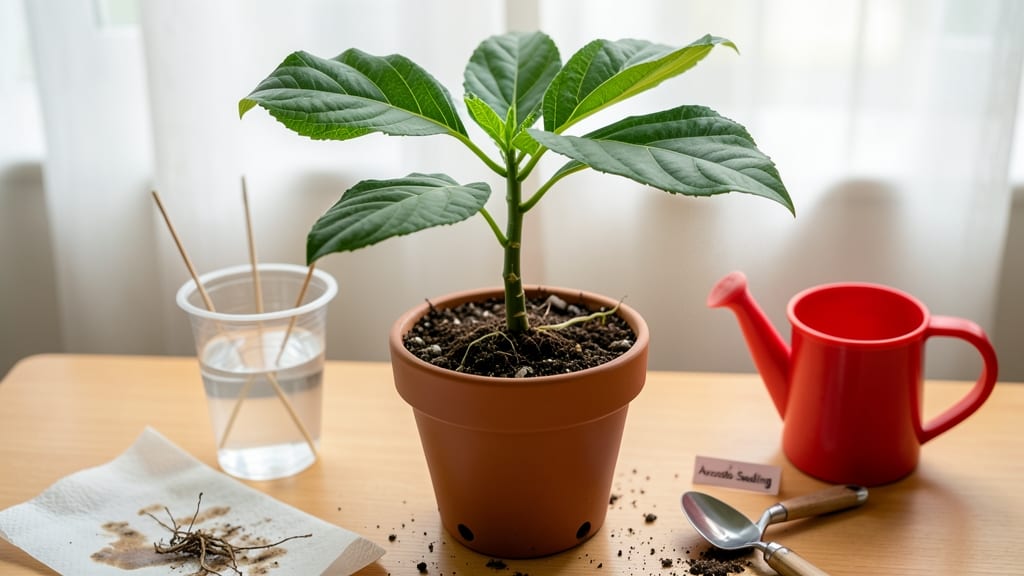
Planting your avocado seed in dirt at the right time is the difference between a thriving 🥑 sapling and a sad, stunted failure.
You’ve watched those roots grow in water for months, but rushing them into soil too soon can shock the delicate system you’ve nurtured. Too late, and your seedling might never catch up. The best window arrives when your local climate says "go"—and it’s not the same for everyone.
For most gardeners in Zone 6a, late spring to early summer (after the last frost) is your golden period. But if you’re in a warmer zone, you might plant as early as May.
Below, I’ll break down the exact months by region, plus how to tell when your seedling is truly ready to meet the dirt.
You’ll discover the best months for your zone, how to spot a seedling that’s ready for transplant, and the simple steps to avoid shocking those roots. Let’s get your avocado tree off to the strongest start possible.
Best months to plant avocado seeds by US hardiness zone (zone map included)
Timing is everything when planting your avocado seed in soil—especially since these tropical trees hate frost and need warmth to thrive. In USDA Zones 9-11, you can plant directly outdoors year-round, but Zones 7-8 require careful timing to avoid cold damage.
The key is waiting until soil temperatures stay above 60°F (15°C) consistently.
For gardeners in cooler climates (Zones 7-8), I recommend starting seeds indoors in late winter (February-March) and transitioning to soil only after the last frost date. In warmer zones (9-11), you can plant directly outdoors from March through September, with May-July being ideal for strongest growth.
Here’s a quick reference for your zone—bookmark this before you plant!
If you’re in Zones 9-11, aim for late spring (May-June) to give your seedling time to establish roots before hot summer months. The soil temperature is more critical than air temperature—use a soil thermometer to confirm it’s above 60°F (15°C) before planting.
For Zones 7-8, I can’t stress enough how important it is to avoid planting before May. Even a light frost can kill your young avocado tree, and root systems take time to develop.
If you’re unsure about your last frost date, check the USDA Plant Hardiness Zone Map or ask your local cooperative extension office.
Pro tip: If you’re in a transition zone (like Zone 8), consider planting in a protected microclimate, such as near a south-facing wall or under a cloche.
This can extend your growing season by 2-4 weeks and give your seedling a fighting chance against unexpected cold snaps.
Once your seedling has 4-6 true leaves and a thick stem (pencil-sized), it’s ready for soil. But don’t rush—if your zone is 7 or below, wait until nighttime temperatures stay above 55°F (13°C) to minimize stress. Patience here pays off with a healthier, stronger tree.
Remember, avocado trees are slow growers in their early years. Planting at the right time ensures your seedling focuses energy on root development instead of fighting environmental stress. With the right timing and care, you’ll be enjoying homegrown avocados in 5-10 years!
🌱
Signs your avocado seedling is ready for soil (and what to avoid)
Knowing when to move your avocado seedling from water to soil is crucial for its survival. A healthy root system and vigorous growth are your best indicators. Look for roots that are 2-3 inches long and a sturdy stem that can support itself.
These signs show your seedling has developed enough strength to handle the transition.
Your seedling should also have 3-5 true leaves that appear dark green and glossy. These leaves indicate the plant is photosynthesizing efficiently, a key step before exposing it to outdoor conditions. Avoid transplanting when leaves are yellowing or falling off, as this signals stress or disease.
⚠️ callout warning ⚠️
⚠️ Don't Rush the Transition!
Premature planting is the #1 killer of avocado seedlings. Wait until your seedling has 3+ true leaves and 2-inch roots—planting too soon leads to transplant shock and root rot. Check for brown, mushy roots (a red flag) before moving to soil.
Climate matters: In USDA Zones 9-11, plant outdoors after last frost (May-June). In cooler zones (7-8), wait until soil temps reach 65°F+ or grow in pots.
Before planting, prepare your seedling by hardening it off over 7-10 days. Gradually expose it to outdoor conditions, starting with 2-3 hours of sunlight and increasing daily. This helps prevent leaf burn and shock when you finally plant it in soil.
Choose a well-draining soil mix with organic matter like compost or coconut coir. Avocado seedlings hate soggy roots, so avoid heavy clay soils. A 50/50 blend of potting mix and perlite works well for containers, while garden beds should be amended with compost.
Watch for transplant shock signs like wilting, yellow leaves, or stunted growth. If this happens, move your seedling back indoors and wait another 2 weeks before retrying. Patience is key—rushing the process often leads to failure.
Once planted, keep your avocado seedling in partial shade for the first week to help it adjust. Water deeply but infrequently to encourage strong root growth. With proper timing and care, your seedling will thrive in its new soil home.