
Size
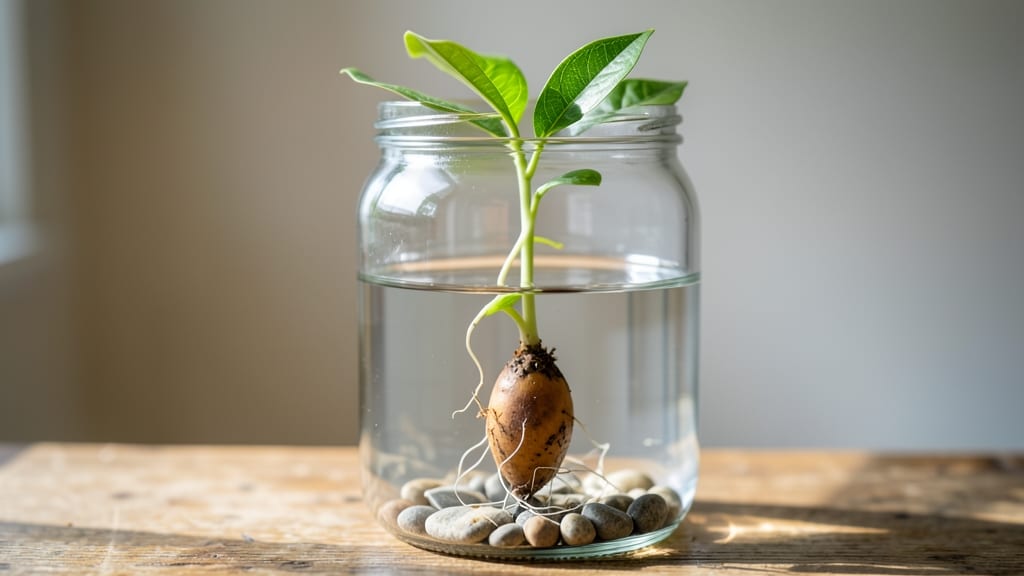
Growing a mango seed in water feels like magic—especially when that first root breaks through in just 3 weeks. 🌱 I’ve tried this with grocery-store mangoes, and every time, that tiny seed becomes a promise of a tropical tree on my windowsill.
The process is shockingly simple, but the patience required is where most people quit before seeing real progress.
All you need is a mango pit, a glass of water, and a sunny spot. No fancy tools, no greenhouse—just the seed, a little patience, and a reminder that roots grow best in consistent moisture.
The key is keeping the water clean and the seed upright, so it doesn’t rot before it sprouts. Most people rush this step, but slow and steady wins the race.
By week 4, you’ll have a 2-3 inch root system ready for transplanting. The seedling won’t look like much yet, but that’s when the real fun begins—moving it to soil and watching it grow into a real tree.
The smell of fresh soil and the sight of new leaves is worth every week of waiting.
This method works indoors year-round, even in cold climates. Just keep it near a bright window or under a grow light until it’s strong enough for outdoor planting. The hardest part? Resisting the urge to rush—your mango tree will thank you for the patience.
📚 In This Guide
- What you need
- Instructions
- Tips and common mistakes
- Wrapping up and next steps
What you need
- ● 1 fresh mango seed – Choose a plump, undamaged seed from a ripe, organic mango (avoid seeds treated with pesticides).
- ● 1 clear glass or jar – 8 oz (240 mL) or larger, with a wide mouth for easy access. Mason jars or drinking glasses work great!
- ● Fresh, filtered water – Room temperature (cold water can shock the seed). Change it every 2–3 days.
- ○ 1 rubber band or string – To secure the seed in place (optional but helpful).
- ● Toothpick or skewer – For gently prodding the seed if needed.
- ● Small plate or saucer – To drain excess water when transferring the seed.
- ● Grow light or sunny windowsill – If your space lacks natural light (6+ hours/day is ideal).
- ● Notebook & pen – To track growth progress (because watching roots sprout is that exciting!).
Step-by-step instructions for germinating a mango seed in water
Here’s how to coax a mango seed into sprouting roots within weeks—no soil needed.
🌱 Step 1: Select and Prepare the Seed
Start with a fresh, plump mango seed—avoid dried or cracked ones. Rinse it under cool water to remove any fruit residue, then let it air-dry for 10-15 minutes. The seed’s outer shell is tough, so I gently tap it against a hard surface to crack it just enough to encourage faster germination. Don’t split it open—just create a few tiny fractures.
Place the seed between two damp paper towels, folding them to enclose it snugly. The towels should feel damp, not soaking wet. Store this bundle in a sealed plastic bag to retain moisture. Within 3-7 days, you’ll spot a small white root emerging from the seed’s base—that’s your cue to move to water.
💧 Step 2: Submerge the Seed in Water
Fill a clear glass or jar with 2-3 inches of room-temperature water. Submerge the seed about halfway, leaving the top half exposed. Use a toothpick to prop it upright if needed. Change the water every 2-3 days to prevent bacterial growth—stagnant water smells sour or cloudy, which means it’s time for a refresh.
Set the jar in a warm spot, like near a sunny window or under a grow light. You’ll see roots grow 1-2 inches per week, but don’t rush—patience here prevents rot. If the water level drops, top it off with fresh water. Roots should stay submerged, but the seed itself should never sit underwater for more than a day.
☀️ Step 3: Monitor Root and Sprout Development
Once roots reach 2-3 inches long, you’ll notice a tiny sprout poking out of the seed’s top. This is your signal to transition to soil. Healthy roots should be white or pale yellow, not brown or mushy. If you see brown spots, the seed is rotting—start fresh with a new seed.
At this stage, keep the jar in bright, indirect light. Direct sun can overheat the water and stress the seedling. You’ll want to act quickly once the sprout appears—waiting too long risks the seedling drying out. The goal is to move it to soil within 1-2 weeks of sprouting.
🪴 Step 4: Prepare for Soil Transplant
Fill a small pot (at least 4 inches deep) with well-draining potting mix. Make a hole in the center, then gently place the seedling into the soil up to its base, leaving the roots submerged. Press the soil lightly around the seedling to secure it, but don’t compact it tightly.
Water the soil until moisture seeps out the drainage hole, then place the pot in a warm, sunny spot. Keep the soil consistently moist but not soggy—stick your finger in the top inch of soil. If it feels dry, water again. Within 2-4 weeks, you’ll see the first true leaves emerge, signaling the seedling is thriving.
Tips & tricks for growing a mango seed in water
A few key tricks will help you avoid common pitfalls and give your mango seed the best chance to thrive.
Seed Selection: The freshness of your mango seed makes all the difference. Look for seeds that are firm, plump, and free of cracks or mold. I've tried this with seeds that were just a few days old from ripe fruit—those work best. If you're using a dried seed, soak it in water for 24 hours first to rehydrate it before starting the process.
Cracking Technique: When you tap the seed to create fractures, aim for just a few small cracks—not a completely broken shell. I use the edge of my cutting board and gently press until I hear a few light pops. This creates tiny openings for moisture to penetrate without damaging the seed's structural integrity. Think of it like giving the seed a tiny breath of fresh air.
Water Quality: Always use room-temperature water for your seed's water bath. Cold water can shock the seed, while warm water can promote bacterial growth. Change the water every 2-3 days as instructed, but also watch for cloudiness or foul odors—these are signs it's time for an earlier refresh. A clear glass jar makes it easy to spot these changes quickly.
Light Balance: While bright, indirect light is ideal, don't place your seedling in direct sunlight during the water stage. I've seen seeds overheat in just a few hours when left in full sun. If you notice the water getting warm to the touch or see bubbles forming, move the jar to a cooler spot. The goal is to encourage root growth, not cook the seed.
Pro Tips for Grow A Mango Seed In Water
- A few key tricks will help you avoid common pitfalls and give your mango seed the best chance to thrive.
- Seed Selection: The freshness of your mango seed makes all the difference.
- Cracking Technique: When you tap the seed to create fractures, aim for just a few small cracks—not a completely broken shell.
Frequently asked questions
Got questions about growing a mango seed in water? You’re not alone! Here are some of the most common concerns—plus quick, practical answers to keep your little mango tree thriving.
How long does it take for a mango seed to sprout in water?
A mango seed typically sprouts within 2 to 3 weeks when kept in warm, indirect sunlight and changed water every 2–3 days. Patience is key—some seeds may take up to 4 weeks to crack open! If nothing happens after a month, try gently tapping the seed or using a toothpick to encourage growth.
Can I reuse the same water for my mango seed?
Nope! Always use fresh, room-temperature water to prevent bacterial growth or mold. Stagnant water can suffocate the seed or attract pests. Change it every 2–3 days (or daily if the water looks cloudy). Pro tip: Add a drop of hydrogen peroxide (3%) to the water weekly to keep it clean!
What if my mango seed rots instead of sprouting?
Rotting is a common issue, usually caused by too much moisture or poor water quality. If you notice a foul smell or mushy seed, remove it immediately and start fresh. To prevent this:
- Use filtered or distilled water (tap water can have chlorine/fluoride).
- Avoid overcrowding—give each seed space in its own container.
- Ensure the seed is partially submerged (only the bottom ⅓).
Do I need a grow light, or will sunlight work?
Natural sunlight is ideal for your mango seedling, but avoid direct, harsh rays (like midday sun), which can scorch tender leaves. Place it near a south-facing window or under bright, indirect light. If natural light is limited, a grow light (12–14 hours/day) works too—just keep it 6–12 inches away to prevent overheating.
Can I plant the seed directly in soil without water pre-sprouting?
Yes, but the success rate drops! Mango seeds germinate faster and stronger in water first (about 70% success rate vs. 30–50% in soil). If you skip the water step, plant the seed 1–2 inches deep in moist, well-draining soil and keep it warm (70–80°F). Water lightly but consistently—don’t drown it! Cover with a plastic bag to retain humidity until sprouts appear.
Why is my seedling growing mold or black spots?
Mold or black spots usually mean fungal infection from overwatering or poor airflow. Here’s how to fix it:
- Trim affected leaves with clean scissors.
- Let the soil dry slightly between waterings.
- Improve airflow by moving the plant or using a small fan (gently!).
- Apply a fungicide spray (like neem oil) if needed.
Wrapping up and next steps
Growing a mango seed in water is a rewarding journey that blends patience with the joy of nurturing life! 🌱 With just a few simple steps—water, sunlight, and a little love—you’ve unlocked the potential to grow your very own tropical tree.
Whether you’re aiming for a lush houseplant or a future fruit-bearing giant, the key is consistency and care.
Now that you’ve mastered the basics, why not take the next step? Once your seedling sprouts roots and leaves, it’s time to transplant it into soil and watch it thrive in a pot or garden. Happy growing—your green thumb is already making magic happen! ✨