
Propagation
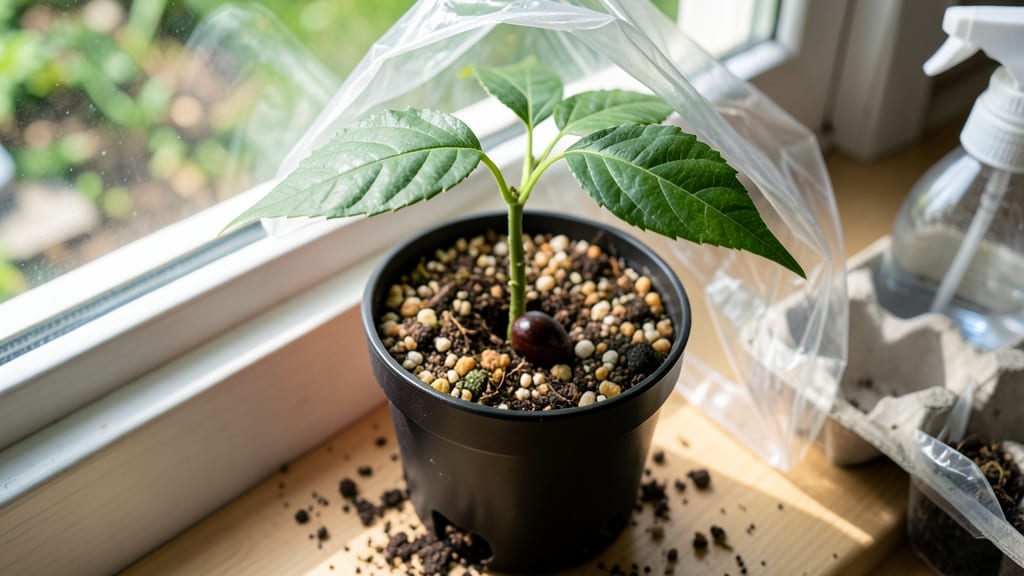
Growing a mango tree from seed indoors means tropical sunshine on your windowsill—though it’ll take years before you taste that first fruit. 🌱 I’ve nurtured three from seed, and while none have fruited yet, the journey of watching those first leaves unfurl makes every wait worthwhile.
The key? Patience, because this isn’t a fast-growing houseplant—it’s a long-term project with a sweet payoff.
You’ll need just three things to start: a fresh, plump mango seed (not dried or cracked), a small pot with drainage, and a sunny spot. The seed itself is the hardest part—some germinate in weeks, others take months.
I’ve had seeds sprout in as little as 3 weeks and as long as 6 months, so don’t rush the process. Once it cracks open, you’ll know you’re on the right track.
By the time your seedling hits 6 inches tall, you’ll be pinching back new growth to encourage a bushier shape. The real magic happens when you move it outdoors for summer—even a few hours of fresh air helps it toughen up.
Just remember, indoor mango trees rarely fruit before 5-10 years, but the lush, glossy leaves and occasional fragrant blossoms make the wait feel like a victory.
Common pitfalls? Overwatering (let the top inch dry between waterings) and not enough light (south-facing windows are best). If growth stalls, it’s probably light—supplement with a grow light if needed. And yes, that first fruit will taste different from store-bought, but the story behind it? Priceless.
📚 In This Guide
- What you need
- Instructions
- Tips and common mistakes
- Wrapping up and next steps
What you need
- ● Mango seed: A fresh, plump seed from a ripe mango (bonus points if it’s from a variety you love!)
- ● Small pot (4–6 inches in diameter): With drainage holes—terracotta or plastic works. Quantity: 1
- ● Well-draining potting mix: A blend of peat, perlite, and coconut coir (or a cactus/succulent mix). Quantity: Enough to fill the pot
- ● Spray bottle: For gentle watering (avoid over-saturating the seed). Quantity: 1
- ○ Plastic wrap or clear lid: To create a mini greenhouse effect. Optional but helpful for humidity
- ● Bright, indirect sunlight spot: A south- or west-facing windowsill is ideal. No equipment needed—just a sunny perch!
- ○ Patience (and a notebook!): Track moisture, light, and growth progress. Optional but recommended
- ● Grow lights: If natural light is limited, a LED grow bulb can give your seedling a boost.
- ● Humidity tray: A shallow tray with pebbles and water to increase moisture around the pot.
- ● Fertilizer (diluted): A balanced, water-soluble fertilizer (like 10-10-10) for seedlings—start after 3–4 months.
- ● Label or marker: To track your mango tree’s progress (and avoid seedling mix-ups!).
- ● Second pot (slightly larger): For transplanting once roots fill the first container.
Step-by-step instructions for growing a mango tree from seed indoors
Here's my foolproof method for coaxing a tropical mango tree from a seed—no greenhouse needed.
🌱 Step 1: Select and Prepare the Seed
Start with a fresh, plump mango seed—never dried or shriveled. I like to choose seeds from organic mangoes since they're less likely to have been treated with chemicals that might inhibit germination. Rinse the seed thoroughly under warm water to remove any remaining fruit pulp, then let it air-dry for about 24 hours on a paper towel.
Once dry, place the seed between two damp paper towels in a sealed plastic bag. Store it in a warm spot (75-85°F)—I keep mine on top of my fridge. Check daily and mist with water if the towels dry out. You'll see the first signs of germination—tiny white roots breaking through—in about 7-14 days.
🪴 Step 2: Choose and Fill the Container
Use a small, 4-6 inch diameter container with drainage holes—plastic nursery pots work perfectly. Fill it with a well-draining cactus/succulent mix (never regular potting soil, which stays too wet). I like to add a handful of perlite to improve aeration. Moisten the mix lightly until it's damp but not soggy—think of a wrung-out sponge.
Make a small hole in the center of the soil with your finger, about 1 inch deep. Gently place the germinated seed (root-side down) into the hole, then cover it with soil. Press lightly around the edges to secure the seed. Place the pot in a bright, indirect light spot—no direct sun yet, as the young seedling is sensitive.
💧 Step 3: Water and Monitor Germination
Water the soil gently until it's evenly moist, but avoid soaking it. Overwatering at this stage is the fastest way to kill your seedling—you'll know it's right when water runs out the drainage hole but doesn't pool at the bottom. Let excess water drain away completely before placing the pot back on its saucer.
Keep the soil consistently moist (not wet) by checking the top inch daily. If it feels dry, water lightly again. In about 2-4 weeks, you'll see the first true leaves emerge—these will look different from the initial seed leaves. This is your signal that the seedling has successfully rooted and is ready for its next phase.
☀️ Step 4: Gradually Introduce Light and Humidity
Once the seedling has its first true leaves, move it to a bright, south-facing window where it can receive 4-6 hours of indirect sunlight daily. Direct sun at this stage can scorch the delicate leaves. If your home has low light, supplement with a grow light kept 6-8 inches above the plant for 12-14 hours a day. You'll notice the leaves darkening and thickening as they adapt to more light.
Mango seedlings thrive in humidity, so place the pot on a tray filled with pebbles and water (keep the water level below the pebbles). As the water evaporates, it creates a humid microclimate around the plant. Mist the leaves lightly every few days, but avoid wetting them excessively—this can lead to fungal issues. Watch for new growth; healthy seedlings will sprout a few inches in height within a month.
✂️ Step 5: Prune and Repot for Growth
When your mango seedling reaches about 6-8 inches tall, it's time to prune and repot. Use clean, sharp scissors to trim any leggy or yellowing leaves—this encourages bushier growth. Pinch off the top set of leaves just above a set of healthy leaves to promote branching. This step is crucial for preventing a single, weak stem from dominating the plant.
Repot the seedling into a 6-8 inch pot with fresh cactus/succulent mix to give it room to grow. Gently loosen the roots before transferring to avoid damaging them. After repotting, water thoroughly and place the pot in a slightly shadier spot for a few days to reduce stress. Over the next few weeks, you'll see new leaves and branches forming, signaling that your mango tree is thriving.
Tips & tricks for perfect indoor mango tree growth
These insider strategies will help you nurture your tropical seedling into a thriving houseplant.
Seed Selection Wisdom: The secret to successful germination lies in your initial seed choice. Look for seeds that are plump, heavy for their size, and free of cracks or soft spots—these are your best bet for strong germination. I've found that seeds from organic mangoes germinate more reliably since they're less likely to have been treated with chemical inhibitors. Once you've selected your seed, the 24-hour drying period is crucial—it prevents mold growth while allowing the seed to absorb just enough moisture to begin the germination process.
Temperature Control: Maintaining that warm environment between 75-85°F during the germination phase is non-negotiable. I keep my seeds on top of my fridge where the heat naturally accumulates. If your home tends to be cooler, consider using a seedling heat mat set to 75°F underneath the damp paper towels. The key is consistency—fluctuations can shock the seed and delay germination. You'll know you've got the right conditions when those first white roots appear in just 7-14 days.
Light Transition Strategy: The move from indirect light to direct sunlight in Step 4 requires gradual adaptation. Start by placing your seedling near a window where it receives bright, indirect light for several days before introducing any direct sun. I've seen many beginners rush this transition and end up with scorched leaves. For those with limited natural light, a grow light kept 6-8 inches above the plant for 12-14 hours daily works wonders. The goal is to darken and thicken the leaves—this is your visual cue that the plant is adapting successfully.
Pruning Technique: When it comes time to prune your 6-8 inch seedling, use clean, sharp scissors and make cuts just above a set of healthy leaves. This encourages branching and creates a bushier plant structure. I like to think of it as "teaching" the plant to grow outward rather than upward. The first pruning should be relatively light—just remove any leggy growth or yellowing leaves. As your tree matures, you'll develop a better sense of what needs to be trimmed to maintain that balanced, tropical look.
Pro Tips for Grow A Mango Tree From Seed Indoors
- These insider strategies will help you nurture your tropical seedling into a thriving houseplant.
- Seed Selection Wisdom: The secret to successful germination lies in your initial seed choice.
- Temperature Control: Maintaining that warm environment between 75-85°F during the germination phase is non-negotiable.
Frequently asked questions
Got questions?
Growing a mango tree from seed indoors is exciting, but it’s natural to have doubts. Here are answers to the most common queries—so you can nurture your tropical dream with confidence!
How long does it take for a mango seed to sprout indoors?
Patience is key! Most mango seeds sprout within 2–4 weeks if kept warm (around 70–85°F) and moist. Some take longer—up to 6–8 weeks. If nothing happens after 2 months, the seed may not be viable. Don’t give up—try another!
Will my indoor mango tree ever produce fruit?
Probably not—but it’s still magical! Trees grown from seed are unpredictable and may take 10–20 years (or never) to fruit, even outdoors. For faster results, graft a known variety onto your seedling. Still, enjoy the journey—your tree’s leaves alone are a tropical win!
Can I grow a mango tree indoors year-round, or do I need to move it outside?
Indoors works for juvenile stages, but mango trees thrive outdoors long-term. Once your seedling is 2–3 feet tall, acclimate it to sunlight (start with 4–6 hours/day) and transition it to a protected outdoor spot (like a patio) in warm months. Skip this, and growth slows dramatically.
Why is my mango seedling’s leaves turning yellow or dropping?
Yellow leaves or leaf drop usually mean overwatering, underwatering, or poor drainage. Check the soil—it should be slightly dry between waterings. Also, ensure your pot has drainage holes and use well-draining soil. Too much cold or drafts can stress the plant too. Pro tip: Mist leaves occasionally to mimic humidity!
What if my mango seed won’t sprout—can I try another method?
Yes! If the seed stays dormant, try soaking it in warm water for 24–48 hours before planting. Some seeds benefit from light scratching (with sandpaper) to break dormancy. If all else fails, buy a grafted mango tree from a nursery—it’s a faster (but pricier) way to enjoy tropical vibes!
Wrapping up and next steps
Growing a mango tree from seed indoors is a rewarding journey that brings a taste of the tropics to your home! 🌱 With patience, the right care, and a sunny spot, you can nurture a thriving sapling that may one day bear fruit—or at least delight with its lush, exotic presence.
Start small, stay consistent, and enjoy the process of watching life grow from something as simple as a seed.
Next steps: Once your seedling is strong, consider transplanting it to a larger pot or even outdoors (if your climate allows). Keep exploring—maybe even experiment with grafting for faster fruit production! 🌟