
Planting
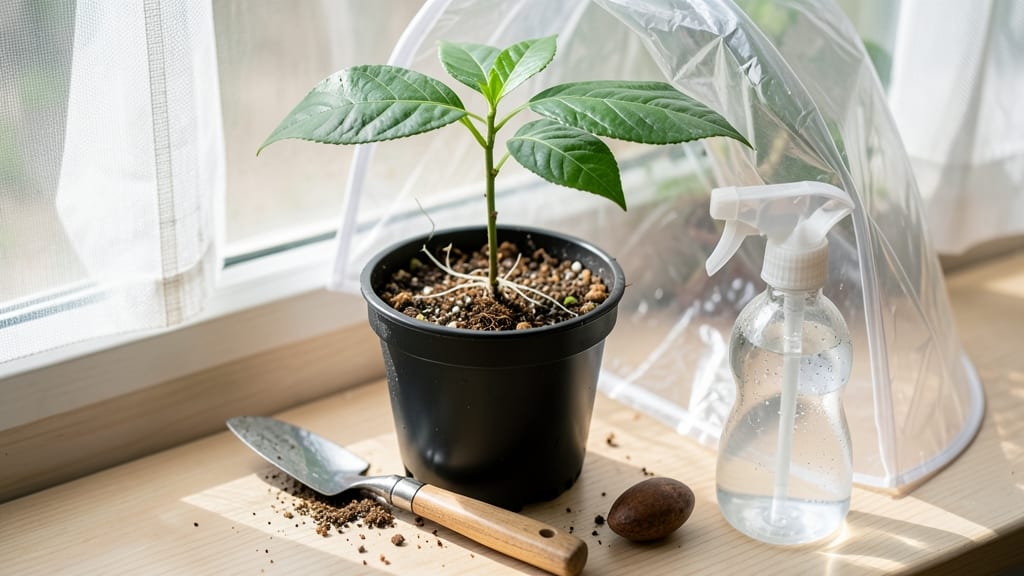
Planting a mango seed in soil feels like starting a slow-motion adventure—it takes patience, but the reward is watching a tropical tree grow from something as small as a seed. 🌱 The key isn’t rushing germination; it’s creating the right conditions so that seedling finally pushes through the soil after weeks of waiting.
I’ve tried this three times, and the third attempt finally broke through with a sturdy sprout.
Start with a small pot filled with well-draining potting mix—mango seeds hate soggy soil. Plant the seed about an inch deep, with the pointed end facing up (this is critical). Keep the soil consistently moist but never waterlogged, and place the pot in a warm spot with bright, indirect light.
A heat mat can help if your home stays cool, since mango seeds need warmth to germinate.
Germination can take anywhere from 2 weeks to 2 months, depending on temperature and humidity. When the first leaves appear, you’ll know you’re on the right track—those tiny, glossy leaves are your reward for waiting.
The seedling will grow slowly at first, but with steady care, it’ll develop into a small tree within a year.
Fair warning: this isn’t a fast process, and many seeds never sprout. But when it does work, you’ll have a living piece of the tropics growing in your home—even if it never bears fruit, the journey is worth it. Here’s how to give it the best shot at success.
📚 In This Guide
- What you need
- Instructions
- Tips and common mistakes
- Wrapping up and next steps
What you need
- ● Mango seed: 1 fresh, viable seed (preferably from an organic, ripe mango)
- ● Small pot or container: 1 (4–6 inches in diameter) with drainage holes
- ● Potting soil: 1 bag (well-draining, organic mix—like a 50/50 blend of peat moss and perlite)
- ● Watering can or spray bottle: 1 (for gentle hydration)
- ● Plastic wrap or clear lid: 1 (to create a humid environment)
- ● Rubbing alcohol (70% isopropyl): 1 small bottle (for sterilizing tools)
- ● Pruning shears or sharp knife: 1 (for seed preparation)
- ○ Fertilizer (optional but helpful): 1 packet of balanced, water-soluble fertilizer (e.g., 10-10-10 NPK ratio)
- ● Seedling heat mat: 1 (to maintain warmth, ~75–85°F)
- ● Grow lights: 1 (LED or fluorescent, 12–16 hours/day)
- ● Humidity dome: 1 (store-bought or DIY with a plastic bottle)
- ● Label or marker: 1 (to track planting date)
- ● Compost or worm castings: 1 small bag (for nutrient boost)
Step-by-Step instructions for planting mango seeds in soil
Here's how I turn a mango pit into a thriving seedling—no fancy tools needed.
🌱 Step 1: Extract and Prepare the Seed
Start with a fresh, organic mango pit—never use one that's been frozen or dried. Rinse it thoroughly under warm water to remove any pulp residue, then pat it dry with a paper towel. The seed's outer shell is tough, so I like to use a sharp knife to carefully score the sides in a cross pattern without cutting too deep. This helps water penetrate later.
Place the pit between two paper towels and fold them so the seed is snug. Dampen the towels with lukewarm water—just enough to feel moist, not soaking. Store the wrapped seed in a sealed plastic bag and leave it in a warm spot, like on top of the fridge. Check daily for signs of sprouting, which usually appears as a tiny white root breaking through the shell after 7-14 days.
💧 Step 2: Plant the Germinated Seed in Soil
Once the root is ½ inch long, it's time to plant. Fill a 4-inch diameter pot with well-draining potting mix—I mix equal parts regular potting soil and perlite to keep roots aerated. Gently loosen the seed from the paper towel and place it in the pot, 1 inch deep, with the root pointing downward. Press the soil lightly around the seed to secure it, but don’t compact it too tightly.
Water the soil until it’s evenly moist but not soggy. You’ll know it’s right when water runs out the drainage hole but the surface stays slightly damp. Place the pot in a warm, bright spot with indirect light—like a windowsill with sheer curtains. Avoid direct sun at this stage, as it can stress the young seedling. Keep the soil consistently moist by watering every 2-3 days or when the top inch feels dry to the touch.
☀️ Step 3: Provide Ideal Growing Conditions
After 4-6 weeks, you’ll see the first true leaves emerge—these are smaller than the initial seed leaves and look like tiny, rounded mango leaves. This is your cue to move the seedling to a sunny spot with at least 6 hours of direct sunlight daily. If you’re growing indoors, a south-facing window works best. Outdoors, choose a sheltered location to protect the young plant from strong winds and harsh afternoon sun.
Mango seedlings thrive in warmth (70-85°F) and humidity. If your home is dry, mist the leaves lightly with water in the morning to mimic tropical conditions. Avoid overwatering—let the top 2 inches of soil dry out between waterings. You’ll notice the seedling’s growth speed up once it adjusts to more light, with new leaves appearing every 2-3 weeks.
🌿 Step 4: Transplant and Encourage Strong Growth
When the seedling reaches 6-8 inches tall and has 4-5 true leaves, it’s ready for its first transplant. Choose a 6-inch pot with fresh potting mix and gently remove the seedling from its current pot, keeping the root ball intact. Place it in the new pot, ensuring the soil line is level with the base of the stem. Press the soil lightly around the roots and water thoroughly to settle it.
This is also the time to introduce a balanced, water-soluble fertilizer diluted to half strength. Feed the seedling every 4-6 weeks during the growing season to support its development. Keep the pot in a bright, warm spot and continue watering when the top 1-2 inches of soil feel dry. With patience, your mango seedling will grow into a small tree, though it may take 3-5 years to produce fruit—worth the wait!
Tips & tricks for perfect mango seed germination
Turning that mango pit into a thriving plant takes patience—but these little tricks make all the difference.
Scoring Tip: When you score the seed in Step 1, make those cuts shallow but deep enough to break the hard outer shell without piercing the seed inside. I use a butter knife for precision—just enough to create tiny channels for water to seep in. Too deep, and you risk damaging the seed; too shallow, and it won’t germinate. Think of it like making a tiny crosshatch pattern.
Germination Check: After placing your seed in damp paper towels, keep it in a warm spot like on top of the fridge. The magic happens when you see that first white root—usually between 7-14 days. Here’s my pro move: Place the bagged seed near a warm appliance (like a toaster oven on low) if your kitchen stays cool. Warmth speeds up germination without overdoing it.
Soil Mix Secret: For Step 2, that 50/50 mix of regular potting soil and perlite is key. Perlite prevents soggy roots while still holding enough moisture. If you don’t have perlite, crushed gravel or even coarse sand works in a pinch—but don’t skip the drainage! I’ve seen seedlings rot when planted in regular soil alone because mango seeds hate soggy roots.
Light Transition: When moving your seedling to direct sunlight in Step 3, do it gradually. Start with just 2 hours of morning sun the first day, then increase by 1 hour daily. Sudden full sun can scorch delicate leaves. I’ve seen seedlings get sunburned when people rush this step—it’s like giving a pale person a full day at the beach without sunscreen!
Pro Tips for Plant Mango Seed In Soil
- Turning that mango pit into a thriving plant takes patience—but these little tricks make all the difference.
- Scoring Tip: When you score the seed in Step 1, make those cuts shallow but deep enough to break the hard outer shell without piercing the seed inside.
- Germination Check: After placing your seed in damp paper towels, keep it in a warm spot like on top of the fridge.
Frequently asked questions
Got questions about growing mango trees from seeds? You’re not alone! Here are some of the most common concerns—and their straightforward answers—to help you succeed.
How long does it take for a mango seed to sprout?
A mango seed typically takes 2–4 weeks to sprout after planting, depending on soil warmth and moisture. If you’ve planted it correctly but see no signs of growth after 6 weeks, gently check for rot or adjust your care routine. Patience is key—some seeds take longer!
Can I plant a mango seed directly in the ground outside?
While possible, it’s riskier outdoors unless you live in a tropical or subtropical climate. Young seedlings are fragile and may not survive frost or temperature swings. Start indoors in pots for 3–6 months, then transplant after the last frost. A greenhouse or sunny windowsill works great!
What if my mango seed only grows into a leafy plant with no fruit?
Mango trees grown from seeds are not guaranteed to produce fruit—they’re often wild-type varieties that may take 5–10 years (or never) to bear edible fruit. For faster, fruit-bearing results, consider grafting or buying a grafted sapling from a nursery. Seedlings are fun for learning, though!
Do I need to soak the mango seed before planting?
Soaking isn’t required, but it can speed up germination by softening the hard outer shell. Here’s how: Soak the seed in water for 24–48 hours, changing the water daily. Drain well before planting. Pro tip: Use a paper towel to wrap the seed while soaking—it helps monitor moisture levels!
Why is my mango seedling wilting or turning yellow?
Wilting or yellowing usually signals overwatering, underwatering, or poor drainage. Check the soil—it should stay moist but not soggy. Ensure the pot has drainage holes and use well-draining soil. If the leaves feel mushy, reduce watering; if they’re crispy, increase humidity slightly with a spray bottle.
Can I use a store-bought mango to plant a seed?
Yes! Just pick a firm, ripe mango (avoid overly soft or bruised ones). Look for seeds with a single embryo (one end is slightly pointed)—these have the best germination rates. Rinse the seed thoroughly to remove pulp before planting. Bonus: Save seeds from heirloom or organic mangoes for better genetic potential!
Wrapping up and next steps
Growing a mango tree from seed is a rewarding journey that blends patience with the joy of nurturing life! 🌱 By following these steps—from selecting the right seed to providing the ideal soil and care—you’re well on your way to cultivating your own tropical treasure. Remember: consistency is key, and soon, you’ll be harvesting sweet, juicy mangoes straight from your backyard.
Ready to take the next step? Once your seedling grows stronger, consider transplanting it into a larger pot or garden bed to give it room to thrive. Happy planting—and may your mango tree flourish! 🌿