
Lawn
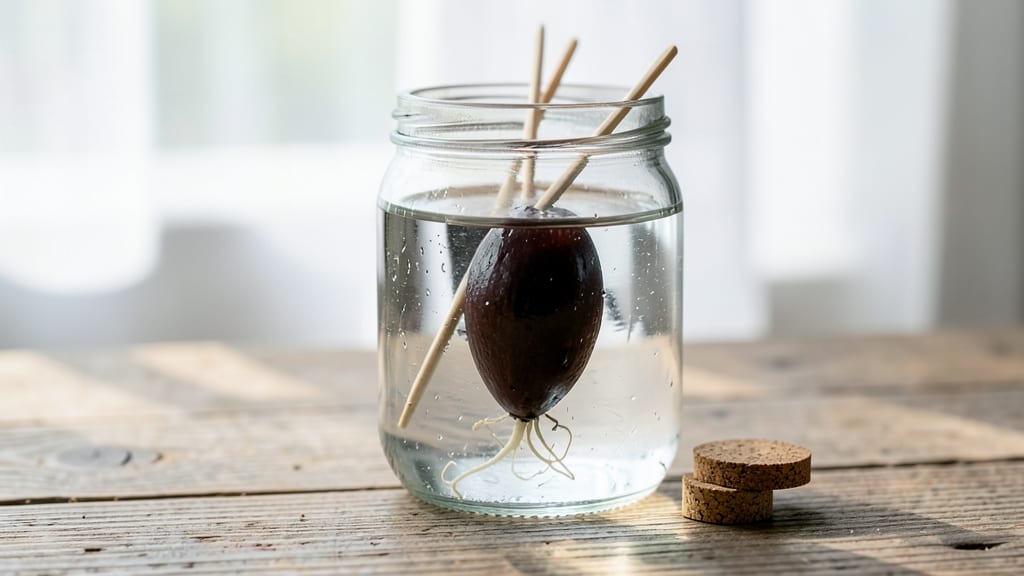
Sprouting an avocado seed in water turns your kitchen trash into a mini tropical tree—and it’s easier than you think. 🌱 I’ve watched my own seeds grow roots in just 2-3 weeks, with some even sprouting leaves before I transplant them.
The best part? You only need three things: patience, a glass of water, and a little avocado pit from your grocery bag.
Start by cleaning the seed and inserting 3-4 toothpicks around the middle to suspend it over a glass of water. Keep the bottom half submerged but the top dry—this mimics natural conditions.
Change the water every 2-3 days to prevent mold, and place your glass in bright, indirect light. Within 2 weeks, you’ll see roots reaching for the water like tiny brown fingers.
By week 4, you might spot a tiny sprout breaking through the seed’s top—proof your tree is waking up. The roots will thicken, and you’ll feel ready to transplant into soil.
This isn’t just a science experiment; it’s a living reminder that growth starts small, even in a kitchen counter.
Here’s the secret: Don’t rush it. Some seeds take 6-8 weeks to sprout, and that’s okay. The journey is just as rewarding as the tiny tree itself. Whether you keep it as a houseplant or transplant it outside (in warm climates), you’ve already won—because you’ve grown something from nothing.
📚 In This Guide
- What you need
- Instructions
- Tips and common mistakes
- Wrapping up and next steps
What you need
- ● 1 fresh avocado pit – Choose a seed from a ripe, organic avocado if possible (no chemicals = healthier start!).
- ● Toothpicks (3-4) – Wooden or plastic, about 3-4 inches long to balance the seed.
- ● 1 clear glass or jar – At least 12-16 oz, wide-mouth preferred for easy access.
- ● Water – Use room-temperature, filtered water (chlorine-free is best). Change it every 2-3 days.
- ● Paper towels or coffee filter – To cover the jar’s opening and keep dust out.
- ● Patience! 😊 – Sprouting takes 2-6 weeks, and growth is gradual.
- ○ Food coloring (optional) – A few drops can make the water visually fun (non-toxic, food-grade only!).
- ● Small pebbles or marbles – Place at the jar’s bottom to weigh down the toothpicks and stabilize the seed.
- ● Humidity dome or plastic wrap – Helps maintain moisture during early root growth.
- ● Grow light or sunny windowsill – Once leaves sprout, indirect sunlight (6+ hours/day) speeds up growth.
- ● Notebook & pen – Track water changes, root progress, and growth milestones!
Step-by-Step instructions for sprouting an avocado seed in water
Turn that grocery store discard into a living plant with this simple, science-backed method.
🌱 Step 1: Prepare the Avocado Seed for Sprouting
Start with a fresh avocado seed—one that still has some moisture in the pit. Rinse it thoroughly under cool water to remove any pulp residue, then pat dry with a paper towel. The goal is to expose the seed's natural moisture barrier while keeping it clean for root development.
Here's the thing—you'll want to remove the thick outer skin. I use a butter knife to gently scrape away the hard outer layer, being careful not to damage the seed itself. Start at the wider end and work your way down, revealing the smooth, brown seed underneath. This step is crucial because the seed needs to breathe and absorb moisture properly.
💧 Step 2: Suspend the Seed in Water
Fill a clean glass or jar with about 2-3 inches of room-temperature water. The key here is to suspend the seed so only the bottom ¼ inch is submerged—never fully submerge it. This prevents rot while allowing the seed to drink up enough moisture to start rooting.
I like to use toothpicks to create a stable suspension. Place two toothpicks horizontally across the top of the glass, about ½ inch apart. Rest the wider end of the avocado seed on them, ensuring the pointed end stays dry. You'll know it's positioned correctly when the seed floats just above the waterline with the toothpicks supporting its weight.
☀️ Step 3: Provide Warmth and Consistent Moisture
Place your suspended seed in a warm spot—70-80°F is ideal—where it gets indirect sunlight. A windowsill facing east or west works perfectly, but avoid direct midday sun, which can overheat the water and stress the seed. You'll see the first signs of life in 2-6 weeks, depending on your climate and seed freshness.
Change the water every 2-3 days to prevent bacterial growth. Use a clean glass each time and maintain the same water level. Watch for the first roots to emerge from the bottom—when they reach about 1-2 inches long, that's your signal to move to the next stage. Don't let the roots grow too long before transplanting, or they'll become brittle and break easily.
🌿 Step 4: Transition to Soil for Root Development
Once your roots reach about 2 inches, it's time to plant. Fill a 6-inch pot with well-draining potting mix—avoid garden soil, which can compact and suffocate young roots. Make a small hole in the center, about 1 inch deep, and gently place the seed in so that half of it is buried and the other half remains exposed.
Water lightly but thoroughly, ensuring the soil is moist but not soggy. Place the pot in a warm, bright spot with bright indirect light for the first week. You'll notice new leaves emerging from the top of the seed within 2-4 weeks—this is when the real magic happens. Keep the soil consistently moist but never waterlogged, as this can cause root rot.
⏰ Step 5: Maintain Growth and Patience
After the first leaves appear, your avocado seedling is officially a plant! Gradually introduce it to more sunlight over the next 2 weeks, increasing exposure by 1 hour daily to avoid shock. Once it's acclimated, move it to a south-facing window or under grow lights for 12-14 hours of light per day.
Real talk: Avocado trees grow slowly, so don't expect rapid results. Fertilize lightly every 2 months with a balanced, water-soluble fertilizer to encourage steady growth. With time and care, your kitchen scrap will become a 6-foot-tall tropical tree—just give it the patience it deserves.
Tips & tricks for perfect avocado seed sprouting
Don't let impatience or small mistakes ruin your chance to grow a tropical tree from a kitchen scrap. These simple adjustments will give your avocado seed the best possible start.
Seed Selection Matters: Choose seeds from avocados that still have moisture in the pit—they're more likely to sprout successfully. I've found that Hass avocado seeds work best because they're larger and contain more stored energy. Avoid seeds that feel completely dry or have cracks—they won't develop roots properly. The fresher the seed, the better your chances.
Suspension Stability: When creating your toothpick suspension in Step 2, make sure the seed sits level in the water. An unbalanced seed can tip over, causing the pointed end to submerge and potentially rot. I like to use three toothpicks arranged in a triangle for extra stability—this keeps the seed perfectly horizontal even if the glass moves slightly. The goal is to maintain that ¼ inch submersion consistently.
Root Monitoring: During the 2-6 week waiting period in Step 3, check your seed's progress weekly without disturbing the water level. Healthy roots should appear white and firm, not brown or mushy. If you notice any blackening at the waterline, that's a sign of rot—remove the seed immediately and start fresh with a new one. The 1-2 inch root length is your green light for transplanting, so don't wait too long after this milestone.
Transplanting Technique: When moving your seed to soil in Step 4, handle the roots with care—they're surprisingly delicate. I like to gently wrap them in a damp paper towel before placing them in the hole to prevent breakage. After planting, give the soil a light press around the base to eliminate air pockets, then water until moisture reaches 1 inch deep. This helps the roots establish contact with the soil immediately.
Pro Tips for Sprout An Avocado Seed In Water
- Don't let impatience or small mistakes ruin your chance to grow a tropical tree from a kitchen scrap.
- Seed Selection Matters: Choose seeds from avocados that still have moisture in the pit—they're more likely to sprout successfully.
- Suspension Stability: When creating your toothpick suspension in Step 2, make sure the seed sits level in the water.
Frequently asked questions
Got questions about sprouting your avocado seed? You’re not alone—this process sparks curiosity (and sometimes confusion)! Here are answers to the most common queries to keep your seed-growing journey smooth and successful.
How long does it take for an avocado seed to sprout in water?
Patience is key! With consistent care, roots typically appear in 2–6 weeks. Once roots reach 2–3 inches, you’ll see a sprout emerge from the top within 4–8 weeks after rooting. Keep the water fresh, and avoid rushing—nature sets the pace!
What if my avocado seed isn’t sprouting after weeks in water?
Don’t give up just yet! If roots aren’t forming, check these fixes:
- Water quality: Use room-temperature, filtered water (chlorine can hinder growth).
- Seed viability: Older seeds (over 6 months) may not sprout. Try a fresh one!
- Oxygen flow: Change the water every 2–3 days to prevent mold or stagnation.
- Patience: Some seeds take up to 3 months—stay consistent!
Can I plant the seed directly in soil without sprouting it in water first?
While the water method is popular for monitoring progress, you can plant the seed directly in moist soil (with the flat side down). Keep the soil damp (not soggy) and place it in bright, indirect light. Growth may be slower, but it’s a great low-maintenance option for beginners.
How do I know when the avocado seed is ready to transplant?
Your seed is ready for soil when:
- Roots are 2–3 inches long (or longer).
- A small sprout (1–2 inches) has emerged from the top.
- You see new leaves unfurling—this signals active growth.
Transplant by burying half the seed (with roots down) in well-draining soil. Water lightly and place in bright, indirect sunlight. Avoid direct sun at first to prevent stress!
What should I do if mold grows in the water?
Mold is a red flag—act fast! Drain the water, rinse the seed with hydrogen peroxide (3%) or a vinegar-water mix (1:1 ratio), then refill with fresh, clean water. To prevent future mold:
- Change water every 2–3 days.
- Avoid overcrowding (use a single seed per jar).
- Use a small mesh or toothpick to keep the seed submerged without blocking airflow.
If mold persists, your seed may be compromised—start fresh with a new one!
Wrapping up and next steps
Sprouting an avocado seed in water is a rewarding and simple way to bring a touch of the tropics into your home—literally!
With just a little patience and care, you’ve turned kitchen scraps into a potential future tree. 🌱 Now that you’ve mastered the basics, why not take the next step? Once your roots reach 2-3 inches, transplant your seedling into soil and watch it grow into a thriving avocado plant.
The journey from seed to tree is yours to nurture—happy gardening!