
Plants
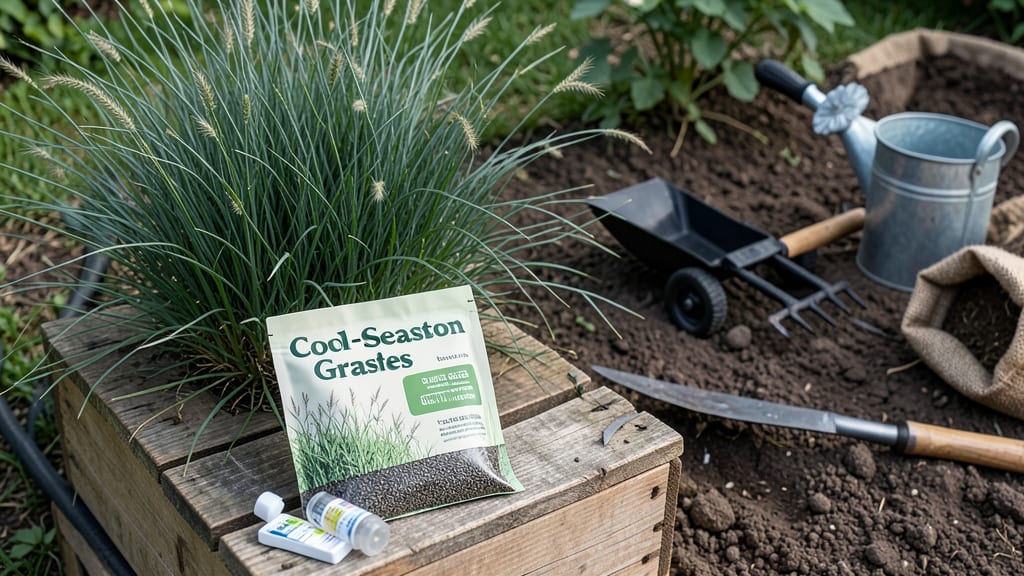
To plant grass seed in Rhode Island, aim for early spring or late summer—when soil temperatures hit at least 50°F and frost risks fade.
Rhode Island’s coastal climate throws curveballs, but timing matters even more than you think. Plant too early, and a late frost zaps your seedlings. Too late, and summer heat dries them out before they take root.
The 6a-7a zones demand precision, especially near Narragansett Bay, where microclimates shift planting windows by weeks.
Most homeowners in Providence or Newport swear by September—cooler air, damp soil, and fewer weeds. But inland areas like Woonsocket can push planting into early October. The key is soil temperature, not just the calendar, and I’ll show you how to check it without guesswork.
Inside, you’ll find the exact frost-free window for your area, seed varieties that thrive in RI’s coastal conditions, and a step-by-step prep checklist to ensure your grass germinates thick and stays that way for years.
Rhode Island’s ideal grass planting timeline by month (zone 5B-6B)
Timing your grass seed planting in Rhode Island depends on avoiding late spring frosts and maximizing soil warmth. Most gardeners in zones 5B-6B focus on two key windows: early spring (March-April) and late summer/early fall (September-October).
The coastal influence means microclimates vary—Providence’s last frost often hits April 15, while Westerly may see frost until May 1.
Fall planting is actually preferred by experts because soil stays warm longer and seedlings establish before winter. September offers 6-8 weeks of growth before first frost (typically October 15), while April planting risks unpredictable cold snaps that can kill young grass.
Let’s break down the month-by-month ideal window for your Rhode Island lawn.
⚠️ Critical Note: Always check soil temperature—it should be at least 50°F (10°C) for cool-season grasses like tall fescue or Kentucky bluegrass. Use a soil thermometer to confirm before planting.
April planting is riskier in Rhode Island because coastal areas like Newport often see late frosts into early May. I recommend waiting until April 22 in these zones to minimize damage. For inland areas (e.g., Woonsocket), April 15 is safer, but always monitor NOAA frost alerts.
September is my top recommendation because the soil stays warm from summer heat, and weeds are less aggressive after summer. Plant 6-8 weeks before your first frost (typically October 15) to ensure root establishment. Use a cool-season blend like tall fescue + perennial ryegrass for best results.
If you’re in a salt-affected zone (e.g., near Narragansett Bay), choose salt-tolerant varieties like creeping red fescue. These handle coastal salinity better and establish faster in September plantings. Always rinse soil with fresh water after salt spray events.
Pro tip: Test your soil pH before planting—Rhode Island’s acidic soils (pH 5.5-6.5) may need lime for optimal grass growth. Aim for a pH of 6.0-7.0 and amend 2-3 months before planting for best results.
After planting, keep soil consistently moist (1-1.5 inches per week) for 4-6 weeks. Use a light mulch (straw) to retain moisture and protect seedlings. Avoid heavy
How to adjust planting for Rhode Island’s coastal vs. inland microclimates
Rhode Island’s coastal areas—like those near Narragansett Bay—enjoy milder winters and longer growing seasons compared to inland regions such as Woonsocket. The difference in microclimates can shift your grass seed planting by weeks, especially when choosing between cool-season and warm-season varieties.
Salt spray along the coast also demands salt-tolerant grasses, while inland zones can handle tougher, drought-resistant types.
In coastal zones like Newport or Westerly, the average last frost date is April 1-15, while inland areas such as Providence or Cranston often see frost lingering until April 15-30.
This delay means inland gardeners should wait longer to plant cool-season grasses like tall fescue or Kentucky bluegrass, while coastal areas can start as early as late March.
Salt spray near the coast is another critical factor. Varieties like creeping bentgrass or fine fescue thrive in salty conditions, while inland grasses like perennial ryegrass may struggle. Always check seed labels for salt tolerance ratings when planting near shorelines.
| Factor | Coastal Zones (e.g., Newport) | Inland Zones (e.g., Woonsocket) |
|---|---|---|
| Last Frost Date | April 1-15 | April 15-30 |
| Best Planting Window | Late March–Early May | Mid-April–Late May |
| Ideal Grass Types | Creeping bentgrass, fine fescue | Tall fescue, Kentucky bluegrass |
| Salt Tolerance Needed | High (salt spray risk) | Low (drought focus) |
| Soil Prep Time | 2-3 weeks before planting | 3-4 weeks before planting |
For warm-season grasses like Bermuda grass or Zoysia, coastal areas can start planting as early as late May, while inland zones should wait until June 1-15. Warm-season grasses need soil temperatures above 65°F to germinate, so always check soil thermometers before planting.
Inland areas often face hotter, drier summers, making drought-resistant grasses like tall fescue a better choice. Coastal regions benefit from more consistent rainfall, allowing for faster establishment of cool-season blends. Always test your soil’s pH and moisture levels before planting to match your microclimate’s needs.
If you’re unsure about your local microclimate, use the Rhode Island Climate Center or NOAA frost maps to pinpoint your exact zone.
Adjust your planting schedule by 1-2 weeks based on elevation and proximity to water—this small tweak can mean the difference between a thick, green lawn and a struggling seedbed. 🌱