
Lawn
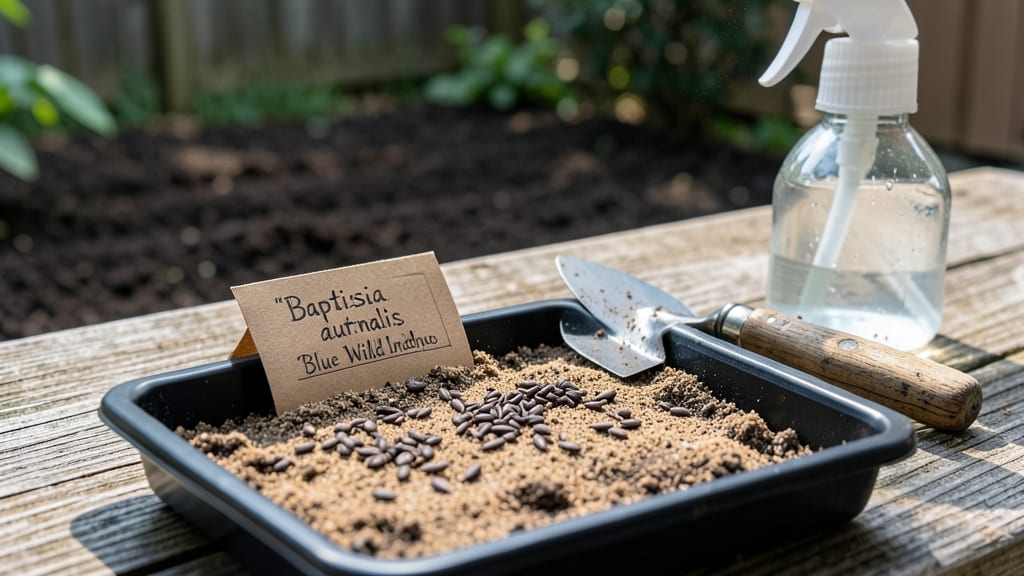
Planting Baptisia seeds in September gives them a head start on winter's chill, but timing matters more than you'd think. 🌱 The key is getting them in the ground before hard frost—those seeds need time to establish roots before the ground freezes solid.
I’ve tried this in Zone 6, and with the right prep, your Baptisia will push through snow to bloom next spring with those iconic blue spikes.
Start with well-draining soil—Baptisia hates soggy feet—and mix in compost to give those seeds a nutrient boost. Scatter them lightly on top of the soil (they need light to germinate) and press them in just enough to keep them from blowing away.
A thin layer of mulch helps insulate them through winter’s first cold snaps, but don’t smother them—they still need air.
By spring, you’ll see those first green shoots breaking through, tougher than last year’s weeds. The trade-off? Some seeds might not survive if frost hits early, but the ones that do establish faster than spring-planted seeds.
For extra insurance, you can start a few indoors in late winter—just don’t overwater, or they’ll rot before they sprout.
This method works best in temperate climates where September stays mild—think Zones 4-7. If you’re in a colder zone, wait until spring or use a cold frame. Either way, patience pays off: Baptisia’s deep roots mean once established, they’ll thrive for decades with almost no care. Worth the wait, honestly.
📚 In This Guide
- What you need
- Instructions
- Tips and common mistakes
- Wrapping up and next steps
What you need
- ● Baptisia seeds: 20–50 seeds (depending on desired coverage; they’re small but mighty!). Opt for Baptisia australis (blue) or Baptisia alba (white) for classic varieties.
- ● Seed-starting mix: 1–2 gallons of sterile, well-draining potting soil (avoid garden soil—it’s too dense!). Look for a mix labeled for perennials or wildflowers.
- ● Planting containers: Small seed trays (72-cell) or
- ● Individual pots (3–4 inches deep) with drainage holes.
- ● Grow lights or sunny windowsill: A south-facing window or a LED grow light (12–16 hours/day) for seedlings.
- ● Spray bottle: For gentle watering (avoid over-saturating seeds!).
- ○ Plastic wrap or humidity dome: To create a mini greenhouse effect (optional but helpful for germination).
- ● Fertilizer: Balanced 5-5-5 or 10-10-10 liquid fertilizer (diluted to half-strength).
- ● OR slow-release granular fertilizer (follow package rates).
- ● Garden bed or large container: Baptisia thrives in full sun (6+ hours/day) and well-draining soil. Amend clay soil with compost or sand.
- ● Mulch: 1–2 inches of organic mulch (straw or shredded leaves) to retain moisture and suppress weeds.
- ○ Gloves: Optional but recommended—baptisia seeds and soil can be itchy!
- ● 🌡️ Temperature matters: Keep soil between 65–75°F for germination (use a heat mat if needed).
- ● ✨ Patience is key: Baptisia seeds can take 2–4 weeks to sprout—don’t give up!
- ● 🎯 Thin seedlings: Once they’re 2–3 inches tall, space them 6–12 inches apart to prevent overcrowding.
Step-by-Step instructions for planting baptisia seeds in September
Here’s how to give these cold-hardy beauties the perfect start for next spring’s vibrant blooms.
🌱 Step 1: Collect and Prepare Seeds for Planting
Baptisia seeds need a cold stratification period to break dormancy, so timing matters. Harvest mature seed pods in late summer or early fall when they’ve turned brown and papery. Open them carefully—seeds inside are tiny and dark brown. I like to store them in a paper envelope labeled with the variety and date until planting.
If you’re planting fresh, sow seeds directly in the garden after collecting. The natural winter cold will handle the stratification for you. Don’t worry about cleaning the seeds; their tough coats protect them from rot. Just scatter them lightly on prepared soil—no need to bury them deeply.
🪴 Step 2: Choose the Right Planting Spot
Baptisia thrives in full sun to partial shade, but full sun ensures the most vibrant blooms. Pick a spot with well-draining soil—these plants hate soggy roots. I test drainage by digging a hole, filling it with water, and checking if it drains within an hour. If not, amend the soil with compost or sand to improve drainage.
Since baptisia grows slowly, give plants plenty of space. Space seeds about 6-12 inches apart for clusters or 18-24 inches apart for single specimens. Mark the area with stakes or flags so you don’t accidentally disturb the seeds when prepping the soil.
⏰ Step 3: Plant Seeds and Mark the Location
Scatter seeds on the prepared soil surface—no need to cover them. Lightly press them into the soil with your fingers or a small board to ensure good contact. I like to use a spray bottle to mist the area gently, keeping the soil moist but not soggy. Overwatering now can cause seeds to rot before they’re ready to germinate.
Mark the planting area with sticks or labels so you can monitor progress without disturbing the soil. Baptisia seeds can take 2-3 weeks to germinate in ideal conditions, but don’t be surprised if they take longer. Patience is key—these plants grow slowly but reward you with decades of blooms.
🌿 Step 4: Overwinter and Prepare for Spring Growth
Leave seeds undisturbed through winter. The cold stratification process will continue naturally, and seeds will germinate in early spring. Mulch the area lightly with 2-3 inches of organic mulch (like straw or shredded leaves) to protect seeds from extreme temperature swings and erosion.
Once seedlings emerge in spring, thin them to 6-12 inches apart if you planted them closely. Watch for the first true leaves—these will be small and rounded. If seedlings look weak or leggy, they may need a little shade until they establish stronger roots. Fertilizer isn’t necessary at this stage; baptisia prefers lean soil.
☀️ Step 5: Care for Young Plants Through Their First Year
Young baptisia plants need consistent moisture but avoid overwatering. Water deeply once a week during dry spells, ensuring the soil stays moist but not waterlogged. You’ll know it’s time to water when the top 1-2 inches of soil feel dry to the touch. Reduce watering in late summer to encourage dormancy.
By their second year, baptisia will start looking more like the mature plant you envisioned. Prune back any dead or damaged foliage in early spring, but avoid heavy pruning—these plants bloom on new growth. With proper care, your baptisia will reward you with stunning blue or purple blooms for years to come.
Tips & tricks for perfect baptisia seed planting
Here's what I've learned after planting these beauties for years—tricks that'll help your baptisia thrive from the very first seed.
Timing is Everything: September planting gives seeds the perfect head start, but don't rush it. The natural winter cold works its magic during dormancy—this is why we plant now rather than spring. If you're in a warmer climate, consider planting in late fall instead of September to ensure proper stratification before spring growth begins.
Soil Prep Secret: The drainage test in Step 2 is non-negotiable. I've learned the hard way that soggy soil kills baptisia seeds before they even sprout. If your soil drains slowly, mix in a 50/50 blend of compost and coarse sand to create the ideal loose, crumbly texture these seeds crave. Think "garden soil meets sandcastle"—that's the consistency we're aiming for.
Germination Patience: Those 2-3 weeks to germinate can feel like forever, but don't be tempted to dig up seeds to check. The tiny roots are fragile and easily damaged. Instead, mark the area clearly and wait for the first true leaves to appear—those small, rounded leaves are your signal that germination has succeeded. I've seen seeds take up to 6 weeks in cooler climates, so patience really is key.
Mulching Matters: That 2-3 inch mulch layer in Step 4 isn't just decoration—it's protection. The mulch shields seeds from temperature swings that can cause them to dry out or freeze. I use straw because it breaks down slowly and adds organic matter to the soil as it decomposes. Avoid thick mulch layers though—too much can suffocate emerging seedlings.
Pro Tips for Baptisia Seed Planting September
- Here's what I've learned after planting these beauties for years—tricks that'll help your baptisia thrive from the very first seed.
- Timing is Everything: September planting gives seeds the perfect head start, but don't rush it.
- Soil Prep Secret: The drainage test in Step 2 is non-negotiable.
Frequently asked questions
Got questions about planting baptisia seeds in September?
You’re not alone! Here are some of the most common concerns—plus clear, actionable answers to help you get started with confidence.
Can I plant baptisia seeds directly in the ground in September?
Yes! September is an ideal time for direct sowing in many climates. Baptisia thrives when planted in cool fall soil, which gives seeds time to establish roots before winter. Just ensure your last frost date is at least 6–8 weeks away to avoid early cold snaps. For colder regions, consider a light mulch to protect seedlings.
How deep should baptisia seeds be planted?
Baptisia seeds need light to germinate, so plant them just ¼ inch deep—no deeper! Scatter seeds on prepared soil, gently press them in, and cover with a thin layer of compost or sand. Avoid burying them too deeply, as they may struggle to break through the soil surface.
Will baptisia seeds survive winter if planted in September?
Most baptisia varieties are cold-hardy (zones 3–9), but young seedlings benefit from protection. If your area experiences harsh winters, apply a 3-inch layer of mulch (straw or leaves work well) after planting. This shields seeds from extreme temps while allowing moisture to penetrate.
What’s the best soil mix for baptisia seed germination?
Baptisia prefers well-draining, slightly sandy soil with a pH of 6.0–7.5. Mix equal parts garden soil, perlite, and compost for optimal results. Avoid heavy clay, which can cause rot. If your soil is compacted, amend it with organic matter before sowing.
My baptisia seeds aren’t sprouting—what’s wrong?
Patience is key! Baptisia seeds often take 2–3 weeks (or longer) to germinate. If nothing emerges after 6 weeks, check for:
- Moisture: Keep soil consistently damp (not soggy) with a spray bottle.
- Temperature: Ideal germination temps are 60–70°F.
- Depth: Replant shallowly if buried too deep.
- Viability: Old seeds may fail—try fresh ones!
Pro Tip:
For faster germination, stratify seeds by refrigerating them in damp paper towels for 4–6 weeks before planting. This mimics winter conditions and tricks seeds into thinking spring has arrived!
Wrapping up and next steps
Planting baptisia seeds in September is your golden ticket to stunning, cold-hardy blooms next spring—no green thumb required! 🌱 With the right prep, patience, and a little love, you’ll soon be rewarded with vibrant clusters of blue-purple flowers that hum with pollinators.
The key? Timing, soil prep, and consistency—just like nurturing any new friendship.
Ready to take the next step? Mark your calendar for early fall and gather your supplies—your future garden (and bees!) will thank you. Start small, celebrate the process, and soon you’ll be the neighborhood’s go-to gardener for these resilient, show-stopping perennials. Happy planting! 🌸