
Planting
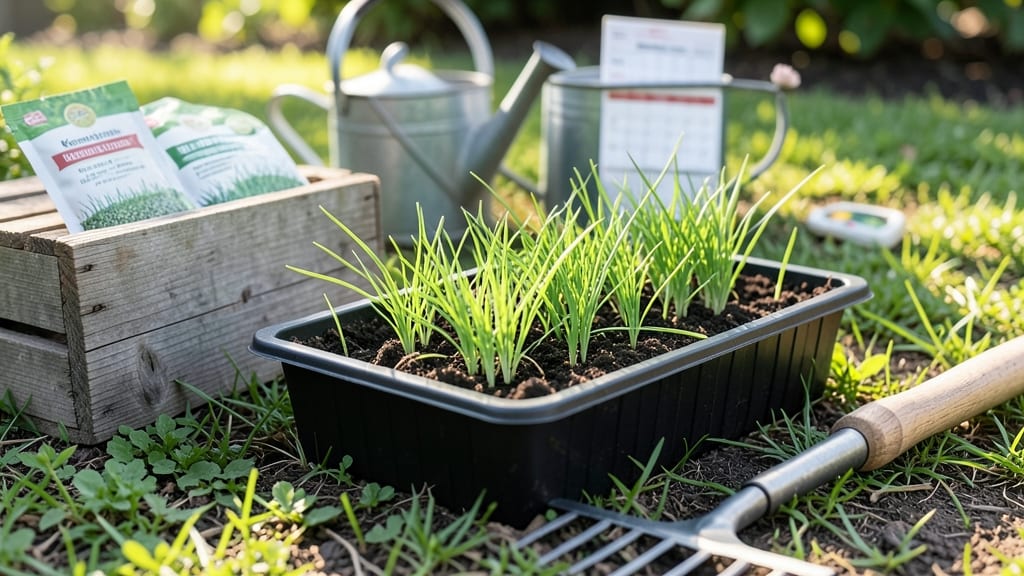
Planting grass seed in New York at the right time means the difference between a thick, green lawn and a patchy, slow-to-grow mess.
If you've ever watched your hard-earned seed wash away in a spring rainstorm or sprout too late in summer, you know timing is everything for a fast, durable lawn.
New York's climate zones—from the warmer southern regions to the cooler northern areas—create distinct planting windows. Fall and spring are the best months, but getting the exact weeks right avoids common mistakes like frost damage or overheated soil.
Below, I’ll break down the ideal planting windows for your zone, soil prep tips, and how to keep your new grass thriving once it’s in the ground.
Best months to plant grass seed in New York by climate zone
New York’s diverse climate zones—from the humid Southern region to the cooler Northern areas—create distinct windows for planting grass seed. Timing matters because seed germination thrives in specific temperature ranges, and planting too early or late can lead to poor establishment.
In Southern NY (Zones 7a-7b), you’ve got a longer growing season, while Northern NY (Zones 5a-6a) demands earlier starts to beat frost. Let’s break down the best months for each zone to ensure your lawn gets off to a strong start.
Fall is often the ideal season for planting grass seed in New York because cooler temperatures reduce stress on young seedlings, and rainfall is typically abundant. However, spring planting is also viable if you act quickly before summer heat sets in.
The key is aligning your planting with soil temperatures—50-65°F is perfect for germination—and avoiding extreme heat or frost. For cool-season grasses like Kentucky Bluegrass and Tall Fescue (common in NY), fall planting in September or early October is gold.
Southern NY (Zones 7a-7b): Your last frost date is around April 1, and first frost hits October 20-25. This means you’ve got a longer window for both spring and fall planting. Aim for late August through mid-October in fall or early April to mid-May in spring. The extra warmth lets you push your fall planting later, but avoid seeding after October 15 to prevent winter kill.
Central NY (Zones 6a-6b): Here, last frost is around April 15, and first frost arrives October 10-15. Your best bet is late August to early October for fall planting or early April to early May in spring. Central NY’s moderate climate gives you a balance—enough time for fall establishment but also a reliable spring window if you missed fall.
Northern NY (Zones 5a-5b): With last frost dates around May 15 and first frost as early as September 20, your window is tighter. Focus on late August to early September for fall planting or early to mid-May in spring. Northern NY’s shorter growing season means you must act fast—delaying past September 10 risks frost damage before roots establish.
Why does soil temperature matter so much? Grass seeds need consistent moisture and warmth to germinate. If you plant when soil temps are below 50°F, germination slows or stops entirely. Use a soil thermometer ($10 at garden centers) to check—ideal temps are 50-65°F for most cool-season grasses.
In Southern NY, you can sometimes push fall planting into early November if temps stay mild, but Northern NY demands earlier action to avoid frost.
Another critical factor is rainfall timing. Fall planting benefits from NY’s abundant autumn rains, reducing your need for frequent watering. In spring, however, you’ll need to water daily for 2-3 weeks until seedlings establish roots.
If you’re planting in drought-prone areas (common in Western NY), prioritize fall planting when natural rainfall is higher.
For cool-season grasses, which dominate NY lawns, fall planting is superior because seedlings grow strong roots before winter. Warm-season grasses (like Bermuda, rare in NY but possible in Southern zones) prefer late spring planting after last frost.
Always check your seed mix—most NY-friendly blends are cool-season, so fall is your best bet for a thick, resilient lawn.
Pro tip: If you miss the fall window, don’t despair—spring planting still works if you start early. Just be prepared to water diligently and protect seedlings from late spring frosts, which can still occur in Northern NY into early May.
Use a lightweight frost blanket if nights dip below 32°F after planting.
Remember, the goal is root establishment before winter or summer stress sets in. Whether you’re in Southern NY’s Zone 7b or Northern NY’s Zone 5a, aligning your planting with local frost dates and soil temps will give your lawn the best shot at success.
And once those seeds sprout? You’ll be rewarded with a lush, green carpet that’s the envy of the neighborhood.
How to prepare your New York lawn for grass seed planting
Getting your lawn ready for grass seed is half the battle—especially in New York’s unpredictable climate. Whether you’re planting in spring or fall, proper soil prep ensures faster germination and a thicker lawn.
I’ve learned that skipping this step can leave seeds exposed to weeds, drought, or even bird snacks! The key is creating the perfect seedbed with the right moisture, nutrients, and texture.
New York’s USDA zones 5b-7b mean you’ll face different challenges depending on whether you’re in the Southern Tier (warmer winters) or the Adirondacks (cooler summers). For fall planting (my favorite time!), aim for late August to early October when soil temps stay above 50°F but nights cool down.
Spring planting works too, but rush it after the last frost date (usually mid-April).
Step-by-Step Lawn Prep for Grass Seed
- 1 Test your soil (pH should be 6.0-7.0 for most grasses). Use a soil test kit from a garden center—NY’s clay-heavy soils often need lime or sulfur adjustments.
- 2 Remove debris—pull weeds, rake up leaves, and clear rocks. Fallen branches or thick mulch can smother seeds. Aim for a clean, bare soil surface.
- 3 Loosen compacted soil with a garden rake or aerator (rent one if needed). NY’s heavy soils compact easily—break up the top 2-3 inches for roots to penetrate.
- 4 Level the area with a lawn roller or by hand. Bumps create thin spots, while dips hold too much water. For slope areas, plant perpendicular to the grade.
- 5 Add compost or starter fertilizer (like 10-10-10 NPK). Work it into the top inch of soil. Avoid fresh manure—it can burn seeds and attract pests.
- 6 Lightly rake again to create a fine, crumbly texture—like talcum powder. This helps seeds make contact with soil and moisture. Avoid over-raking, or you’ll bury seeds too deep.
- 7 Water deeply before planting—soil should be moist but not soggy. For fall, water in the morning to avoid evening dampness (which invites fungus).
One trick I swear by? Mulch seeds lightly with straw or peat moss (not wood chips—they can steal nitrogen). This keeps moisture in and protects seeds from New York’s erratic weather, like sudden rain or wind. For spring planting, mulch after seeds sprout to retain warmth.
Timing matters just as much as technique. If you’re in Upstate NY, wait until soil temps hit 55°F for spring planting—earlier seeds may rot. In Long Island or Westchester, you’ve got more flexibility, but avoid planting when forecasted highs exceed 85°F—seeds dry out fast.
Pro tip: Use a soil thermometer ($10 at garden centers) to check temps before planting.
After planting, keep soil consistently moist (not waterlogged) for the first 3-4 weeks. I set a rain gauge near my lawn to track watering—NY’s summer droughts can sneak up fast.
Once grass reaches 3 inches tall, you can ease up on watering and start mowing (but never cut more than 1/3 of the blade height at once!).