
Plants
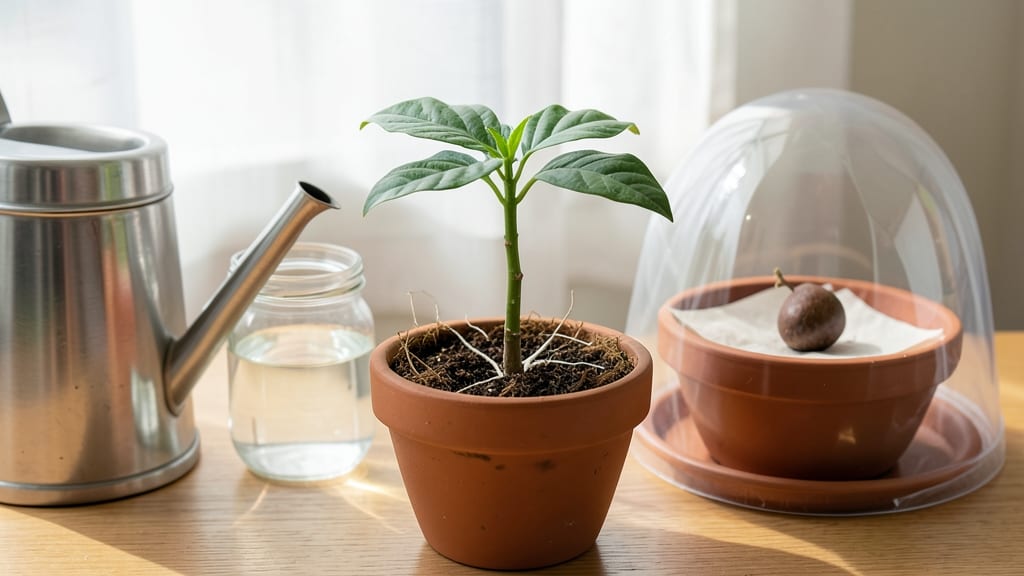
Planting an avocado seed in soil happens best when roots are 2-3 inches long and the soil stays warm, creating the perfect balance for growth.
Picture this: you’ve patiently watched your avocado pit sprout in water, but now it’s time to transfer it to soil—and timing is everything. Too soon, and the delicate roots may rot; too late, and germination slows down, leaving you waiting months for progress.
Avocados thrive in spring when soil temperatures hit 60-75°F, making it the ideal window for planting. Whether you’re in a warm climate or a cooler zone, understanding these triggers ensures your seedling gets off to the right start.
In this guide, I’ll walk you through the exact milestones to watch for, how to prepare the soil, and troubleshooting tips to avoid common timing mistakes—so your avocado tree grows strong from day one.
Optimal soil temperature & season for planting avocado seeds
Avocado seeds thrive when planted in soil with consistent temperatures between 60°F and 75°F. This ideal range triggers root development and prevents rot, but timing varies based on your local climate and whether you're planting indoors or outdoors.
Understanding these temperature triggers ensures your seedling transitions smoothly from water to soil.
In temperate climates, the best time to plant avocado seeds outdoors is during late spring or early summer when soil warms naturally. For indoor starters, you can begin the process in early spring (February-March) to give seedlings time to develop before transplanting.
Waiting until soil reaches 65°F or higher minimizes shock and encourages faster growth.
Here’s a quick reference for soil temperature triggers and seasonal planting windows:
| Climate Zone | Optimal Soil Temp | Best Planting Season | Key Considerations |
|---|---|---|---|
| Tropical (Zones 10-12) | 65°F–85°F year-round | Year-round (avoid frost) | Plant after last frost; no winter dormancy needed. |
| Subtropical (Zones 9-10) | 60°F–75°F | Spring (March–May) | Start indoors in late winter; transplant after soil warms. |
| Temperate (Zones 7-8) | 65°F–75°F | Late spring (May–June) | Wait until nighttime temps stay above 50°F to prevent cold stress. |
| Cold (Zones 6 or below) | 70°F+ (container-grown only) | Indoors (year-round) or greenhouse | Outdoor planting only in microclimates with summer heat waves. |
If you plant too early—when soil is still below 60°F—your seedling’s roots will struggle to absorb water, leading to rot or stunted growth. Conversely, waiting until late summer risks exposing young roots to heat stress or early fall frosts.
The key is to monitor soil temperature with a thermometer or wait until nighttime lows exceed 55°F.
For indoor starters, begin the germination process in warm water (70°F–75°F) to mimic ideal soil conditions. Once your seedling sprouts 2–3 inches of roots, it’s ready to transition to soil.
Use a well-draining potting mix and keep it in a bright, warm spot (like a south-facing window) until outdoor conditions align.
In USDA Zone 9 or warmer, you can plant directly into the ground as early as February if soil temps are stable. However, in Zone 7 or colder, hold off until after Memorial Day to avoid frost damage.
Always test soil temperature with a soil thermometer—it’s the most accurate way to confirm readiness.
Pro tip: If your local spring is unpredictable, start seeds indoors in water or a peat pellet by February 1st. This gives you a 6–8 week head start before transplanting outdoors.
Just be sure to harden off seedlings for 1–2 weeks before moving them to soil to reduce transplant shock.
Common mistakes include planting in cold, damp soil (which causes rot) or waiting until summer heat peaks (which stresses seedlings). Aim for early to mid-spring when days are warming but nights remain mild—this is the sweet spot for avocado seedling success.
Remember, avocado trees are sensitive to temperature fluctuations. Once planted, maintain soil temps between 65°F–80°F for optimal growth. Use mulch to regulate temperature and shade cloth if your climate swings between hot days and cool nights.
🌱
Step-by-step guide: when to transplant your avocado seedling into soil
Transplanting your avocado seedling into soil is a critical step—done too soon, and your delicate roots may rot; too late, and your seedling risks stunted growth. The key is watching for three clear milestones: root development, leaf maturity, and seedling height.
These signs tell you exactly when your avocado seedling is ready to leave its water glass and thrive in soil.
Most avocado seedlings are ready for transplanting when their roots reach 3-4 inches long and begin forming a tight root ball. At this stage, the roots should also look white and fibrous, not mushy or brown—a sign of overwatering.
Pair this with 2-3 sturdy leaves (not just the initial sprout) and a height of at least 6 inches, and you’ve hit the sweet spot for transplanting.
🌱 Step-by-Step Transplanting Timeline
- 1 Wait for 3-4 inch roots: Check roots weekly. If they’re white and fibrous and 3-4 inches long, it’s time to prep for transplanting.
- 2 Ensure 2-3 mature leaves: Your seedling should have 2-3 large, dark green leaves (not just the tiny first leaves). This means it’s photosynthesizing efficiently.
- 3 Choose a 6-8 inch pot: Use a well-draining pot with holes and fill it with a mix of potting soil and perlite (60/40 ratio). Avoid garden soil—it’s too dense.
- 4 Transplant gently: Remove the seedling from water, rinse off excess water, and place it in the pot. Bury the stem up to the first leaves—no deeper. Pat the soil lightly.
- 5 Water lightly and shade: Give it a light watering (don’t drown it) and place it in bright, indirect light for 1-2 weeks. Avoid direct sun initially—it stresses the seedling.
After transplanting, monitor your avocado seedling closely for signs of stress, like yellowing leaves or drooping. These often mean overwatering or shock from the move. If you see this, reduce watering and move it to a slightly shadier spot for a few days.
With the right timing, your seedling will adapt within 7-10 days and start growing vigorously.
Pro tip: If your seedling is still small after 2-3 months in its first pot, it’s time to upgrade to a larger container (10-12 inches). Avocados grow fast, and cramped roots slow them down.
A dwarf avocado variety like ‘Wurtz’ may stay smaller, but standard types need regular repotting every 12-18 months.
Once your seedling is thriving in soil, focus on giving it full sun (6+ hours daily) and well-draining soil. With patience, your avocado could grow into a 20-foot tree—or even produce fruit in 3-5 years if given the right care! 🌳