
Plants
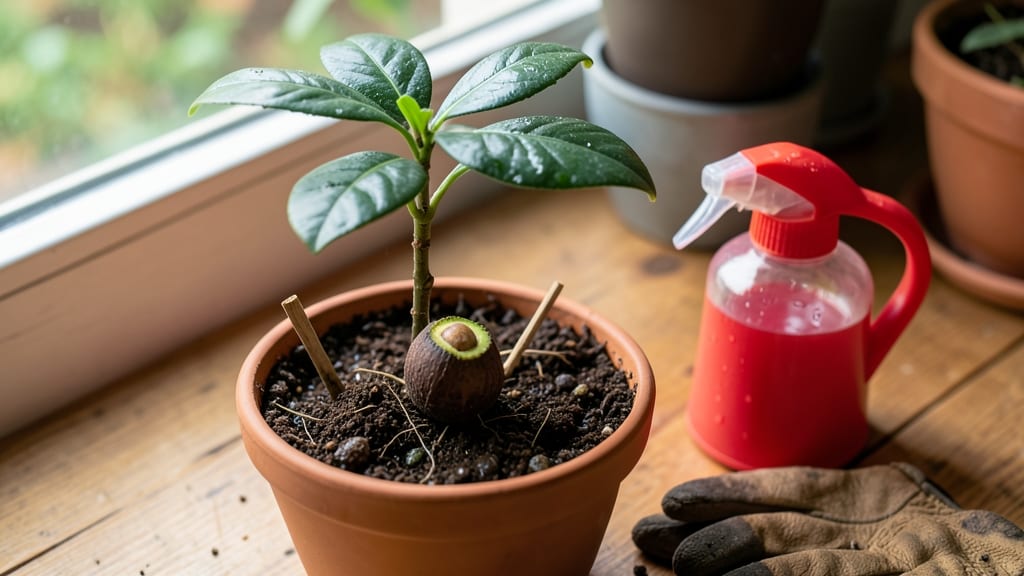
Planting an avocado seed in soil at the right time is the difference between a thriving 🥑 sapling and a sad, rotting pit.
You’ve probably heard that growing an avocado tree from seed is easy—until you realize timing is everything. Too early, and your seed will drown in soggy soil; too late, and germination slows to a crawl.
The key is knowing when soil warmth and root strength align, and that moment arrives sooner than most gardeners think.
For most regions, the best window starts indoors in late winter, when you can coax roots to form before transplanting into soil by early spring. But climate plays a role: in warmer zones, you might skip the indoor step entirely and plant directly when daytime temperatures hit 65°F.
The goal? A seedling that’s ready to handle real soil without shock.
Inside, I’ll break down the exact timeline—from seed prep to outdoor planting—so you avoid the three biggest mistakes that kill avocado seedlings before they even sprout. Spoiler: It’s not what you think.
Avocado seed germination timeline: month-by-month breakdown for indoor preparation
Starting your avocado seed indoors is the first critical step toward growing a thriving tree. The indoor germination process typically takes 6-8 weeks before your seedling is ready for soil.
Understanding the month-by-month timeline helps you avoid common pitfalls like mold, rot, or stunted growth. I’ve broken down each stage so you can track progress and adjust care as needed.
Your journey begins with a fresh avocado seed—ideally from a ripe, organic fruit. After cleaning and drying the seed, you’ll place it in water to encourage root growth.
This water germination method is gentler than direct soil planting and gives you full visibility of root development. The key is patience and consistency in maintaining the right conditions.
Here’s what to expect in the first 2 weeks: your seed will develop a 1-2 inch root system if kept in warm water. Change the water every 2-3 days to prevent bacterial growth.
Avoid using tap water with chlorine—let it sit out overnight or use filtered water instead. A clear glass jar with toothpicks supporting the seed works best for visibility.
Step-by-Step Avocado Seed Germination Timeline
- Week 1-2: Place seed in warm water (70-80°F) with 1/3 exposed. Roots sprout in 7-14 days.
- Week 3: Roots reach 1-2 inches. Change water every 2-3 days to prevent mold.
- Week 4: Roots grow 2-3 inches. Introduce humid environment (cover with plastic wrap if needed).
- Week 5-6: Roots hit 3-4 inches. Prepare well-draining soil mix (50% potting soil, 50% perlite).
- Week 7-8: Plant when roots are 4+ inches. Water lightly and place in bright, indirect light.
By week 3, your roots should be 1-2 inches long, signaling it’s time to increase humidity. Place your jar in a warm, shaded spot—direct sunlight can overheat the water. If mold appears (fuzzy spots), discard the seed and start fresh.
This is a common issue when water isn’t changed frequently enough. A small fan on low can improve air circulation and reduce mold risk.
Around week 4, roots will grow more aggressively, reaching 2-3 inches. This is when you should start preparing your soil mixture. Avocado seedlings need well-draining soil to prevent root rot.
Mix equal parts potting soil and perlite or sand for optimal drainage. A small pot with drainage holes (4-6 inches in diameter) is ideal for your young seedling.
Weeks 5-6 are all about root development and preparing for soil transplant. If roots exceed 3 inches, they’ll start circling in the water, which can stunt future growth. This is your cue to plant in soil.
Choose a pot with a drainage hole and fill it with your prepared mix. Gently place the seed halfway into the soil, ensuring the root base is covered but the top remains exposed.
Once planted, keep the soil moist but not soggy. Place your pot in a bright, indirect light area—avoid harsh sunlight, which can scorch young leaves. In week 7-8, you’ll notice the first true leaves emerging, a sign your seedling is thriving.
This is when you can gradually introduce direct sunlight for 1-2 hours per day to harden it off.
By week 8, your seedling should have 4-6 true leaves and a 4+ inch root system. If it’s still small, wait another 2 weeks before transplanting outdoors.
The goal is to ensure it’s strong enough to handle temperature fluctuations and outdoor conditions. Monitor for yellowing leaves, which may indicate overwatering or nutrient deficiencies.
Remember, every avocado seed germinates at its own pace. Some take 6 weeks, others 10 weeks. The key is consistency in water changes, light exposure, and humidity control. With patience and care, you’ll have a healthy seedling ready for its next adventure—outdoor planting! 🌱
Optimal soil planting window: when to transplant your avocado seedling outdoors
Transplanting your avocado seedling outdoors at the wrong time can stunt its growth or even kill it. The key is understanding your local USDA zone and soil temperature thresholds.
In USDA zones 9-11, you can plant as early as February, while cooler regions like zones 7-8 should wait until after last frost—typically mid-April to May. Always check your local frost dates to avoid shock.
Avocado seedlings thrive in warm soil with temperatures above 60°F (15°C). Cold soil can cause root rot or slow growth. Use a soil thermometer to confirm—if it’s below 65°F (18°C), wait a few more weeks.
In my experience, late spring is the safest bet for most gardeners in temperate climates.
Your seedling needs well-draining soil mixed with compost to prevent waterlogging. Avocados hate soggy roots, so amend heavy clay or sandy soil with organic matter. A pH between 6.0 and 7.0 is ideal. If your soil is too acidic, add crushed limestone to adjust it gradually.
| Climate Zone | Optimal Planting Time | Soil Temp Threshold | Hardening Off Period |
|---|---|---|---|
| USDA Zones 9-11 | February–March | 60°F+ (15°C+) | 2–3 weeks |
| USDA Zones 7-8 | After last frost (April–May) | 65°F+ (18°C+) | 3–4 weeks |
| USDA Zones 5-6 | Late May–June | 70°F+ (21°C+) | 4–6 weeks |
Before transplanting, harden off your seedling to acclimate it to outdoor conditions. Start by placing it outside for 1-2 hours in partial shade, then gradually increase exposure over 1-2 weeks.
Watch for wilting or yellowing leaves—these are signs it’s not ready. In my garden, I use a shade cloth for the first few days to reduce stress.
Choose a sunny spot with 6+ hours of direct sunlight daily. Avocados love heat but need protection from harsh afternoon sun in hot climates. If you’re in a container, ensure it’s at least 12 inches deep with drainage holes.
Mulch around the base to retain moisture and regulate soil temperature.
After transplanting, water deeply but infrequently—avocados hate wet feet. Let the top 2 inches of soil dry out between waterings. In the first month, monitor for pests like aphids or spider mites, which thrive on stressed seedlings.
A light spray of neem oil can prevent infestations before they start.