
Propagation
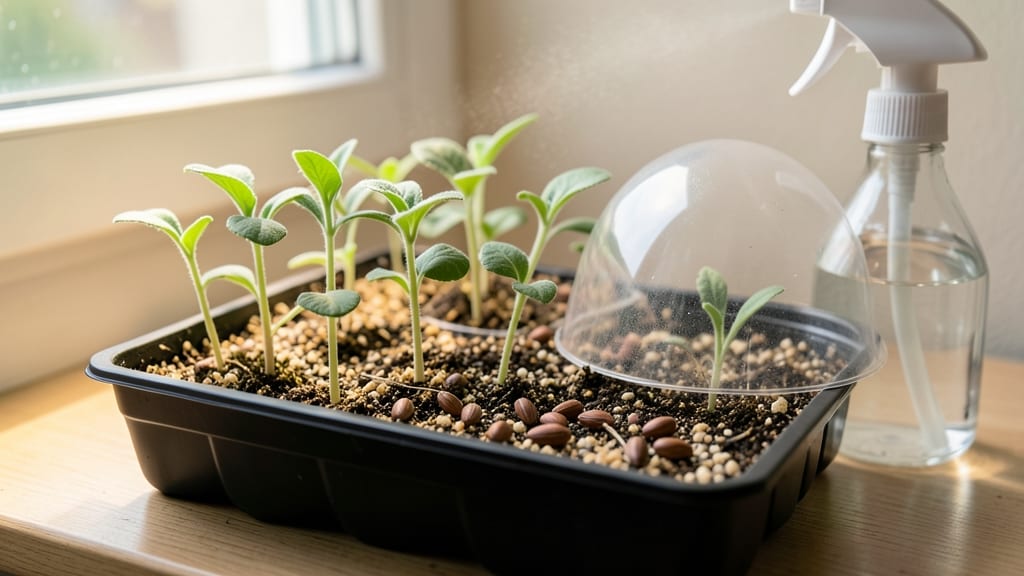
Growing snapdragons from seed indoors means fast germination without the months-long wait for store-bought transplants. ✨ I’ve learned that the key isn’t just patience—it’s creating the right conditions from day one, where seeds pop up in just 5-7 days instead of weeks.
The secret lies in warmth, moisture, and the perfect light balance, all while avoiding the dreaded damping-off that wipes out seedlings before they even stretch. Most gardeners overlook how critical the seed-starting mix is—too dense, and seeds suffocate; too loose, and they dry out.
My go-to is a 50/50 blend of seed-starting mix and perlite, which keeps roots happy while allowing just enough airflow. You’ll need shallow trays or peat pots (they transplant easily), and a heat mat set to 70-75°F—that’s the magic temperature for snapdragons to break dormancy like clockwork.
Once those first tiny leaves appear, you’ll want to harden off seedlings by week 6, gradually introducing them to outdoor conditions. The payoff?
Stocky, vibrant plants ready to bloom by early summer, with colors that range from deep burgundy to sunny yellow—far more exciting than what you’d find at a nursery. Just watch for leggy seedlings (a sign of weak light) and adjust your grow lights accordingly.
This method works for any snapdragon variety, from dwarf ‘Tiny Ruby’ to towering ‘Black Knight.’ The beauty is in the speed—no more waiting for spring to start your garden’s star show. Let’s get those seeds going!
📚 In This Guide
- What you need
- Instructions
- Tips and common mistakes
- Wrapping up and next steps
What you need
- ● Snapdragon seeds: Choose heirloom or hybrid varieties (e.g., 'Black Prince,' 'Rocket Mix'). Aim for 10–20 seeds per tray for a full display.
- ● Seed-starting trays: 2–4 cell packs (2.5–3.5" deep) or a 1020 tray (10"x20") with 72–100 cells, each with drainage holes.
- ● Seed-starting mix: 1–2 cubic feet of sterile, well-draining mix (e.g., 50% peat/coir + 50% perlite/vermiculite). Avoid garden soil—it’s too dense!
- ● Grow lights: A LED or fluorescent bulb (e.g., T5 HO 24–48W) or a full-spectrum clip light. Position 2–4 inches above seedlings for 12–16 hours/day.
- ● Plastic domes or humidity trays: To retain moisture and warmth. A clear plastic lid or humidity tent works perfectly.
- ● Spray bottle: A 16–24 oz. fine-mist bottle for gentle watering (no forceful streams!).
- ○ Heat mat (optional but helpful): A seedling heat mat (set to 70–75°F) speeds up germination.
- ● Fertilizer: A balanced liquid fertilizer (e.g., 5-5-5 or 10-10-10) diluted to ½ strength. Start 2–3 weeks after germination.
- ● Seedling labels: Toothpicks or plant markers to track varieties (especially if mixing colors!).
- ● pH test kit: Ensures your soil is 6.0–7.0 (snapdragons prefer slightly acidic to neutral).
- ● Fungicide: Neem oil or hydrogen peroxide (3%) to prevent damping-off if humidity is high.
- ● Grow tent or propagator: For extra control over light, heat, and humidity.
- ● Pruning shears: Small, sharp scissors for future thinning or transplanting.
Step-by-step instructions for growing snapdragons from seed indoors
Here’s how to bypass the slow germination struggle and get snapdragons thriving in weeks.
🌱 Step 1: Prep Seeds and Containers for Optimal Germination
Snapdragon seeds germinate best when prepped properly—this is where the speed boost happens. Soak the seeds in lukewarm water for 12 hours before planting. The outer coating softens, letting roots emerge faster. While they soak, fill 4-inch pots with a sterile seed-starting mix (never garden soil—it’s too dense). Moisten the mix until it’s damp but not soggy, then press it down lightly with your fingers.
Use 4 pots (one per seedling) to avoid overcrowding later. Tap each pot gently on the table to settle the soil—this prevents air pockets that can delay germination. I like to label each pot immediately with the variety and date, because once those first leaves pop up, they all start looking identical.
💧 Step 2: Plant Seeds at the Right Depth and Temperature
After soaking, plant 1 seed per pot at a depth of ¼ inch—any deeper and they’ll struggle to break through. Gently press the soil around the seed to secure it, then mist the surface with water until evenly damp. Here’s the trick for speed: place the pots on a seedling heat mat set to 70-75°F. This keeps the soil warm enough for germination in 7-10 days (instead of the usual 2-3 weeks).
Cover the pots loosely with plastic wrap to trap humidity, but leave a tiny gap for airflow. Check daily for condensation—if you see water droplets on the plastic, remove it for 30 minutes to prevent fungal issues. Snapdragons hate soggy conditions, so avoid watering from above once seeds are planted. Instead, bottom-water by placing the pots in a tray of ½ inch of water for 10 minutes.
☀️ Step 3: Provide Light and Monitor for Sprouting
The moment you see the first tiny green sprouts (usually 7-10 days after planting), remove the plastic wrap immediately. Snapdragons need 12-14 hours of bright light daily—a south-facing window works, but most homes don’t have enough intensity. I use a grow light mounted 3 inches above the seedlings and adjust it as they grow. Without enough light, they’ll stretch leggy and weak, which is a common rookie mistake.
Watch for first true leaves (the second set after the initial seed leaves)—this is your cue to start fertilizing lightly with a balanced liquid fertilizer diluted to half strength. You’ll know the light is right when the seedlings have bold green leaves and compact stems (not stretched out). If they lean toward the light, rotate the pots a quarter turn daily to encourage even growth.
✂️ Step 4: Thin and Harden Off for Outdoor Success
Once seedlings have 3-4 sets of true leaves (about 4-6 weeks after sowing), it’s time to harden them off. Start by moving the pots outside to a shaded, sheltered spot for 1 hour the first day. Gradually increase exposure over 10-14 days, ending with full sun and wind for a full day. This toughens them up so they don’t bolt or wilt when transplanted.
If you’re growing 4 plants, now’s the time to decide where they’ll go. Snapdragons thrive in full sun to partial shade and well-draining soil. Space them 12-18 inches apart in the garden or larger containers. I like to transplant on a cloudy afternoon to reduce shock—water deeply right after to settle the roots.
🌿 Step 5: Maintain for Blooms in 8-10 Weeks
After transplanting, keep the soil evenly moist but not waterlogged—snapdragons wilt fast if they dry out. Pinch back the top set of leaves when seedlings are 6 inches tall to encourage bushier growth. This is non-negotiable if you want those classic snapdragon spikes. Deadhead spent blooms regularly to prolong flowering, and fertilize every 2-3 weeks with a low-nitrogen formula (like 5-10-5) to keep them blooming.
Here’s the payoff: with this method, you’ll see first blooms in 8-10 weeks from seed. The key was the seed soak + heat mat combo—skipping either step adds weeks to germination. Now, go enjoy those vibrant flowers without the usual wait!
Tips & tricks for fast snapdragon germination
Speeding up snapdragon growth starts with these key strategies—because patience isn't always rewarded in gardening.
Seed Soaking Precision: The 12-hour soak is non-negotiable for breaking dormancy, but here's the secret: use lukewarm water (around 80°F) rather than hot or cold. Too hot can damage delicate seeds, while cold water slows the softening process. I place the seeds in a small glass jar with water and set it on my kitchen counter near the warm oven—just enough heat to maintain that perfect temperature. After soaking, drain them immediately and plant within 30 minutes to prevent drying.
Heat Mat Hack: That 70-75°F heat mat range is critical, but not all heat mats are created equal. I've found that thermostatically controlled mats (around $25-$35) are worth the investment—they maintain consistent warmth without overheating. Place a small thermometer on the mat surface to verify the temperature daily. If your home runs cool, add a second layer of insulation like a foam mat underneath the heat mat to help retain warmth more efficiently. This consistency cuts germination time nearly in half.
Lighting Troubleshooting: When you see those first sprouts after 7-10 days, resist the urge to rush them into full sun. Snapdragons need 12-14 hours of light daily, but intensity matters more than duration. I've learned the hard way that cheap LED bulbs can fool you into thinking they're sufficient—they're not. Opt for full-spectrum grow lights (like T5 fluorescents) and position them 3 inches above seedlings. Watch for etiolation (those long, leggy stems) as your first warning sign of insufficient light. If you notice this, immediately move the light closer or increase the duration to 16 hours daily temporarily.
Harden Off Gradually: The 10-14 day hardening process is where many seedlings fail. Start with just 1 hour of outdoor exposure on day one, but here's what I do differently: I place the pots in dappled shade (under a tree or sheer curtain) rather than full shade. This introduces variable light conditions that mimic real garden environments. On days 3-5, I add 15-30 minutes of direct morning sun while keeping them protected from harsh afternoon rays. This gradual transition prevents the shock that causes seedlings to wilt dramatically when transplanted.
Pro Tips for Grow Snapdragons From Seed Indoors
- Speeding up snapdragon growth starts with these key strategies—because patience isn't always rewarded in gardening.
- Seed Soaking Precision: The 12-hour soak is non-negotiable for breaking dormancy, but here's the secret: use lukewarm water (around 80°F) rather than hot or cold.
- Heat Mat Hack: That 70-75°F heat mat range is critical, but not all heat mats are created equal.
Frequently asked questions
Got questions about growing snapdragons from seed indoors? You’re not alone! Here are some of the most common concerns—and their easy solutions—to help you succeed with your snapdragon seedlings.
How long does it take for snapdragon seeds to germinate indoors?
Snapdragon seeds typically germinate in 7–21 days indoors, depending on temperature and moisture. Keep soil consistently moist (not soggy) and maintain warmth (around 70°F) for the best results. Patience is key—some seeds may take longer, especially if the environment isn’t ideal.
Can I use regular potting soil for snapdragon seeds?
While you can use regular potting soil, a seed-starting mix is ideal because it’s lighter, sterile, and drains well. If you’re using potting soil, mix in perlite or vermiculite (20%) to improve aeration and prevent damping-off disease. Avoid garden soil—it’s too dense and may harbor pests or fungi.
What’s the best way to thin snapdragon seedlings if they get too crowded?
Once seedlings have 2–3 sets of true leaves, thin them to 3–4 inches apart by snipping (not pulling) the weakest stems with clean scissors. This reduces competition for light and nutrients. Replant the thinned seedlings in separate pots or share them with fellow gardeners!
Why are my snapdragon seedlings stretching (leggy) and weak?
Leggy seedlings usually mean too little light. Move your trays to a south-facing window or use a grow light 2–3 inches above the plants for 12–16 hours daily. Avoid overcrowding and keep soil warm (not cold). If caught early, leggy seedlings can often recover with better light.
Can I grow snapdragons from seed indoors year-round?
Yes! Snapdragons thrive indoors with proper lighting and temperature control. Start seeds 8–10 weeks before your last frost date for outdoor transplanting, or grow them as container plants year-round in bright windows or under grow lights. Just ensure they get 6+ hours of light daily to prevent stretching.
What’s the fastest way to speed up germination?
For quicker germination, soak seeds in warm water for 24 hours before planting, then use a seed heating mat (70–75°F) to maintain warmth. Keep the soil moist but not waterlogged and cover trays with plastic wrap until sprouts appear. This can cut germination time by 3–5 days!
Wrapping up and next steps
Growing snapdragons from seed indoors is a rewarding journey that brings vibrant blooms to your garden—without the long wait! By following these steps, you’ll enjoy fast germination, sturdy seedlings, and a burst of color in your outdoor space. 🌱
Now that you’re equipped with the know-how, take the next step: prepare your outdoor garden beds or containers for transplanting. With patience and care, your snapdragons will thrive and reward you with stunning, fragrant flowers all season long. Happy gardening! 🌸