
Plants
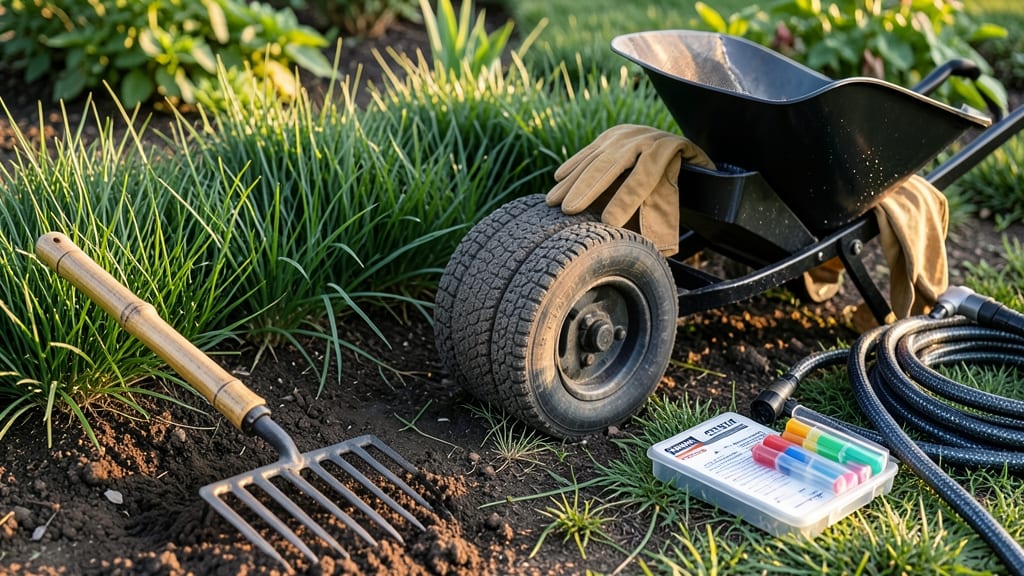
Planting grass seed in New York at the right time is the difference between a thick, green lawn and a weed-infested battleground.
New York’s unpredictable climate makes timing your grass seed planting critical—plant too early, and frost ruins your efforts; too late, and weeds take over. But late summer holds the secret to a lush, weed-resistant lawn that thrives year-round.
In zones 5a-7b, the best window is late August through early October, when soil stays warm enough for germination but before winter’s chill sets in. This timing lets your grass establish strong roots before the first frost hits around October 15.
Below, I’ll break down the exact dates for your region, soil prep tricks to outsmart weeds, and how to protect your new grass from late-season surprises—so you can skip the guesswork and get a lawn that lasts.
Best late summer planting windows for New York lawns (with exact dates)
New York’s late summer planting window offers the perfect balance between soil warmth and cooling temperatures—ideal for establishing cool-season grasses like Kentucky bluegrass and tall fescue. Unlike spring, late summer avoids competition from weeds and dormant pests, giving your lawn a head start before winter.
But timing is everything: plant too early, and summer heat stresses seedlings; too late, and frost arrives before germination.
The optimal late-summer planting window in New York spans from mid-August to early October, with regional variations based on microclimates.
For example, NYC and Long Island (USDA zones 7a-7b) can extend planting slightly later due to urban heat islands, while Upstate NY (Adirondacks, Catskills) in zones 5a-6a may need to start earlier. Soil temperatures should ideally stay between 60°F and 75°F for 4-6 weeks post-planting to encourage root growth.
Here’s the exact planting timeline broken down by region, including first frost risk dates to avoid:
For Upstate NY, where cooler microclimates dominate, I recommend starting as early as late July to ensure seeds germinate before September frost.
In contrast, NYC’s urban heat island effect can push planting dates 2 weeks later—but monitor soil moisture closely, as concrete and asphalt retain heat, drying out seeds faster.
Pro tip: Use a soil thermometer to confirm temperatures. If readings drop below 50°F at night, delay planting or use row covers to protect seedlings. Perennial ryegrass germinates fastest (5–10 days) in warm soil, while Kentucky bluegrass takes 14–21 days—plan accordingly to maximize your window.
Adjust for elevation changes: Areas like Catskills or Adirondacks at 2,000+ feet may need to plant 3–4 weeks earlier than valley regions. Check local weather forecasts for 10-day outlooks—a 5-day stretch above 70°F after planting can stress seedlings, even in late summer.
If you’re in Western NY, like Buffalo or Rochester, aim for mid-August planting. The Lake Erie breeze can create a cooler microclimate near the shore, extending your window by 10–14 days compared to inland areas.
For Central NY, like Syracuse or Utica, prioritize early September to avoid early October frost, which can kill young grass before it establishes.
Remember: Late summer planting in New York isn’t just about dates—it’s about soil conditions. Test your soil’s pH (ideal: 6.0–7.0) and organic matter before seeding. Amend with compost or peat moss if needed, and consider a pre-emergent herbicide 2 weeks
How to prepare your New York soil for fall grass seed success
New York’s compacted clay soils and variable pH levels can derail even the best grass seed intentions. But with the right prep, your lawn will establish thick, weed-resistant roots before winter sets in.
The key? Testing your soil’s pH (aim for 6.0-7.0), loosening dense layers, and suppressing weeds before seeding.
Start by testing your soil’s pH—most NY lawns lean acidic (below 6.0). Use a home test kit or send a sample to Cornell Cooperative Extension. If your soil’s pH is too low, add pelletized lime (apply 2-3 weeks before planting).
For alkaline soils (above 7.0), work in sulfur or peat moss to lower the pH gradually.
⏰ When to Plant Grass Seed in New York
✅ Pros of Fall Planting
- Cooler temps reduce stress on seeds
- Weeds are dormant, giving grass a head start
- 6-8 weeks of growth before winter
- Lower watering needs than summer
❌ Cons of Fall Planting
- Early frost risk if planted too late
- Weeds may resprout if not suppressed
- Soil compaction from fall rains
- Limited time to correct mistakes
Next, loosen compacted soil with a core aerator (rent one if needed). Focus on high-traffic areas where soil is hardest. For bare spots, till the top 4 inches to break up clay layers. After aerating, remove debris and level the area with a rake—this ensures even seed-to-soil contact.
Weed suppression is critical in NY’s humid climate. Apply a pre-emergent herbicide like pendimethalin 2-3 weeks before seeding to block crabgrass and chickweed. For organic options, use corn gluten meal (apply at 20 lbs per 1,000 sq ft)—it’s a natural pre-emergent that also adds nitrogen.
Now for the grass seed choice: NY’s cool-season climate favors tall fescue (drought-tolerant, deep roots), Kentucky bluegrass (spreads aggressively, needs more water), or perennial ryegrass (fast germination, great for overseeding). For most NY yards, a mix of tall fescue (60%) and Kentucky bluegrass (40%) balances resilience and beauty.
Finally, amend your soil with 2-3 inches of compost or well-rotted manure to improve drainage and fertility. Lightly rake it in, then water deeply to settle the amendments. Your soil is now ready for seeding—just plant within 24 hours to avoid crusting.