
Plants
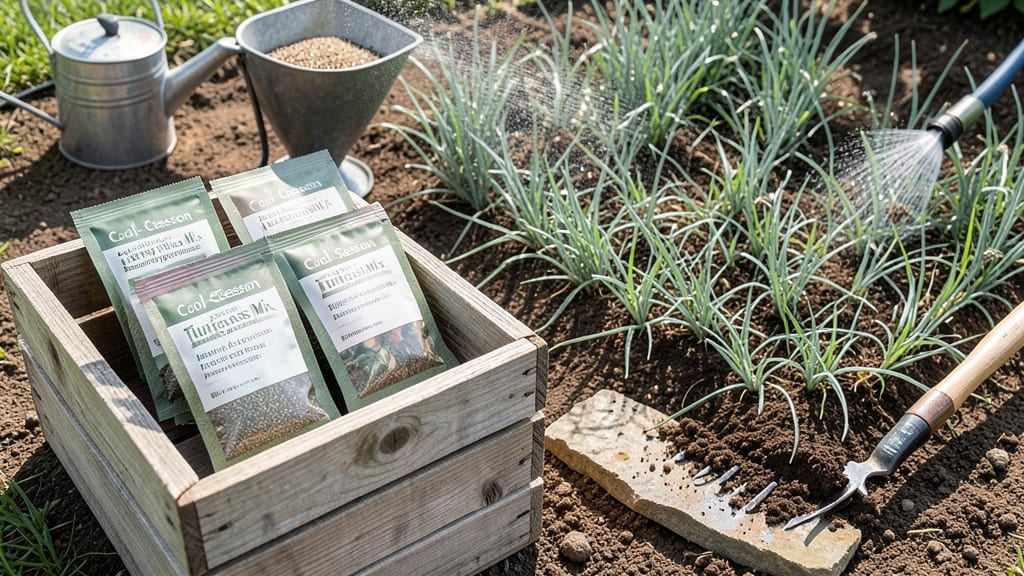
Planting grass seed in Northern NJ between early spring and early fall is the key to a lush lawn—timing that avoids the brutal summer heat or winter frost.
Timing is everything when planting grass seed in Northern NJ’s Zone 6B climate—plant too early or late, and your lawn could struggle with weeds, pests, or poor germination.
You’ve probably heard that spring is ideal, but the real magic happens in early fall when soil stays warm long enough for roots to take hold before the first frost.
Below, I’ll break down the exact soil temperatures to aim for, the best grass varieties for fast germination, and how to prep your soil for success in just 3 simple steps.
Optimal planting windows for Northern NJ grass seed by season
Northern NJ’s Zone 6B climate creates unique challenges for grass seed germination. The key to a lush lawn lies in planting during the ideal soil temperature window of 50–65°F, when weeds are less aggressive and moisture retention is optimal.
Missing this window can lead to slow growth, weed competition, or even seed death from extreme heat or cold.
For most cool-season grasses (like tall fescue and Kentucky bluegrass), the best planting times are early spring and early fall. These periods align with soil temperature thresholds that promote rapid germination while avoiding summer drought or winter freeze.
Let’s break down the exact windows and what to watch for in Northern NJ’s microclimates.
🌱 Pro Tip: Use a soil thermometer to confirm temperatures before planting—this small tool can save you from costly mistakes.
| Season | Best Months | Soil Temp (°F) | Weather Risks | Germination Time |
|---|---|---|---|---|
| Early Spring | March–April | 50–65°F | Late frosts, uneven soil warmth | 10–21 days |
| Late Spring | May | 60–70°F | Heat stress, weed competition | 7–14 days |
| Early Fall | September–October | 55–65°F | Early frosts, drying winds | 14–21 days |
| Late Fall | November | Below 50°F | Seed dormancy, frost damage | Poor germination |
🌡️ Soil Temperature is Critical: Use a thermometer to avoid planting when temps exceed 70°F or drop below 45°F.
Spring planting in Northern NJ should begin as soon as the soil warms consistently above 50°F, typically mid-March to early April.
This timing allows seeds to germinate before summer heat arrives. Late April plantings risk heat stress, especially in exposed areas, while early March plantings may face late frosts that delay growth.
For fall planting, aim for late August through September—this gives grass roots time to establish before winter. Planting in October risks early frosts, while July or August plantings face intense heat and drought, which can scorch young seedlings.
Northern NJ’s microclimates (e.g., coastal vs. inland areas) may shift these windows by 1–2 weeks, so monitor local forecasts.
If you’re seeding in shady areas, prioritize perennial ryegrass, which tolerates cooler soil temps better than tall fescue. In full-sun lawns, tall fescue thrives in both spring and fall windows, thanks to its deep root system that handles temperature fluctuations.
🌿 Key Consideration: Avoid planting during peak summer (June–August) or winter (December–February). Summer heat dries out seeds, while winter frosts prevent germination entirely.
To extend your planting window, use starter fertilizer with phosphorus to boost root growth. This is especially helpful in Northern NJ’s clay-heavy soils, where moisture retention can become an issue. Always water deeply after planting—1 inch per week—to keep soil consistently moist until germination.
For overseeding existing lawns, early fall (September) is ideal. The cooler temps reduce weed competition, and established grass provides shade for new seedlings. If you must plant in spring, do it in March or early April before weeds like crabgrass become aggressive.
Remember: Northern NJ’s Zone 6B means your last frost typically arrives around April 15, and first frosts hit by October 15. Plan accordingly to maximize your lawn’s potential! 🌱
How to prepare Northern NJ soil for grass seed success
Northern NJ’s Zone 6B climate and clay-heavy soils demand extra prep work before planting grass seed. Without proper soil preparation, your new lawn could struggle with poor drainage or nutrient deficiencies. I’ve learned that organic matter and pH balance are the foundation for fast germination and lush growth.
Start by testing your soil’s pH level—ideal for grass is 6.0 to 7.0. Northern NJ soils often lean acidic, which can stunt root development.
If your test shows a pH below 6.0, I recommend adding pelletized lime (follow package rates) and mixing it into the top 4-6 inches of soil.
⚠️ callout warning ⚠️
⚠️ Critical Timing Alert for Northern NJ
Don’t till or amend soil more than 2 weeks before planting—this gives amendments time to integrate without leaching nutrients. For early fall planting (Sept-Oct), complete soil prep by mid-August. For early spring (March-April), finish by late February to avoid erosion risks.
Next, till the soil to a depth of 3-4 inches, breaking up clay compaction and improving aeration. For heavy clay soils common in areas like Bergen County, I add sand and compost in equal parts to improve texture.
Sandy soils in Morris County benefit from extra organic compost to retain moisture.
Spread a 2-inch layer of compost over the tilled area, then lightly rake it in. This boosts microorganisms and provides slow-release nutrients. For faster results, I mix in a slow-release fertilizer (10-10-10 ratio) at half the recommended rate. Avoid over-fertilizing—too much nitrogen can burn young grass seedlings.
Finally, level the soil with a lawn rake, removing rocks and debris larger than ½ inch. A smooth surface ensures even seed-to-soil contact, which is critical for uniform germination. For areas with poor drainage, create a slight slope (¼ inch per foot) to encourage water runoff.
After prep, lightly water the soil until it’s moist but not soggy—this mimics spring rains and signals seeds it’s time to sprout. I set up a gentle sprinkler system to maintain consistent moisture for the first 10-14 days, keeping the top inch of soil damp.
This step alone can double your germination rate in Northern NJ’s variable climate. 🌱