
Plants
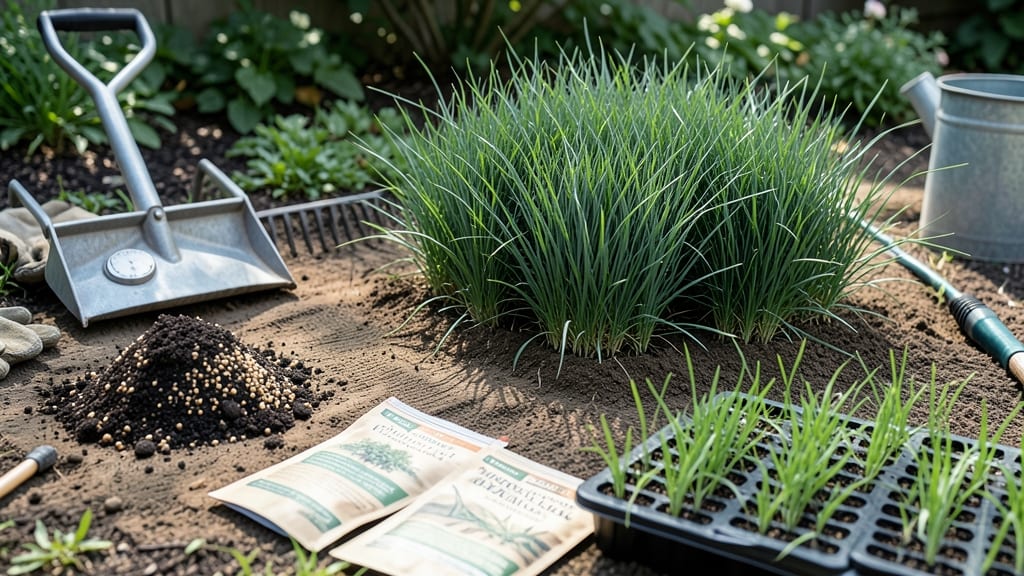
To plant grass seed in Northern Virginia, aim for early spring (March–April) or early fall (September–October) when soil temperatures hover between 60–75°F and frost risks are low.
Planting grass seed at the wrong time in Northern Virginia can leave your lawn vulnerable to frost damage, weeds, or weak root development—so timing is everything for a lush, resilient yard. 🌱
Northern Virginia’s 7a-7b climate means you’ve got a narrow window between the last frost (around March 15) and the first chill of fall. Miss those months, and you risk seed washing away in spring rains or struggling to establish before winter sets in.
Below, I’ll break down the best months for planting, how to prep your soil for success, and the 3 critical steps to keep your new grass thriving once it’s in the ground.
Northern Virginia grass seed planting calendar: best months by season for strong root establishment
Timing your grass seed planting in Northern Virginia's USDA Zones 7a-7b makes all the difference between a thick, green lawn and a patchy, weak one.
With last frost dates around March 15 and first frosts arriving November 15, you have two prime windows: early spring and early fall. These periods offer ideal soil temperatures (60-75°F) and moderate rainfall for germination.
Spring planting gives grass a full growing season before summer heat, while fall planting allows seeds to establish deep roots before winter dormancy. Both strategies work, but fall is often preferred because cooler temps reduce weed competition and water stress.
Let's break down the exact months and conditions for each season.
🌱 Did You Know? Northern Virginia's 180 frost-free days create a 6-month growing window—perfect for grass establishment if you time it right. Missing this window can delay your lawn's maturity by a full year!
| Season | Best Planting Months | Soil Temp (°F) | Key Conditions | Establishment Time |
|---|---|---|---|---|
| Spring | March-April | 55-75°F | After last frost, moderate rain | 4-6 weeks to full coverage |
| Early Fall | September-October | 60-70°F | Before first frost, cooler temps | 3-5 weeks to full coverage |
| Avoid | May-August | Above 80°F | Extreme heat, drought risk | Poor germination, weed competition |
| Marginal | February, November | Below 50°F or above 75°F | Frost risk or drying soils | Delayed growth, higher failure rate |
For spring planting (March-April), aim to sow seeds 2-4 weeks after your last frost date. In Northern Virginia, this typically means mid-to-late March for most years. The soil should warm to 55°F+ at 4 inches deep—test with a soil thermometer or check local NOAA frost data.
Spring-planted grass needs consistent moisture as summer heat arrives.
If you choose fall planting (September-October), focus on early September before temperatures drop below 70°F. This timing gives seeds 6-8 weeks of warm soil before winter dormancy. Fall-planted grass often outperforms spring because cooler temps reduce weed pressure and encourage deeper roots before winter.
Your grass seed variety also affects timing. Cool-season grasses like Kentucky Bluegrass and Tall Fescue (common in VA) thrive when planted in fall or early spring. Warm-season grasses like Zoysia (less common in 7a-7b) need late spring planting, but they're not ideal for Northern VA's climate.
Watch for soil temperature warnings: If temps drop below 50°F or rise above 80°F, germination slows dramatically. Use a soil thermometer ($10 at garden centers) to check depths—4 inches deep is critical for accurate readings. Pro tip: Morning soil temps are most reliable for planning.
After planting, watering schedules change by season. In spring, water daily for 15-20 minutes until seeds sprout (about 7-14 days). In fall, reduce to every other day as cooler air holds more moisture. Always water early morning to prevent fungal diseases like dollar spot.
Don't forget: Northern VA's microclimates vary. Areas near Mount Vernon or Great Falls may have earlier last frosts (March 1), while Leesburg or Manassas might see frost until March 20. Check your local CoCoRaHS station for precise frost data—it's worth the 5-minute search!
For a guaranteed green lawn, combine proper timing with soil prep (next section!) and consistent care. Plant at the right time, and your grass will outcompete weeds and survive Northern VA's humidity like a pro. 🌱
How to prepare Northern Virginia soil for grass seed planting: soil tests, pH adjustments, and weed control
Northern Virginia’s clay-heavy soils and compacted lawns often need extra prep before grass seed can thrive. Testing your soil’s pH and organic matter levels is the first critical step—most grass varieties prefer a 6.0-7.0 pH range.
Without proper prep, even the best grass seed may struggle to germinate or establish strong roots in our humid subtropical climate.
Start by removing all existing weeds and debris—this isn’t just about aesthetics. Weeds compete aggressively with grass seedlings for nutrients and water, especially in Northern VA’s warm springs and falls. A thorough cleanup ensures your new grass has the best possible start.
I’ve found that a combination of hand-pulling and a pre-emergent herbicide (applied 2-4 weeks before planting) works best for me.
⚠️ WARNING: Common Mistake in Northern VA Planting grass seed on compacted or poorly prepared soil leads to weak root systems and patchy growth.
Northern Virginia’s heavy clay soils often need aeration (core aeration in spring/fall) and organic matter (compost or peat moss) to improve drainage and structure. Skipping this step can reduce germination rates by up to 40%—don’t let your hard work go to waste! ⚠️
After clearing weeds, test your soil’s pH using a home test kit (available at garden centers). If your soil tests below 6.0, mix in pelletized lime (follow package rates) 4-6 weeks before planting.
For soils above 7.0, incorporate sulfur or peat moss to lower the pH gradually. I’ve had great success with composted manure or well-rotted leaf mold to boost organic matter while adjusting pH naturally.
Next, loosen the top 2-3 inches of soil with a garden rake or tiller. This breaks up compaction and creates a seed-friendly environment. For heavily compacted areas, rent a core aerator to pull small soil plugs—this improves water and nutrient penetration dramatically.
After aerating, spread a starter fertilizer (high in phosphorus) to encourage root development before seeding.
Finally, create a fine, level seedbed by raking again. Grass seeds need good soil contact for germination, so avoid deep furrows or clumps. If your soil is sandy, mix in compost to retain moisture; if it’s clay-heavy, add perlite or coarse sand to improve drainage.
A light rolling with a lawn roller (optional) helps ensure consistent seed-to-soil contact across your entire lawn area.
With your soil tested, amended, and weed-free, you’re ready for the next step: choosing the right grass seed variety for Northern Virginia’s climate. Remember, proper soil prep now will save you time and frustration during the growing season—your future lawn will thank you! 🌱