
Plants
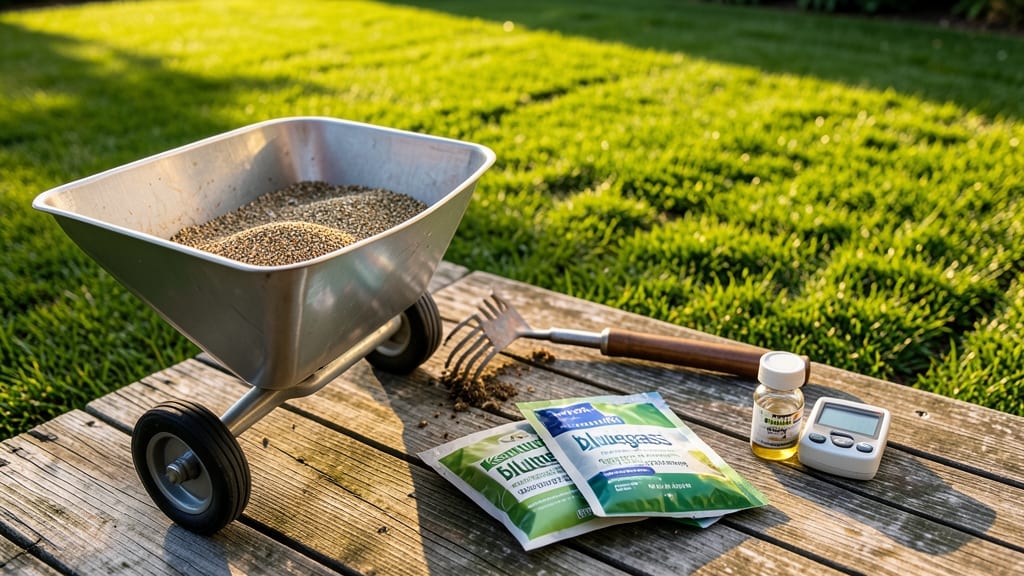
Planting grass seed in Michigan at the right time can mean the difference between a thick, green lawn and a patchy, struggling mess—especially when you’re working with 5b-6b zone challenges.
Michigan’s unpredictable weather can turn a lush lawn into a battleground unless you time your grass seed planting perfectly. The secret to deep roots and year-round resilience lies in a narrow 6-week window that most gardeners miss.
You might think spring is the best time, but late summer—from mid-August to early October—gives grass the ideal conditions to establish strong roots before winter. This window avoids the heat stress of summer while ensuring the soil stays warm enough for germination.
In this guide, I’ll walk you through the exact timing, soil prep, and care tips to ensure your grass thrives—no matter where you are in the state.
Michigan’s ideal grass seed planting timeline: late summer’s 6-Week window explained
Michigan’s cool-season grasses thrive when planted during a precise 6-week window in late summer. Unlike spring planting, this period gives seeds time to establish deep roots before winter dormancy.
The ideal window runs from mid-August to early October, when soil temperatures hover between 50°F and 65°F—perfect for germination without heat stress.
This timing leverages Michigan’s natural rainfall patterns and cooler temperatures, reducing watering demands while preventing summer drought stress. Cool-season grasses like Kentucky bluegrass and tall fescue grow best when planted in this window, as they need 4–6 weeks to establish before the first frost.
| Planting Window | Soil Temp (°F) | Rainfall (in/week) | Key Advantage |
|---|---|---|---|
| Mid-August | 65–75°F | 1.5–2.5" | Warm soil, natural moisture |
| Late August | 60–70°F | 1.2–2.0" | Peak germination rates |
| September | 55–65°F | 1.0–1.8" | Root establishment |
| Early October | 50–60°F | 0.8–1.5" | Pre-frost hardening |
The science behind this window lies in Michigan’s USDA Zones 4b–6a, where late summer offers the perfect balance of warm days and cool nights. Soil stays moist longer, and seeds avoid the heat stress of summer planting.
By early October, grasses have 4–6 inches of roots, making them resilient against winter freeze-thaw cycles.
Northern Michigan’s shorter growing season demands earlier planting (late August), while southern regions can extend to mid-October. Always check your last frost date—aim to plant 6 weeks before the first expected frost to ensure full establishment.
Spring planting (March–April) is riskier due to drought-prone conditions and weed competition. Seeds planted too early may dry out before germinating, while late spring plantings struggle with summer heat. The late-summer window eliminates these risks by aligning with Michigan’s natural moisture cycle.
To maximize success, test your soil’s pH (6.0–7.5) and moisture levels before planting. Cool-season grasses need consistent watering (1/2 inch per week) for the first 3 weeks. Use a light straw mulch to retain moisture and protect seeds from bird foraging.
Avoid planting after mid-October, as seeds won’t have enough time to establish before winter. If you miss the window, wait until early spring (March–April), but be prepared for higher maintenance due to summer drought risks.
For Michigan’s clay-heavy soils, aerate 2–3 days before planting to improve seed-to-soil contact. Overlap seeds slightly if planting in patchy areas to ensure uniform germination. With the right timing, your lawn will emerge dense and drought-resistant by next spring.
Pro tip: Mark your calendar for September 15th—this is the sweet spot for most of Michigan. By then, soil temps are ideal, and rainfall is reliable, giving your grass the best chance to thrive.
How to prepare your Michigan lawn for fall grass seed success
Michigan’s clay-heavy soils and variable weather demand extra prep work before planting grass seed. Without proper preparation, seeds struggle to germinate, leading to patchy lawns. The key is creating an ideal seedbed that holds moisture while allowing roots to establish before winter sets in.
Northern Michigan’s shorter growing season (USDA Zone 4b-5a) requires earlier prep—starting in early August—while southern Michigan (Zone 5b-6a) can wait until late August. Both regions benefit from soil testing and pH adjustment to ensure optimal conditions for cool-season grasses like Kentucky bluegrass or tall fescue.
- Step 1
- Step 2
- Step 3
- Step 4
- Step 5
- Step 6
Use a soil test kit to check pH. Michigan’s clay soils often test 6.0-7.0. For cool-season grasses, aim for 6.0-7.0 pH. Add lime (for pH <6.0) or sulfur (for pH >7.0) 4-6 weeks before planting.
Apply a pre-emergent herbicide (like pendimethalin) 2 weeks before planting to kill weed seeds. Mow existing grass short (1-1.5 inches) and remove thatch with a dethatching rake to expose bare soil.
Rent a core aerator to create 1/2-inch deep holes every 2-3 inches. For compacted clay, use a rototiller to break up soil to a depth of 3-4 inches. Smooth the surface with a lawn roller to eliminate low spots.
Spread a high-phosphorus fertilizer (e.g., 10-20-10) at 1/2 lb per 100 sq ft. Phosphorus promotes root development, while potassium strengthens disease resistance. Lightly rake fertilizer into the top 1/4 inch of soil.
Use a garden rake to create a smooth, firm surface with slight ridges to help seeds make contact with soil. For clay soils, mix in compost (1 inch deep) to improve drainage and nutrient retention.
Soak the soil to a depth of 4-6 inches the day before seeding. This ensures seeds stay hydrated during germination and prevents soil crusting after planting.
For northern Michigan, prioritize earlier steps (soil testing by July) due to shorter fall windows. Southern Michigan can extend prep into early September, but avoid planting after mid-October—seeds won’t establish roots before frost. After seeding, keep soil consistently moist (not soggy) for the first 3-4 weeks.
Pro tip: Use a straw mulch (not hay) to cover seeds—it retains moisture while allowing sunlight to reach new shoots. Remove mulch once grass reaches 2-3 inches tall to prevent thatch buildup.
With this prep, your Michigan lawn will have deep roots and year-round resilience, even through harsh winters. The effort upfront pays off in a thicker, greener lawn by next spring. 🌱