
Plants
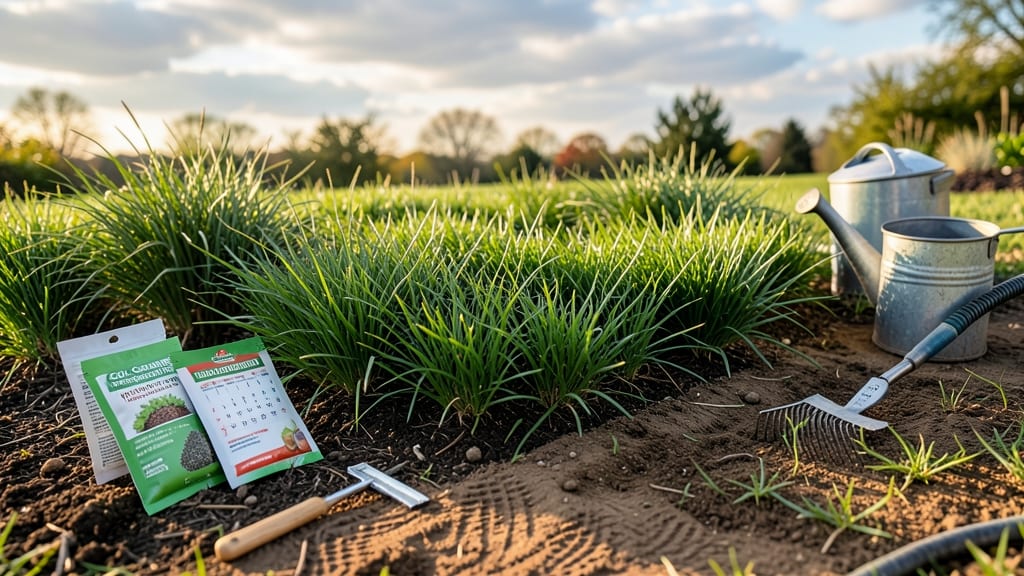
Planting grass seed in Michigan too late risks winter kill, but the exact deadline depends on your hardiness zone and soil temperature—typically late September to mid-October for most of the state.
Michigan’s unpredictable fall weather can leave you wondering: Is it still worth planting grass seed in October? Plant too late, and you risk winter kill—plant too early, and summer droughts may take over.
Here’s the exact deadline by zone and soil temperature to maximize your lawn’s survival. In zones 5b-6b, aim to plant when soil temps stay above 50°F for at least 4 weeks before the first frost.
Below, I break down the last safe planting dates, seed selection tips for late-season success, and how to protect your new 🌱 from Michigan’s harsh winters.
Michigan’s last planting deadline for grass seed by hardiness zone (with soil temperature rules)
Michigan’s USDA hardiness zones 5a-6b create a tricky balance for grass seed planting. Cool-season grasses like Kentucky bluegrass and tall fescue thrive in fall, but pushing too late risks winter kill from frost. The key? Soil temperature—seeds need 50°F+ for 4+ weeks to germinate properly before dormancy sets in.
Most Michigan gardeners aim for early September to mid-October planting, but your exact deadline depends on your zone.
Northern areas (5a) face earlier frost, while southern zones (6b) can extend planting 2-3 weeks later. Missed the window? Don’t panic—cool-season grasses can handle light frost, but hard freeze (28°F or below) will halt germination.
Pro Tip: Use a soil thermometer ($10 at garden centers) to confirm temperatures. If your soil drops below 50°F consistently for 7+ days, pause planting—even if seeds look viable. Fall planting success hinges on this single rule.
| USDA Zone | Last Planting Deadline | Soil Temp Threshold | Grass Types Suited | Risk Level |
|---|---|---|---|---|
| 5a (Northern MI) | Early September (by Sept 15) | 50°F+ for 4 weeks | Kentucky bluegrass, Fine fescue | High (early frost) |
| 5b (Traverse City, Marquette) | Mid-September (by Sept 30) | 50°F+ for 5 weeks | Tall fescue, Perennial ryegrass | Moderate |
| 6a (Grand Rapids, Lansing) | Early October (by Oct 10) | 50°F+ for 6 weeks | All cool-season grasses | Low (later frost) |
| 6b (Detroit, Ann Arbor) | Mid-October (by Oct 20) | 50°F+ for 7 weeks | All cool-season + creeping red fescue | Very Low |
⚠️ Critical: After these dates, germination slows dramatically. Seeds planted in November may not survive winter.
Spring planting offers a second chance for Michigan gardeners. Aim for April 15 or later (after last frost) when soil warms to 55°F+. Spring-seeded lawns establish faster in warm soil but face summer drought risks—mulch newly planted areas to retain moisture.
For late-September/October planting, choose hardy varieties like tall fescue or creeping red fescue. These tolerate light frost better than Kentucky bluegrass. Pre-treat soil with compost to improve warmth retention—this can buy you 1-2 extra weeks of viable planting time.
Watch for Michigan’s first frost dates (Oct 15 in north, Nov 1 in south) and count backward. If you’re planting 4-6 weeks before frost, you’re in the safe zone.
Use a frost calendar (like the National Weather Service’s) to track local trends—some years push deadlines 10+ days later.
Emergency Tip: If frost hits before seeds sprout, cover new beds with straw mulch (2-3 inches) to insulate roots. Remove mulch in spring to allow regrowth. Never use plastic—it traps moisture and suffocates seedlings.
Remember: Fall planting gives grass 6-8 weeks to establish roots before winter, while spring planting risks summer stress. Zone 6b gardeners have the longest window, but even they should stop by October 20 to avoid winter kill.
5 Signs you’ve missed the grass seed planting window in Michigan (and what to do instead)
If you’ve been watching the weather forecast and wondering, "Can I still plant grass seed in late October?", you’re not alone. Michigan’s unpredictable fall weather can make timing tricky. The moment you see frost warnings or frozen soil, your grass seed’s survival rate plummets.
But don’t panic—there are still ways to salvage your lawn or prepare for next year.
Missed the ideal planting window? Here’s how to spot the warning signs and what to do next, whether you’re dealing with dormant seedlings or bare patches heading into winter. The key is acting fast to avoid winter kill and weed takeover.
🚨 5 Red Flags You’ve Missed the Grass Seed Planting Window
-
1. Hard Frost Forecast
If the National Weather Service predicts a hard frost (28°F or lower) within 2 weeks, your seedlings won’t survive. Cool-season grasses like Kentucky bluegrass and fescue need time to establish roots before winter. -
2. Frozen Soil
Test your soil with a screwdriver. If it’s frozen or rock-hard, seeds won’t germinate. Even if you plant, they’ll struggle to break through the ice layer, leading to patchy or failed growth. -
3. Seedling Dormancy
If your grass seeds have sprouted but growth has stalled for over 2 weeks, they’re likely dormant. Cold nights and short days signal the grass to pause growth until spring. -
4. Weed Invasion
Thin grass seedlings can’t compete with crabgrass or chickweed. If weeds are overtaking your lawn within weeks of planting, your timing was off—you need a thicker, faster-growing cover. -
5. Bare Patches Persist
If you see large bare spots even after 4-6 weeks, your seeds either didn’t germinate or were outcompeted. This often happens when planting too late in fall or in shady, compacted soil.
If any of these signs sound familiar, don’t throw in the towel. For late-season planting, consider overseeding with a fast-germinating blend like annual ryegrass, which can establish roots in as little as 7-10 days.
Just be prepared to protect it with frost blankets once nights dip below 32°F.
For next year, mark your calendar: Aim to plant 4-6 weeks before the first frost (typically mid-September to early October in Michigan). If you’re in USDA Zone 5b, prioritize tall fescue or perennial ryegrass, which handle cooler soils better than Kentucky bluegrass.
And always test soil temperature—it should stay above 50°F for 4+ weeks for successful germination.
Still unsure? Try a small test patch in a sunny, sheltered spot. If it thrives, you can expand. If not, switch to winter mulch or temporary ground covers like clover to protect your soil until spring planting season.