
Lawn
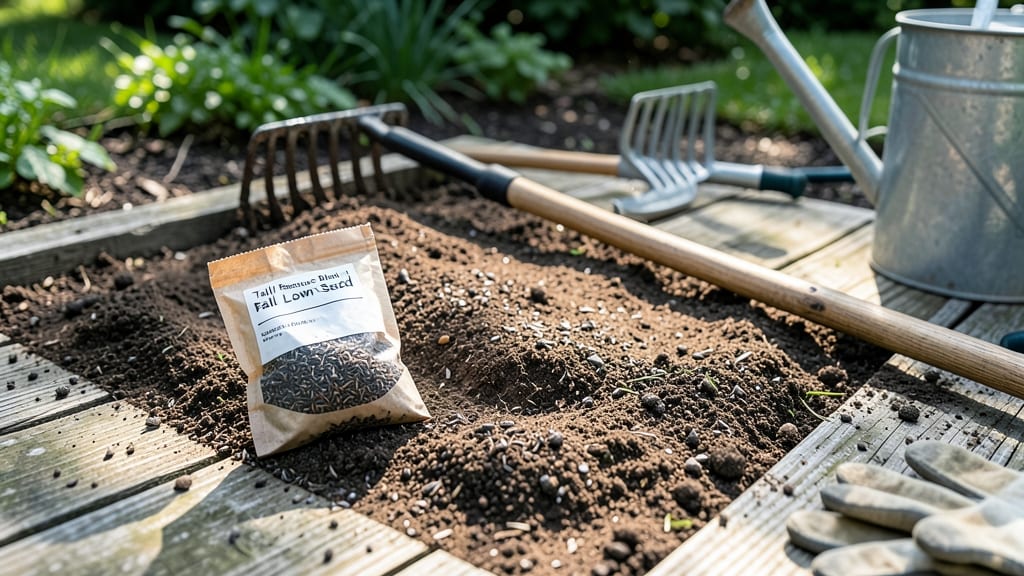
Planting lawn seed in October gives your grass a 6-week head start before winter, and the results speak for themselves: a thicker, greener lawn by spring.
If you’ve ever watched a spring lawn sprout patchy and slow, you know the frustration. But October seeding—when soil stays warm and weeds slow down—is the secret to stronger roots and fewer early-season weeds. The key? Starting 4-6 weeks before frost in USDA Zone 6, where temperatures drop by mid-October.
This isn’t just about throwing seed on the ground and hoping for the best. We’re talking soil prep, the right watering schedule, and even a light fertilizer boost to help those seeds germinate before the ground freezes.
Skip the guesswork, and you’ll avoid the most common October mistakes that leave lawns thin or weedy.
In the next sections, I’ll walk you through the exact week-by-week timeline—from aerating your soil to protecting new shoots as temperatures dip. By the time winter hits, your lawn will be rooted deep and ready to explode in spring.


Why October is the best month for lawn seed planting (and how to time it perfectly)
October offers the perfect balance of cool soil temperatures and reduced weed competition, making it the ideal month for lawn seeding. When you plant in late summer to early fall, your grass seeds have 4-6 weeks to establish deep roots before winter dormancy.
This head start means stronger turf when spring arrives, compared to spring planting which often struggles with summer heat stress.
Mother Nature designed fall for grass establishment. Soil stays warm enough (50-65°F) for germination but cools just enough to slow weed growth. Cool-season grasses like Kentucky bluegrass and fescue thrive in these conditions, while warm-season grasses should wait until spring.
The key is planting 4-6 weeks before your region's first frost date.
| Factor | Ideal October Range | Why It Matters |
|---|---|---|
| Soil Temperature | 50-65°F | Promotes germination without overheating |
| Air Temperature | 40-60°F | Reduces stress on young seedlings |
| Days to Frost | 4-6 weeks | Ensures root establishment before dormancy |
| Rainfall | 1-1.5 inches/week | Supports consistent moisture for germination |
| Weed Competition | Low-Moderate | Cooler temps slow weed seed germination |
Your USDA hardiness zone determines the exact October planting window. In Zone 5 or colder, aim for mid-September to avoid early frosts. Zone 6-7 gardeners have flexibility until late October, while Zone 8+ can extend seeding into November.
Check your local first frost date and count backward 4-6 weeks to find your perfect planting window.
Fall-seeded lawns outperform spring plantings because cool temperatures encourage deep root growth while reducing water loss through evaporation. Grass planted in spring often struggles with summer heat and drought, leading to thin, weak turf. October's moderate moisture and lower weeds create ideal conditions for dense establishment before winter.
For cool-season grasses, October is prime time because these varieties naturally go dormant in summer heat.
Planting in fall lets them establish roots before winter, so they're ready to burst into growth when spring arrives. Warm-season grasses like Bermuda or Zoysia should wait until spring, as they won't germinate in cool fall soils.
Regional adjustments are crucial. In northern climates (Zones 3-5), plant by mid-September to avoid early frosts. Southern regions (Zones 8-10) can extend seeding until November, but monitor soil temperatures—they should stay above 50°F for germination. Always check your local frost dates for precise timing.
Proper soil preparation in October sets the stage for success. Test your soil's pH (6.0-7.0 ideal) and add compost or organic matter to improve drainage. Loosen compacted soil with a rake or aerator to create a seed-friendly surface.
This step is often overlooked but critical for even germination and root penetration.
After planting, maintain consistent moisture—keep the soil evenly damp but not soggy. October's cooler temps reduce watering needs compared to summer, but daily light watering (early morning) prevents seeds from drying out. Within 2-3 weeks, you should see sprouts emerging, signaling successful establishment.
Timing your October planting correctly means your lawn will outperform spring plantings by next summer. The deep roots established in fall create a resilient foundation that handles spring's challenges better.
Plus, you'll avoid the weed competition that often plagues spring plantings. With the right October window and care, you're setting your lawn up for years of lush growth. 🌱
Step-by-step October lawn seed planting timeline (weeks 1-6 before frost)
October’s cooler temperatures and increased rainfall create the perfect conditions for lawn seed germination. Unlike spring planting, fall seeding allows seeds to establish deep roots before winter dormancy, resulting in a stronger lawn by spring.
The key is working within a 6-week window before your first frost date—here’s how to break it down week by week.
Start by testing your soil pH (ideal range: 6.0–7.0) and clearing debris. If you’re overseeding, mow your lawn shorter than usual to expose soil. For new lawns, remove all existing vegetation and till the top 4 inches of soil.
This timeline assumes a USDA Zone 6 climate—adjust dates if you’re in an earlier or later frost zone.
-
1
Week 1: Soil Prep & Herbicide
Test soil pH and amend with lime if needed. Apply pre-emergent herbicide (if overseeding) to prevent weeds. Rake soil to a fine tilth (¼-inch depth).
-
2
Week 2: Seeding & Light Cover
Spread cool-season grass seed (e.g., tall fescue or Kentucky bluegrass) at 5–8 lbs per 1,000 sqft. Lightly rake seeds into soil (¼-inch deep) and cover with straw mulch.
-
3
Week 3: Initial Watering
Water lightly 2x daily (morning/evening) to keep soil moist but not soggy. Aim for ¼-inch water per session. Avoid heavy watering to prevent seed erosion.
-
4
Week 4: Fertilization & Adjustments
Apply a starter fertilizer (high-phosphorus, e.g., 10-20-10) to encourage root growth. Reduce watering to 1x daily (morning) as seedlings emerge.
-
5
Week 5: Deep Watering & Frost Prep
Increase water depth to ½-inch per week. Monitor for early frost warnings—cover seedlings with lightweight row fabric if temps drop below 32°F.
-
6
Week 6: Frost Protection & Winter Prep
Apply a winter mulch (straw or leaves) if frost is imminent. Reduce watering to bi-weekly once grass reaches 3-inch height. Avoid fertilizing after October 15.
By Week 6, your lawn should have 2–3 inches of established roots, ready to withstand winter dormancy. If frost hits early, protect seedlings with burlap or frost cloth—never use plastic, which can trap moisture and cause rot.
Once spring arrives, your lawn will bounce back faster than spring-planted grass.
Pro tip: Use a seed-to-soil contact spray (like a light mist) in Week 2 to help seeds stick to the soil surface. This is especially helpful in windy October conditions. For best results, choose a cool-season grass blend tailored to your region’s frost dates.
🌱