
Planting
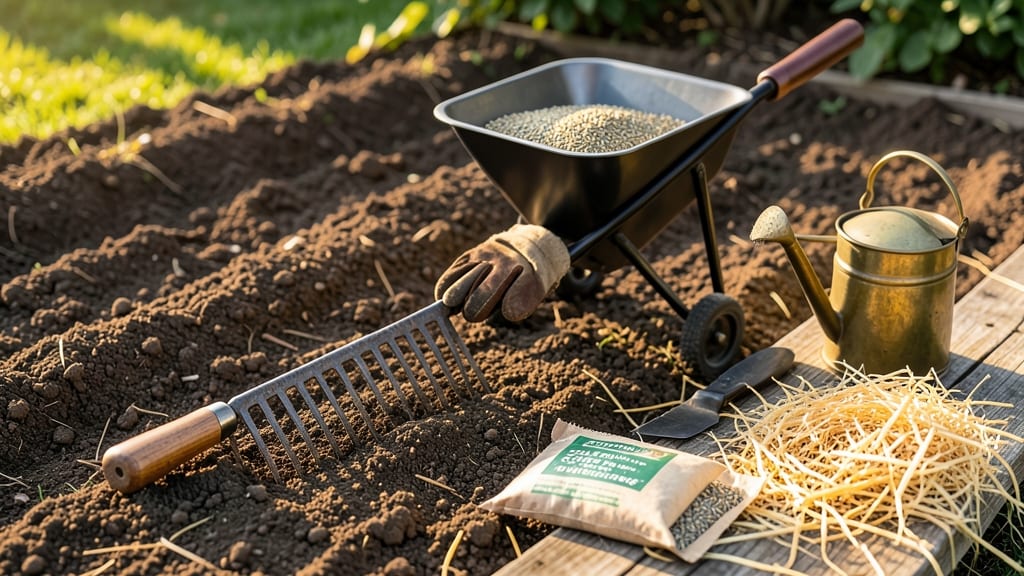
Planting lawn seed in autumn gives cool-season grasses like fescue and ryegrass a 4-6 week head start to develop deep roots before frost—something spring plantings can’t match.
Picture this: your neighbors’ lawns are still patchy in June, while yours is already thick and green by May. That’s the power of autumn planting, when mild temps and fewer weeds let seeds germinate faster and stronger.
But timing isn’t the only secret—soil prep, seed choice, and watering routines make or break your results. Skip the guesswork with a step-by-step guide tailored to your climate, from aerating compacted soil to picking the right grass mix for your yard’s sunlight.
Below, I’ll walk you through why autumn outperforms spring, the 3 critical weeks after planting, and how to avoid the mistakes that leave lawns thin and uneven—no matter where you live.


Why autumn is the best time to plant cool-season lawn seed
Autumn is the hidden champion season for lawns—when cool-season grasses like tall fescue and perennial ryegrass thrive because soil temperatures hover in the perfect 60-75°F range. This ideal zone lets seeds germinate quickly without overheating, unlike the scorching spring heat that can stress young plants.
Nature even helps by slowing weed growth as days shorten, giving your lawn a head start.
Science backs this up: deep root establishment happens faster in fall because grasses focus energy on roots before dormancy. When winter frost arrives, those roots stay protected underground, ready to burst into growth next spring.
In contrast, spring plantings often face drought stress and weed competition, leaving lawns thin and patchy.
Here’s why autumn outperforms other seasons—and how to time it right for your region:
In USDA zones 3-5, aim to plant 6 weeks before the first frost—typically mid-September to early October. For zones 6-9, extend the window to late October, as milder winters allow later planting.
Pro tip: Check your local frost date calendar to avoid planting too close to winter, which can stunt germination.
Frost actually works in your favor! A light freeze after seeds sprout hardens cell walls, making young grasses more resilient. This natural hardening process is impossible to replicate with spring plantings, where sudden heat waves can shock tender seedlings. Think of it as nature’s stress inoculation for your lawn.
Weed suppression is another autumn advantage. As daylight shortens, broadleaf weeds like dandelions and clover slow their growth, reducing competition for water and nutrients. By contrast, spring plantings often battle weeds head-on, diverting resources from your new grass.
Fewer weeds mean faster, denser lawn establishment—a critical factor for thick, healthy turf.
Regional timing matters: In the Northeast (zones 3-5), start by September 15 to avoid early frosts. In the South (zones 7-9), you can plant until November 15 thanks to later frosts.
Always choose cool-season grass blends labeled for your climate—mixes like tall fescue + perennial ryegrass balance speed and hardiness.
Myth-busting: You’ve heard "plant in spring"? That’s for warm-season grasses like Bermuda. Cool-season grasses hate summer heat, so autumn’s moderate temps let them focus on roots instead of surviving stress. The result? A lawn that’s 20-30% thicker by next spring compared to spring plantings.
Don’t wait until leaves fall—act now! The 4-6 week window before frost is your golden opportunity. Test your soil (aim for pH 6.0-7.5), loosen compacted areas, and choose seed with high germination rates. With the right timing, your lawn will thank you for years to come. 🌱
Step-by-step guide: preparing soil and planting lawn seed in fall
Fall is your golden window for lawn success—when cool-season grasses like tall fescue and perennial ryegrass thrive without summer’s stress. The key? Preparing soil 4-6 weeks before frost to give roots time to anchor before winter.
Whether you're seeding bare soil or overseeding an existing lawn, these steps ensure 90% germination rates and a thick, resilient turf by spring.
Start by clearing all debris and weeds—raking away dead leaves, rocks, and thatch. This prevents competition and ensures direct seed-to-soil contact.
For existing lawns, mow short (1-1.5 inches) to expose bare patches where new seed can settle. Soil temperature should be between 60-75°F—ideal for germination without stressing young plants.
Your Fall Lawn Planting Checklist
-
Step 1: Test Soil pH
Aim for 6.0-7.5. Use a soil test kit (available at garden centers) and amend with lime (to raise pH) or sulfur (to lower it) if needed. Wait 2-4 weeks before planting to let amendments settle. -
Step 2: Aerate Compacted Soil
Use a core aerator (rent or buy) to pull 3-4 inch plugs from soil. Focus on high-traffic areas where compaction is worst. This creates air pockets for roots to penetrate deeply—critical for drought resistance. -
Step 3: Spread Seed Evenly
Use a broadcast spreader for large areas or hand-sow small patches. For bare soil, scatter seed at 5-10 lbs per 1,000 sqft. For overseeding, halve the rate (3-5 lbs per 1,000 sqft) to avoid smothering existing grass. -
Step 4: Lightly Rake and Cover
Gently rake soil to press seed into ¼ inch depth (never bury deeper). Top with a thin layer of compost (¼ inch max) to retain moisture without blocking light. Avoid heavy mulch—it can suffocate seedlings. -
Step 5: Water Deeply and Frequently
Keep soil consistently moist for the first 2 weeks—water lightly 2x daily (morning and evening) to prevent crusting. After germination, water 1 inch per week, early in the day to reduce disease risk. -
Step 6: Fertilize Lightly in 6 Weeks
Apply a starter fertilizer (high in phosphorus, like 5-10-10) when seedlings are 2-3 inches tall. Avoid nitrogen-heavy feeds until spring—too much now can burn tender roots.
After planting, resist the urge to walk on new seed—foot traffic can dislodge seedlings.
If birds become a problem, cover the area with lightweight netting until germination (about 10-21 days, depending on grass type). Northern climates (USDA zones 3-5) can plant as late as mid-October, while southern zones (6-9) should finish by early November to avoid winter germination.
Monitor your lawn closely in the first 30 days. If soil dries out or cracks appear, increase watering to ½ inch daily until sprouts emerge.
Once grass reaches 3-4 inches tall, mow with a sharp blade set to 3 inches—this encourages root growth and crowding out weeds naturally.
With these steps, your autumn-planted lawn will outperform spring plantings by establishing deeper roots before winter. By spring, you’ll have a thicker, greener lawn that’s ready to handle summer heat—all because you gave it the perfect fall start. 🌱