
Plants
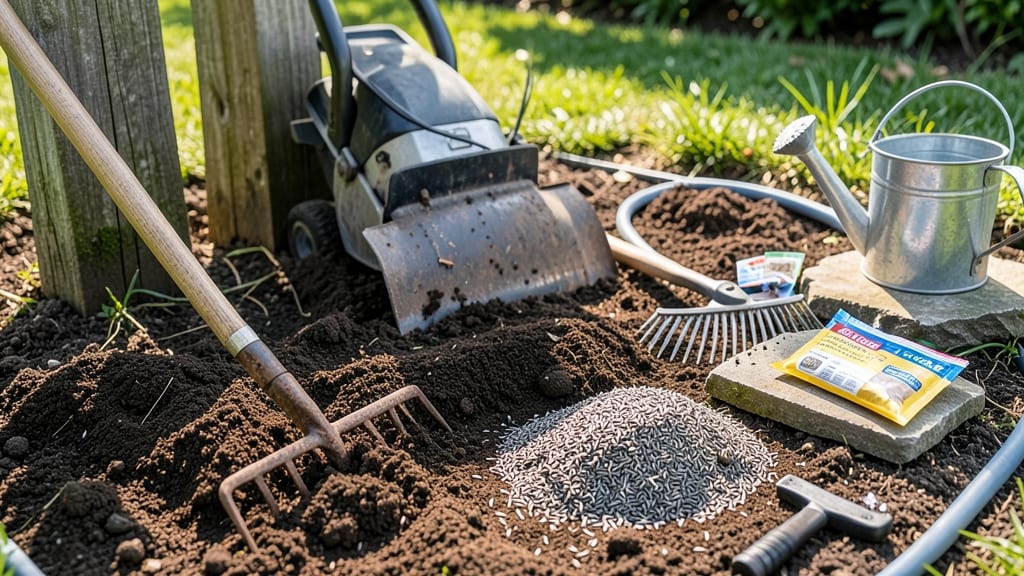
Planting grass seed in Minnesota spring means timing it right—between mid-April and early June—to avoid frost and maximize germination before summer heat sets in.
Picture this: you’ve prepped your soil, chosen the right seed, and poured hours into leveling the ground—only for a late frost to wipe out your progress. That’s why knowing Minnesota’s frost-free window is the key to a lush lawn, not a gamble.
Here’s the game-changer: soil temperatures need to hit 50°F or higher for seeds to sprout, and regional differences (like the Twin Cities vs. northern Minnesota) shift that window by weeks. We’ll break down the exact dates, soil prep tricks, and watering schedules to ensure your grass seed thrives—not just survives.
From aeration to avoiding common pitfalls, you’ll learn how to turn spring’s unpredictable weather into your lawn’s best growth season. Let’s get started.
Minnesota’s frost-free timeline: best weeks to plant grass seed in spring
Minnesota’s spring weather can be as unpredictable as a snowstorm in May, but timing your grass seed planting right ensures fast germination and a lush lawn. The ideal window is April 15–May 15, when soil temperatures consistently stay above 50°F and frost risk drops.
This timing maximizes success across USDA Zones 3b-4b, covering most of the state from the Twin Cities to northern regions like Duluth.
In southern Minnesota (Zones 4a-4b), like the Twin Cities area, you can start as early as mid-April if the ground isn’t frozen and soil temps are stable.
Meanwhile, northern Minnesota (Zone 3b), such as Brainerd or International Falls, may need to wait until late April or early May to avoid late frosts. Always check your local frost-free date—planting too soon can kill tender seedlings.
Soil temperature is the critical factor for germination. Grass seeds need consistent 50°F+ soil to sprout reliably. Use a soil thermometer to confirm—if temps dip below this, delay planting.
In cool springs, like 2021’s late frost in May, waiting until mid-May is safer. Patience here prevents wasted seeds and uneven growth.
Here’s how Minnesota’s regions compare for spring grass seed planting, including frost risk and ideal soil conditions:
| Region | USDA Zone | Last Frost Date | Ideal Planting Window | Soil Temp Threshold |
|---|---|---|---|---|
| Southern MN (Twin Cities) | 4a-4b | Mid-April | April 15–May 1 | 50°F+ (consistent) |
| Central MN (St. Cloud) | 4a | Late April | April 20–May 10 | 50°F+ (consistent) |
| Northern MN (Duluth) | 3b-4a | Early May | May 1–May 15 | 50°F+ (consistent) |
| All Regions | 3b-4b | N/A (varies) | April 15–May 15 | 50°F+ (minimum) |
🌱 Pro Tip: Monitor 7-day forecasts—if frost is predicted within 5 days of planting, delay until after the threat passes.
For cool-season grasses like Kentucky Bluegrass or Tall Fescue—the best choices for Minnesota—planting in early spring gives seeds time to establish before summer heat. However, if you miss this window, fall planting (late August–early September) is the next best option.
Fall seeds germinate slowly but develop stronger root systems before winter.
Regional microclimates matter too. Urban areas like Minneapolis may warm up faster due to heat islands, while rural northern MN can stay colder longer. Use a local weather app or Almanac frost charts to adjust your timeline.
For example, Brainerd often needs to wait until May 1, while Rochester can start by April 20.
Once you’ve picked your planting date, prepare for post-germination care. Grass seeds need consistent moisture—water lightly twice daily (morning and evening) for the first 2 weeks to keep soil evenly damp.
Avoid overwatering, which can wash seeds away or cause fungal diseases. A light mulch (straw, not wood chips) helps retain moisture and protect seeds from late frosts.
If you’re seeding a large lawn, consider splitting the project into two phases: plant half in early May and the other half in late May. This staggered approach reduces stress on your water supply and spreads out germination timelines, ensuring uniform coverage.
It’s also a smart move if you’re dealing with uneven soil conditions or shady spots that dry out slower.
Remember, soil prep is just as critical as timing. Before planting, aerate compacted soil, remove weeds, and loosen the top 2 inches of dirt. This improves seed-to-soil contact and helps roots penetrate easily.
In clay-heavy soils common in northern MN, mix in compost or sand to improve drainage. Proper prep ensures your seeds don’t struggle to establish roots in less-than-ideal conditions.
By following Minnesota’s frost-free timeline and adjusting for your specific USDA zone, you’ll give your grass
How to prepare your lawn for spring grass seed planting in Minnesota
Spring in Minnesota brings unpredictable weather, but with the right prep, you can create the perfect seedbed for your new lawn. The key is soil preparation—starting 4-6 weeks before planting.
Cool-season grasses like Kentucky Bluegrass and Tall Fescue thrive in Minnesota’s climate, but they need well-aerated soil and proper weed control to succeed.
First, test your soil pH—ideal levels for grass seed are between 6.0 and 7.0. You can use a DIY soil test kit from your local garden center or send a sample to the University of Minnesota Extension for professional analysis.
Amend the soil with lime if it’s too acidic or sulfur if it’s alkaline, following package instructions.
Next, focus on aeration to break up compacted soil. This step is critical because Minnesota’s freeze-thaw cycles can leave soil dense and impermeable. Rent a core aerator from a local hardware store or use a manual aeration tool for smaller lawns.
Aerate when the soil is slightly moist but not soggy—typically in late April or early May.
Step-by-Step Prep for Spring Grass Seed Planting
-
1. Test Soil pH
Use a soil test kit to check pH (aim for 6.0-7.0). Amend with lime or sulfur as needed. -
2. Aerate the Lawn
Rent a core aerator or use a manual tool to create 1/2-inch holes 2-3 inches apart. Best done when soil is slightly moist. -
3. Control Weeds
Apply a pre-emergent herbicide 2-4 weeks before planting to prevent crabgrass and other weeds. Avoid post-emergent herbicides near planting time. -
4. Choose the Right Seed
For Minnesota, pick a cool-season grass mix like Kentucky Bluegrass (shade-tolerant) or Tall Fescue (drought-resistant). Avoid warm-season grasses like Bermuda. -
5. Spread Seed Evenly
Use a broadcast spreader for large areas or a hand spreader for small patches. Apply 1/2 lb of seed per 100 sqft for new lawns. -
6. Lightly Rake and Mulch
Gently rake seeds into soil to ensure seed-to-soil contact. Top with a thin layer of straw mulch (1/4 inch) to retain moisture.
Weed control is another critical step before planting. Apply a pre-emergent herbicide like pendimethalin 2-4 weeks before seeding to stop weeds from germinating. Avoid post-emergent herbicides, as they can harm new grass seedlings. If weeds are already present, hand-pull them or spot-treat with a vinegar-based herbicide for organic control.
Finally, select the right grass seed variety for Minnesota’s climate. Cool-season grasses like Kentucky Bluegrass and Fine Fescue are ideal for their ability to handle cold winters and hot summers. Mixing Tall Fescue (drought-resistant) with Perennial Ryegrass (fast germinating) creates a balanced lawn that stays green longer.
With these steps, your Minnesota lawn will be ready for spring planting by late April or early May. Remember, consistent moisture is key—water lightly twice daily for the first week to keep seeds moist until germination. Your lush, green lawn starts with proper prep! 🌱