
Companion Plants
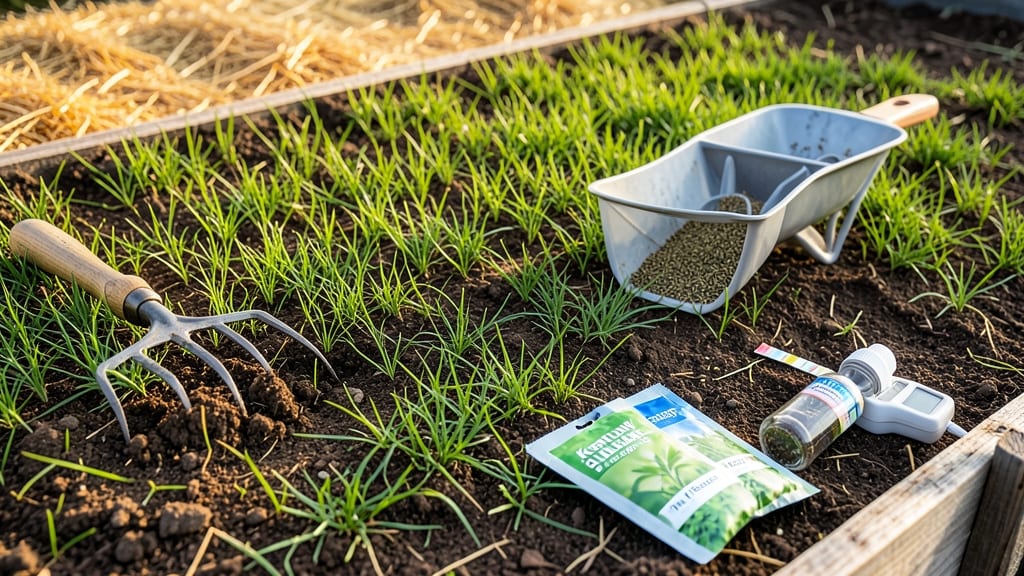
You can plant grass seed in Michigan when soil temperatures reach 55°F (13°C), typically between early March and mid-April for spring or late August to early September for fall.
Michigan’s unpredictable spring weather can turn a perfect lawn into a muddy mess if you plant grass seed at the wrong time—but timing it right guarantees a lush, weed-resistant yard that thrives all season.
For most of the state, the ideal window is 4-6 weeks before the last frost date, which usually lands in mid-April. However, northern Michigan’s cooler climate may delay planting until late April, while southern regions can start as early as March.
Below, I’ll break down the exact soil temperature and frost-free dates by zone, plus how to prep your yard for the best germination—whether you’re seeding in spring or fall.
Michigan’s ideal grass seed planting window by hardiness Zone
Michigan’s USDA Hardiness Zones 4-6 create a unique challenge for lawn lovers—cool springs and crisp falls demand precise timing to establish grass successfully. Planting too early risks frost damage, while waiting too long invites weeds and slow germination.
The key lies in soil temperature thresholds and frost-free windows, which vary dramatically between northern and southern Michigan.
For cool-season grasses (the best choice for Michigan), aim for early spring (March-April) or early fall (August-September) planting. Warm-season grasses like Bermuda can only handle Michigan’s short growing season if planted late May to early June, but they’re rarely ideal for northern regions.
Let’s break down the exact windows by zone and soil conditions to ensure your lawn gets off to the right start.
⚠️ Pro Tip: Always check your local last frost date (typically mid-April in southern Michigan, early May in the UP) and first frost date (mid-October statewide). Planting 4-6 weeks before the last frost or 6-8 weeks before the first frost gives seeds the best chance to establish roots.
| Zone & Region | Ideal Planting Window | Soil Temp Threshold | Grass Type | Key Consideration |
|---|---|---|---|---|
| Zone 4 (Northern MI, UP) | Late April - Early May (Spring) / Late August - Mid-Sept (Fall) | 50-55°F (10-13°C) | Tall Fescue, Fine Fescue | Longer frost risk; prioritize fall planting |
| Zone 5 (Central MI) | Early April - Mid-May (Spring) / Early Sept - Late Sept (Fall) | 55-60°F (13-16°C) | Kentucky Bluegrass, Perennial Ryegrass | Balanced spring/fall options; watch for late frosts |
| Zone 6 (Southern MI) | March - Early April (Spring) / August - Early Sept (Fall) | 60-65°F (16-18°C) | Bermuda (limited), Tall Fescue | Earlier springs; Bermuda needs heat |
| All Zones | Avoid June-July planting | >75°F (24°C) = stress | Cool-season grasses only | Summer heat causes dormancy |
Spring planting in Michigan requires patience. Wait until daytime temperatures consistently stay above 50°F (10°C) and nighttime temps don’t dip below 40°F (4°C). Use the finger test: Stick your finger 2-3 inches into the soil—if it’s cool but not frozen, it’s ready.
For fall, aim for 6-8 weeks before the first frost to allow roots to establish before winter dormancy.
Northern Michigan’s Zone 4 areas (like the Upper Peninsula) have the shortest growing season, so fall planting is often superior. The cooler temps reduce weed competition, and seeds germinate well until early September.
Southern Michigan’s Zone 6 regions can sometimes squeeze in a late March planting, but always verify soil temps—cold, wet soil leads to rot.
Warm-season grasses like Bermuda or Zoysia are a gamble in Michigan. They need consistent 80°F+ soil temps to thrive, which only occurs in late May-June. Even then, they’ll go dormant in fall, making them impractical for most Michigan lawns unless you’re in southern Zone 6 with microclimates.
Stick to cool-season grasses for reliable results.
⚠️ Common Mistake: Planting in May-June when soil temps exceed 75°F (24°C). This causes seeds to dry out before germination. Always check the 6-inch soil temperature—cool-season grasses need 55-65°F (13-18°C) for optimal growth. Use a soil thermometer ($10 at garden centers) to avoid guesswork.
For fall planting, late August is ideal in northern Michigan, while southern regions can extend until early September. The goal is to have 4-6 weeks of growth before frost.
Cool evenings and warm days create perfect conditions, and established roots better withstand winter’s chill. Just avoid planting after September 15th—new growth won’t harden off before frost.
Regional microclimates matter! Urban areas (like Detroit or Grand Rapids) often warm up 1-2 weeks earlier than rural zones due to the heat island effect. Check local Michigan State University Extension frost maps or ask your county agricultural agent for hyper-local advice.
Even a 5-mile difference can shift your planting window by a week.
Once you’ve nailed the timing, prepare your soil with 2-3 inches of compost and a light raking to create a fine seedbed. Water gently twice daily (morning and evening) until germination, then taper to 1 inch per week.
With the right timing, your Michigan lawn will outcompete weeds and stay green through two full growing
Signs your Michigan soil is ready for grass seed (and what to do if it’s not)
Before planting grass seed in Michigan, your soil must meet three key conditions: consistent moisture, warmer temperatures, and stable weather. Cold, wet soil can smother seeds, while dry or freezing conditions stall germination.
Testing these factors ensures your seeds sprout quickly and establish strong roots before summer heat or winter frost.
Start by checking the soil temperature—it should stay above 55°F (13°C) for at least 5 days. In Michigan, this typically happens by mid-April in southern regions but may wait until late April or early May in northern areas.
Use a soil thermometer or the finger test (dig 2-3 inches deep; if the soil feels cool to your knuckles, wait a few more days).
Next, assess moisture levels. Press your finger 1-2 inches into the soil—if it feels damp but not soggy, it’s ready. Overly wet soil can suffocate seeds, while dry soil won’t support germination.
Aim for 1 inch of water per week, either from rainfall or irrigation, to keep the topsoil consistently moist but not waterlogged.
Finally, monitor the weather forecast for at least 10 days. Avoid planting if frost, heavy rain, or strong winds are predicted. Michigan’s spring can flip from sunny to snowy in a week, so flexibility is key.
If conditions aren’t ideal, hold off until late August or early September for fall planting.
🌱 Ready to Plant?
| Check | Action |
|---|---|
| Soil temp ≥55°F (13°C) | Use a thermometer or finger test (cool to knuckles = wait). |
| Moisture: damp but not soggy | Water lightly if dry; avoid planting if flooded. |
| No frost in forecast | Wait 10+ days after last frost for spring; plant 6-8 weeks before first frost for fall. |
⚠️ Not Ready? If soil is too cold (below 50°F), cover bare spots with straw mulch or wait. For dry soil, water deeply 2-3 days before seeding to prep the bed.
If your soil fails these tests, don’t rush—delaying a week or two can mean the difference between a thin, patchy lawn and a thick, vibrant carpet of grass.
For cold soil, try black plastic mulch to warm the ground faster, or switch to fall planting (late August) when temperatures stabilize. Always test a small patch first to confirm conditions improve.
Once your soil passes these checks, seed in the early morning or late afternoon to reduce stress from midday sun. Lightly rake the area, spread seed evenly, and cover with a thin layer of compost (¼ inch) to protect seeds from birds and drying out.
Water gently but thoroughly to settle seeds into the soil.
With Michigan’s variable climate, patience pays off. A well-timed planting session—when soil is warm, moist, and frost-free—sets your lawn up for success all season long. Keep an eye on those forecasts, and your grass will thank you with deep roots and lush growth by summer. 🌿