
Plants
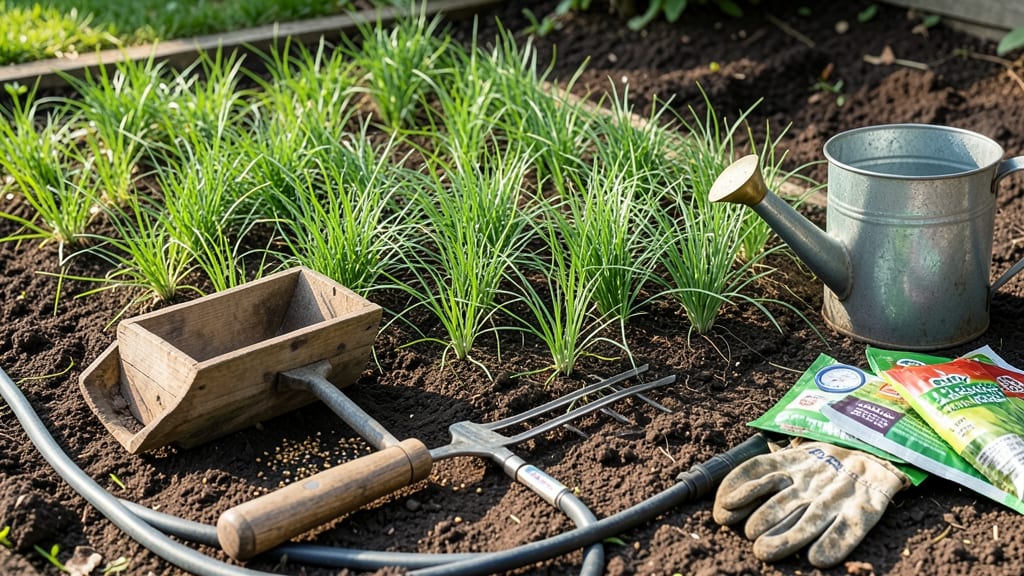
To plant grass seed in Minnesota, aim for late August through early October or early April to mid-May when soil temperatures are ideal for germination 🌱.
Minnesota’s unpredictable climate can make or break your lawn—planting grass seed at the wrong time means thin grass, weeds, and wasted effort. Timing is everything, and these proven windows for early spring and fall planting will give you a lush, resilient lawn that survives MN winters.
Fall planting is often the best choice because cooler temperatures reduce stress on new grass, allowing roots to establish before winter. Spring planting works too, but you’ll need to act fast—wait too long, and summer heat can dry out seedlings before they take hold.
Below, I’ll break down the exact soil temperature thresholds, how to prep your lawn for success, and the one mistake that kills more Minnesota lawns than anything else. Let’s get started!
Best times to plant grass seed in Minnesota: spring vs fall timing guide
Minnesota’s cool-season climate creates a tight window for planting grass seed, but timing it right means the difference between a thick, green lawn and a patchy, weed-filled yard.
The best times are early spring (April to mid-May) and early fall (late August to October), when soil temperatures hover between 50°F and 65°F—perfect for germination. But why these windows? Let’s break down the science behind MN’s climate zones and how they influence your planting schedule.
In Minnesota’s USDA zones 3-5, frost dates shift dramatically. Northern regions (zone 3) face earlier frosts, while southern areas (zone 5) have slightly longer growing seasons. This means fall planting in northern MN must start by mid-September, while southern areas can extend until early October.
Spring planting, however, is more uniform: aim for after the last frost (typically mid-April) but before summer heat sets in.
Here’s the critical comparison between spring vs. fall planting in Minnesota, including soil temperature thresholds and why one season often outperforms the other.
Fall planting wins in Minnesota because cooler temperatures reduce stress on young grass, allowing roots to establish 4-6 weeks before winter. This means your lawn starts stronger in spring and outcompetes weeds.
Spring planting, however, is a gamble: plant too late, and summer heat will dry out seeds before they sprout. Even if you nail the timing, spring weeds will steal nutrients and sunlight from your tender grass.
For northern MN (zones 3-4), prioritize fall planting—it’s the safest bet. In southern MN (zone 5), you can stretch fall planting into early October or even try late spring (May) if you’re prepared for extra watering.
But here’s the golden rule: never plant grass seed when soil temps exceed 70°F. At that point, seeds dry out faster than they can germinate, leading to thin, patchy lawns.
Pro tip: Use a soil thermometer to check temps before planting. Stick it in the ground 2 inches deep (where seeds will be) and wait until readings are consistently 50°F–65°F.
In Minnesota, this usually means mid-morning in September or late afternoon in April. Avoid planting on windy days—seeds need to stay in contact with moist soil to germinate.
Another MN-specific challenge? Heavy clay soil in many regions. If your lawn has compacted soil, aerate 2-3 weeks before planting to give roots room to grow. Fall is the best time for this—it loosens soil without the risk of summer drought.
Pair aeration with a light top dressing of compost to improve drainage and seed-to-soil contact.
Let’s talk about grass seed varieties for a minute. In Minnesota, Kentucky bluegrass and fine fescue are top choices for fall planting because they tolerate cold and establish quickly.
If you’re planting in late spring, opt for tall fescue—it’s more drought-resistant and handles summer heat better. Always check the seed bag for cold-hardiness ratings (look
How to prepare your Minnesota lawn for grass seed planting: soil, weather, and seed selection
Preparing your Minnesota lawn for grass seed planting starts with understanding soil conditions and weather patterns. The ideal soil pH for most MN grasses is between 6.0 and 7.0, while soil temperatures should be between 50°F and 65°F for optimal germination.
Cold-hardy varieties like Kentucky bluegrass and fine fescue thrive in MN’s climate, but proper prep ensures they take root before winter.
Before planting, test your soil pH using a home test kit or send a sample to the University of Minnesota Extension. If your soil is too acidic (below 6.0), apply lime 4-6 weeks before planting.
For alkaline soil (above 7.0), use sulfur or peat moss. These adjustments give your grass the best chance to establish strong roots before the first frost.
- Test Soil pH (ideal: 6.0-7.0) using a kit or lab test
- Adjust pH 4-6 weeks before planting: lime for acidity, sulfur for alkalinity
- Choose cold-hardy seeds: Kentucky bluegrass (durable), fine fescue (shade-tolerant), or tall fescue (drought-resistant)
- Aerate compacted soil in spring or fall to improve water/root penetration
- Water deeply 1-2 times weekly until seeds germinate (keep soil moist but not soggy)
- Monitor weather forecasts: Plant 6-8 weeks before first frost (typically by October 1 in MN)
Selecting the right grass seed mix is critical for MN’s climate. Kentucky bluegrass is popular for its durability and ability to recover from foot traffic, but it requires more water. Fine fescue is a great low-maintenance option for shady or drought-prone areas, while tall fescue offers excellent drought resistance.
If your lawn faces drought conditions, consider a blend with 10-20% tall fescue to improve resilience.
After adjusting your soil pH and choosing seeds, focus on weather timing. Plant in early fall (September-October) to allow roots to establish before winter, or in early spring (April-May) once soil warms. Avoid planting in late spring (June-July), as heat and drought stress young seedlings.
Check the National Weather Service for frost predictions—plant at least 6-8 weeks before the first frost date in your area.
Once planted, maintain consistent moisture by watering early in the morning to reduce evaporation and fungal risks. For the first 2-3 weeks, keep the soil evenly moist (about 1/2 inch of water per week).
After germination, gradually reduce watering to encourage deep root growth. Mulch lightly with straw to retain moisture and protect seeds from drying winds.
With the right soil prep, seed selection, and weather timing, your MN lawn will establish a thick, resilient cover that survives winters and thrives in summer. Start early, stay consistent, and your efforts will pay off with a lush green lawn year after year. 🌱