
Plants
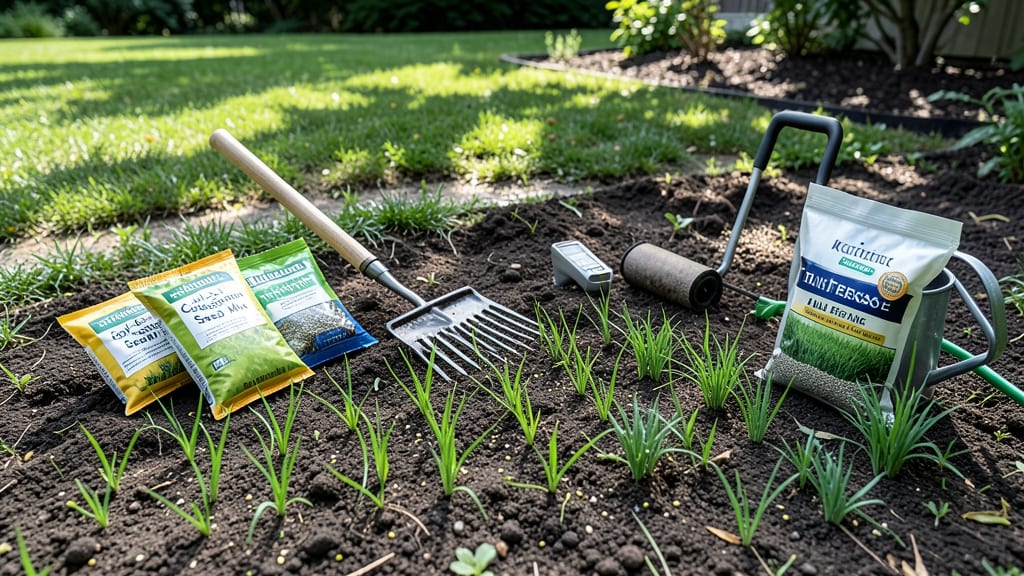
The best time to plant grass seed in Michigan is between early spring and early fall, when soil temperatures stay above 50°F and frost risks fade—but timing varies wildly from Detroit to the Upper Peninsula.
Picture this: you’ve spent hours spreading 🌱 grass seed, only for a late frost to wipe out your progress. Or worse, planting in summer heat and watching your seed bake before it even sprouts. Michigan’s 5b-6b zones demand precision, not guesswork.
In this guide, I’ll break down the exact frost-date windows for your region, how to prep soil for Michigan’s clay-heavy dirt, and the 3 critical mistakes that kill grass seed before it takes hold.
You’ll leave here knowing whether to plant in March or September, how deep to water, and why a fall seeding often beats spring—plus a foolproof way to track frost dates so you never plant too early or late again.
Michigan’s ideal grass-seeding windows by hardiness Zone (and how to track frost dates)
Michigan’s climate—with its USDA Zones 4-6 and unpredictable frost dates—demands precision when planting grass seed. Planting too early risks frost damage, while waiting too long invites weeds and heat stress. The key? Soil temperature and frost-free windows that vary drastically between northern Zone 4 and southern Zone 6 regions.
Let’s break down the perfect planting windows for each zone, plus how to track frost dates like a pro.
Most Michigan gardeners focus on spring and fall seeding, but the ideal timing shifts by 50 miles or more. For example, Detroit (Zone 6b) can seed in early April, while Traverse City (Zone 5b) may need to wait until mid-May.
Fall offers a second chance, but you must plant 4-6 weeks before the first frost—typically by mid-September in the north and late October in the south.
Here’s your zone-specific cheat sheet for Michigan grass seeding, including soil temperature thresholds and frost date tracking tools:
To track frost dates with precision, start with the USDA Frost Map (available at USDA ARS). For Michigan, overlay this with local weather station data from sites like NOAA or Michigan State University Extension.
Pro tip: Plant when soil temps hit 50°F—use a soil thermometer (not air temperature!) to confirm. In Zone 4, this often means waiting until late May, while Zone 6 gardeners can start as early as mid-April.
Fall seeding is trickier but offers cooler temps and fewer weeds. Aim to finish by 6 weeks before the first frost.
For example, in Traverse City (Zone 5b), that’s early September, while in Detroit (Zone 6b), you might push it to mid-October. Overseeding in fall is ideal for cool-season grasses like Kentucky bluegrass or tall fescue, which germinate faster in 60–70°F soil.
Missed the window? Don’t panic. Spring overseeding is your backup—just wait until soil warms to 50°F and air temps stay above 60°F during the day. Tall fescue and perennial ryegrass are the most heat-tolerant options if you’re seeding in late May or June.
Pair this with daily watering (1/2 inch per week) to keep seeds moist until germination.
One common mistake? Planting based on calendar months instead of soil conditions. A cold snap in May can kill new grass, while hot, dry June soil (above 75°F) stresses seedlings. Always test soil temperature at 4-inch depth—this is your true guide, not the weather forecast.
For Zone 5, this often means waiting until after Mother’s Day, even if it’s technically spring.
For clay-heavy Michigan soils, amend with compost or sand before seeding to improve drainage. Northern zones (4-5) benefit from a light mulch (straw, not wood chips) to protect seedlings from <
5 Critical factors that determine success (beyond just the calendar)
Timing your grass seed planting in Michigan isn’t just about avoiding frost—it’s about creating the perfect environmental cocktail. Even if you plant during the ideal window, soil temperature, moisture balance, and seed variety can make or break germination.
For example, cool-season grasses like Kentucky bluegrass thrive when soil temps hover between 50–65°F, while warm-season grasses like Bermuda need 70°F+—and Michigan’s clay-heavy soils can delay warming by weeks.
Rainfall patterns add another layer of complexity. A drought-prone summer in southern Michigan can dry out new seedlings faster than you can water, while excessive spring rains in northern zones may wash seeds away or suffocate them.
Then there’s weed competition: If you plant too late, crabgrass and clover will outcompete your grass for sunlight and nutrients, leaving you with a patchy lawn instead of a lush one.
Here’s the breakdown of what truly matters—and how to adjust for Michigan’s unique challenges:
🌱 5 Critical Factors for Grass Seed Success in Michigan
- 1 Soil Temperature: Grass seeds need consistent warmth—aim for 50°F+ for cool-season types. Use a soil thermometer to check depth (2 inches down). In clay-heavy soils, warming may lag by 1–2 weeks compared to sandy areas.
Adjusting for clay-heavy soils? Plant 1–2 weeks later than the calendar suggests—these soils stay cooler longer. In drought-prone zones, opt for deep-rooted grasses like tall fescue and water deeply 2x/week instead of daily shallow watering.
Pro tip: Mulch with straw after planting to lock in moisture and regulate soil temp.
Remember, fall plantings in Michigan often outperform spring ones because cooler temps reduce weed pressure and fall rains provide steady moisture. But if you’re in Zone 4b (northern Michigan), push fall seeding to late August to avoid early frosts—seedlings need 4–6 weeks to establish before winter.
By focusing on these five factors, you’ll turn Michigan’s unpredictable weather into an advantage—no more guessing games, just lush, weed-free lawns year after year. 🌱