
Planting
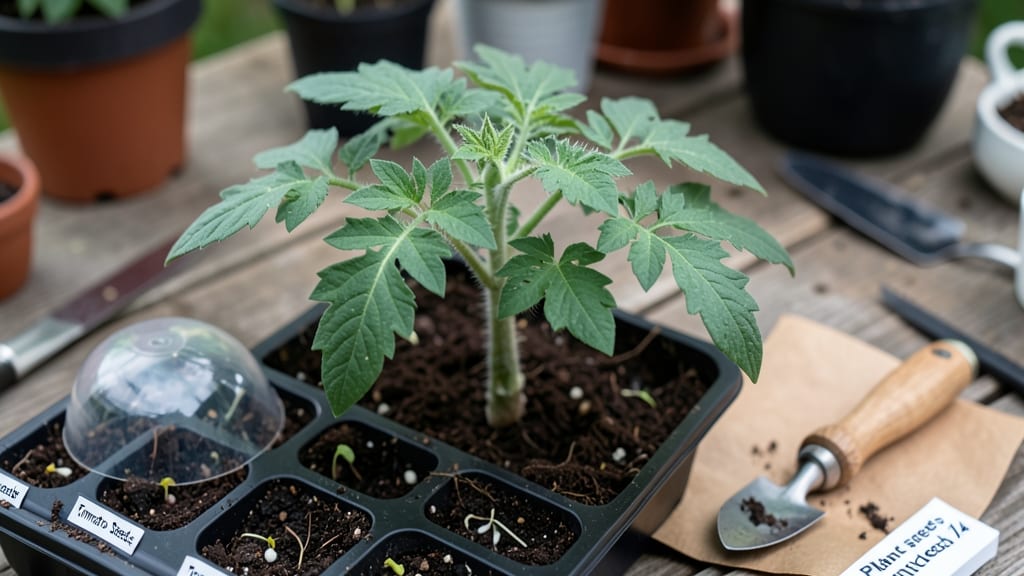
Planting tomato seeds at a ¼-inch depth is the fastest way to jumpstart germination and avoid weak seedlings that flop before they even start 🍅.
If you’ve ever watched your tomato seeds sit stubbornly in the soil for weeks—or worse, sprout into leggy, wobbly stems—you know the stakes. The right depth isn’t just a detail; it’s the difference between a thriving plant and a wasted packet of seeds.
Too deep, and your seeds suffocate; too shallow, and they dry out. We’ll break down the exact science behind that ¼-inch rule, plus how to adjust for your soil type, climate, and even the kind of seeds you’re using.
By the end, you’ll know not just how deep to plant, but also how to time it, water it, and give your tomatoes the best shot at a fast, strong start—no guesswork included.


Optimal tomato seed planting depth by seed type (with exact inches)
Getting your tomato seeds planted at the right depth can make the difference between strong, healthy seedlings and weak, struggling plants.
Most gardeners assume a one-size-fits-all approach, but the truth is that seed type, soil texture, and even climate conditions all play a role in determining the perfect planting depth.
For tomatoes, the general rule is ¼ inch deep, but let’s break down the specifics for heirloom seeds, hybrid seeds, and bare-root seedlings.
Why does depth matter so much? Seeds need just enough soil coverage to stay moist and protected from harsh elements, but not so deep that they struggle to push through the earth. Light exposure is also critical—tomato seeds need warmth to germinate, and too much soil can block that energy.
Let’s explore the exact measurements and adjustments you should make based on your seed type and soil conditions.
Comparison Table: Optimal Planting Depth for Tomato Seeds
| Seed Type | Soil Type | Optimal Depth | Germination Rate | Key Adjustment |
|---|---|---|---|---|
| Heirloom Seeds | Sandy | ¼ inch (6mm) | 85-90% | Add mulch to retain moisture |
| Heirloom Seeds | Clay | ⅛ inch (3mm) | 75-80% | Loosen soil with compost |
| Hybrid Seeds | Sandy | ¼ inch (6mm) | 90-95% | Use seedling trays for warmth |
| Hybrid Seeds | Clay | ⅛ inch (3mm) | 80-85% | Cover with vermiculite |
| Bare-Root Seedlings | Any | ½ inch (12mm) deep | 95-100% | Plant at same depth as nursery pot |
Heirloom seeds, often larger and more delicate, thrive when planted at a ¼ inch depth in sandy soil—this allows them to access moisture while still receiving enough warmth for germination.
However, if your soil is heavy clay, reduce the depth to ⅛ inch to prevent suffocation. Clay soil can compact easily, blocking the seed’s path to the surface, so loosening it with compost or organic matter is essential.
Hybrid seeds, bred for consistency and faster germination, follow the same ¼ inch rule in sandy soil but may require slight adjustments in cooler climates. If your garden experiences early-season chills, consider planting them ⅛ inch deep to encourage quicker sprouting.
For both heirloom and hybrid seeds, using a seedling tray with a clear lid can help maintain the ideal 70-80°F soil temperature needed for optimal germination.
When it comes to bare-root seedlings, the rules change slightly. These young plants should be buried at the same depth they were in their nursery pots—typically ½ inch deep. This ensures the stem remains stable while allowing the roots to establish quickly.
If you plant them too deep, the stem may rot, while planting too shallow can lead to weak, top-heavy plants that fall over as they grow.
Soil type isn’t the only factor to consider—moisture retention and drainage also play a role. Sandy soil drains quickly, so you’ll need to water more frequently to keep seeds moist. On the other hand, clay soil holds moisture but can suffocate seeds if not amended.
Mixing in perlite or coconut coir can improve aeration and drainage, making it easier to maintain the right moisture levels.
Pro tip: If you’re unsure about your soil type, do a simple test. Grab a handful of damp soil and squeeze it—if it crumbles easily, it’s sandy; if it holds its shape, it’s likely clay.
Adjust your planting depth accordingly, and always keep the soil consistently moist (not soggy) until germination occurs, which typically takes 7-14 days for tomatoes.
One common mistake gardeners make is planting seeds too deep in hopes of better protection. However, this can lead to leggy seedlings that struggle to reach the light. If you notice your seedlings stretching toward the sun, it’s a sign they need more light or were planted too deeply.
Conversely, planting too shallow can expose seeds to drying out or temperature fluctuations, which can delay or prevent germination entirely.
For best results, always plant seeds in a well-draining, nutrient-rich soil and keep them in a warm, sunny location. If you’re starting seeds indoors, use grow lights to provide the 12-16 hours of light they need daily.
Once your seedlings have developed their first true leaves (not the initial seed leaves), you can begin the process of hardening them off before transplanting to your garden.
How to adjust planting depth for faster germination in different climates
Climate plays a huge role in how deep you should plant your tomato seeds. In warm climates, where soil warms up quickly, seeds need less depth to germinate faster—sometimes just 1/8 inch is ideal.
Meanwhile, in cool climates, planting 1/4 inch deep helps protect seeds from temperature fluctuations and retains moisture longer.
Soil temperature is the real game-changer. For tomato seeds, aim for a soil temp of at least 70°F—below that, germination slows dramatically. In cooler regions, use seedling trays with heat mats to mimic ideal conditions before transplanting outdoors.
Moisture retention also shifts with climate. In dry, warm climates, plant slightly deeper (1/4 inch) to keep seeds from drying out. In humid, cool climates, shallow planting (1/8 inch) reduces rot risk while still encouraging quick sprouting.
⚠️ Common Mistake Alert: Depth Overcorrection
Planting tomato seeds too deep (over 1/2 inch) forces seedlings to struggle upward, creating weak stems. In cool climates, this mistake delays germination by 3-5 days. Conversely, planting too shallow (1/16 inch) in hot climates causes seeds to dry out before sprouting.
For direct sowing in warm climates, use a fine mist spray to settle seeds gently at 1/8 inch depth. In cooler areas, press seeds firmly into 1/4 inch of moistened soil to ensure contact with warmth.
Always pre-warm your soil with black plastic mulch 1-2 weeks before planting to speed up germination.
If you're transplanting seedlings, adjust depth based on climate too. In warm zones, bury seedlings just until the first true leaves appear. In cool zones, bury slightly deeper to protect from wind and cold snaps. This small tweak can boost survival rates by 20-30%.
Pro tip: Use a soil thermometer to monitor temperatures. Once your soil hits 65°F+, shallow planting (1/8 inch) works best. Below 60°F, stick with 1/4 inch depth and consider a mini greenhouse setup for faster results.