
Planting
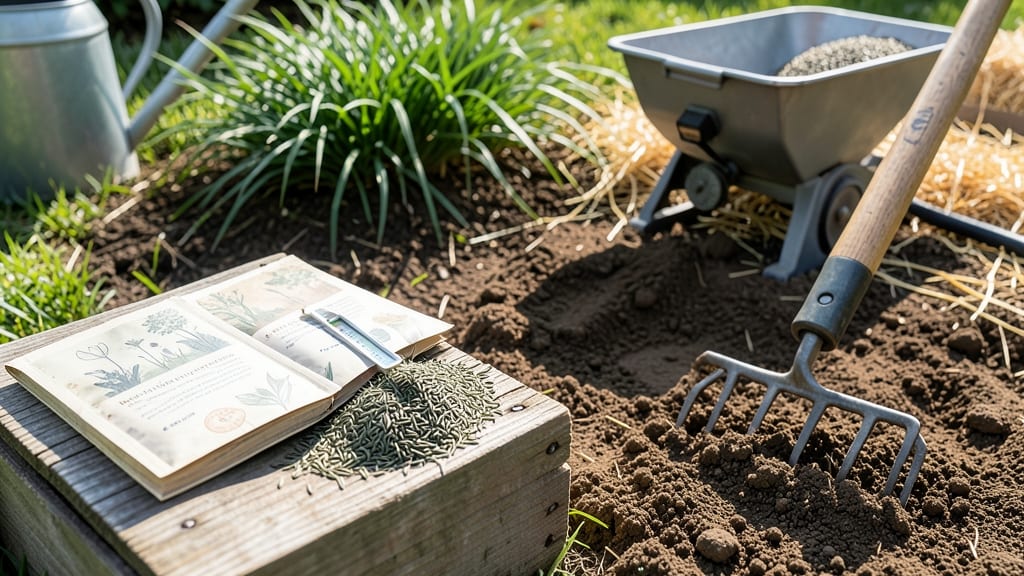
Planting grass seed in NC at the right time means the difference between a thick, green lawn and a patchy, struggling mess—especially when you factor in the state’s shifting seasons and microclimates.
North Carolina’s unpredictable climate can turn a lush green lawn into a patchy nightmare if you plant grass seed at the wrong time—but timing it right means a thick, resilient yard that outlasts summer heat and winter freezes.
Cool-season grasses like tall fescue and Kentucky bluegrass need 60°F soil temperatures and 60 days of frost-free growth to establish strong roots before winter. That window opens in late summer or early fall, when the heat has eased but the first frost hasn’t arrived.
In this guide, I’ll break down the exact planting months for your region—whether you’re in the Coastal Plain, Piedmont, or Mountains—plus soil prep tips and watering schedules to ensure your grass takes hold before winter hits.
NC’s ideal grass seed planting window: when cool season grasses thrive
North Carolina’s three distinct regions—coastal plains, piedmont, and mountains—each have unique frost patterns that dictate the perfect window for planting cool-season grasses like tall fescue and Kentucky bluegrass.
The September-October window isn’t just ideal; it’s the only time these grasses can establish deep roots before winter dormancy, ensuring a thicker, greener lawn next spring.
Cool-season grasses thrive when soil temperatures hover between 60°F and 75°F, allowing seeds to germinate quickly while avoiding summer’s scorching heat. Planting too early means battling weeds, while waiting too late risks early frost stunting growth.
The key? Time it so seeds sprout 4-6 weeks before the first hard frost—giving roots time to anchor before winter’s chill sets in.
In the coastal plains, where humidity lingers longer, aim for mid-August planting to beat the October rains and give seeds time to establish before the mid-November frost.
The piedmont’s warmer microclimate extends the window until mid-October, but don’t wait past the late October frost—seeds need 60 days to germinate and root.
The mountains present a tighter window due to earlier frosts, but their cooler soils actually favor tall fescue, which thrives in 55°F–65°F ranges. Plant by early September to ensure roots harden before the early November frost.
Pro tip: Use a soil thermometer to confirm temps—cool-season grasses won’t germinate below 50°F.
Why does this window work? Cool-season grasses grow best when daytime temps are warm but nighttime temps cool down, signaling them to shift from vegetative to root growth. This September-October sweet spot delivers 60–70°F days with 50–60°F nights, perfect for Kentucky bluegrass and fine fescue varieties.
One common mistake? Planting in late October or November, assuming “it’s still fall.” But by then, soil temps drop below 55°F, and seeds either rot or lie dormant until spring—when weeds steal the show.
For best results, mark your calendar for September 15th as the absolute deadline across most of NC.
Regional adjustments matter too. In hurricane-prone coastal areas, delay planting until after Labor Day to avoid storm damage to young seedlings. Meanwhile, piedmont gardeners should test soil moisture—clay-heavy soils dry faster in fall, so deep watering (1–1.5 inches per week) is critical.
Mountain regions? Focus on shade-tolerant blends like fine fescue, which handle the shorter growing season better.
For those tempted to plant in early spring, remember: Weeds outcompete grass seeds when soil temps rise above 65°F. Spring planting is risky unless you’re overseeding an established lawn—then, aim for March when soil warms to 55°F consistently.
But for new lawns, fall is the only game-changer.
My personal rule? Plant by September 30th regardless of region—it’s the safest deadline before frost. Use a seed starter fertilizer with high phosphorus (like 5-10-10) to boost root growth, and keep soil moist with daily light watering until germination (about 10–21 days).
With this timing, you’ll wake up next spring to a uniform, weed-free lawn that’s ready to handle NC’s summer heat.
How to prepare your NC lawn for fall grass seed planting (step-by-step)
Fall is the perfect time to plant grass seed in North Carolina, but proper preparation is key to avoiding thin spots and poor germination. Cool-season grasses like tall fescue and Kentucky bluegrass need ideal conditions—warm soil, moisture, and minimal competition—to establish deep roots before winter.
Skipping prep steps often leads to wasted seed and patchy lawns, especially in NC’s clay-heavy soils that can compact easily.
Start by testing your soil’s pH level—aim for 6.0 to 7.0.
NC’s acidic soils often need lime to raise pH, while alkaline areas may require sulfur. Weed control is next: apply a pre-emergent herbicide or manually remove weeds 2–3 weeks before planting to prevent seedling competition. Clay soils in the Piedmont region need extra attention—amend with compost or sand to improve drainage and aeration.
- Test soil pH (use a home test kit or send to a lab). Adjust to 6.0–7.0 with lime or sulfur if needed.
- Mow short (set lawnmower to 1–1.5 inches) and remove thatch with a rake or dethatching tool.
- Till or aerate 2–3 inches deep to loosen soil. For clay soils, add compost or sand (50/50 mix).
- Apply starter fertilizer (high in phosphorus, like 10-20-10) to encourage root growth.
- Level the soil with a rake, filling low spots with topsoil. Seed-to-soil contact is critical for germination.
- Water lightly before planting to settle soil. Avoid heavy rain 24–48 hours before seeding.
After tilling, level the soil to prevent water pooling, which can drown seeds.
For clay-heavy areas, mix in 1–2 inches of compost to improve structure and moisture retention. Starter fertilizer with phosphorus (P) is non-negotiable—it jumpstarts root development. Phosphorus helps seeds break dormancy faster, giving them a head start before cooler temperatures arrive.
Once your soil is prepped, plant seeds evenly using a broadcast spreader or by hand for small areas.
Lightly rake the soil to ensure seed-to-soil contact, then water gently to avoid displacing seeds. Consistent moisture is critical—aim for 1 inch of water per week, split into two daily sessions (morning and evening) to prevent crusting. Clay soils may need deeper watering (2 inches) to penetrate compacted layers.
For the first 2–3 weeks, keep the soil moist but not soggy.
Use a light mulch (straw, not wood chips) to retain moisture and protect seeds from birds. Avoid walking on the area until germination (7–21 days, depending on grass type). Tall fescue germinates faster in warm fall soil than Kentucky bluegrass, so adjust watering accordingly.
With these steps, your NC lawn will have a thick, resilient stand by spring—ready to handle summer heat and winter freezes. Fall planting gives grass time to establish roots before dormancy, outpacing spring plantings that struggle with summer drought. Pro tip: Mark your calendar for early September to hit the optimal window before first frost (typically mid-November in most of NC). 🌱