
How To
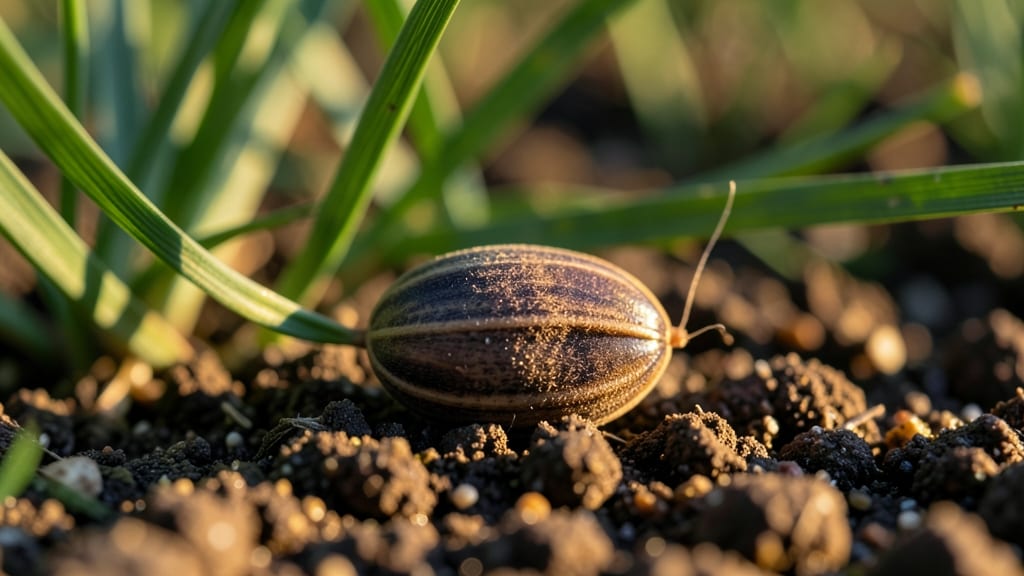
Planting centipede grass seed in North Carolina at the right time means the difference between a thick, green lawn and a patchy disappointment.
North Carolina’s humid climate and unpredictable spring weather can make timing your centipede grass seed planting a real challenge—but getting it right means lush, drought-resistant turf all summer long.
For most of the state, the ideal window is late spring to early summer, when soil temperatures stay above 65°F and the last frost has passed. That’s usually around mid-April to June, but coastal areas can start a little earlier.
Below, I’ll break down the exact planting dates by region, soil prep tips for NC’s clay-heavy soils, and how to avoid common mistakes that kill germination before it starts.
Centipede grass seed planting dates by NC region (soil temp & frost-free deadline)
Timing your centipede grass seed planting in North Carolina is all about catching that perfect soil temperature window—typically between 70-75°F—while avoiding late spring frosts that can kill tender seedlings.
The Coastal Plain, Piedmont, and Mountain regions each have unique frost-free deadlines, so let’s break down the ideal planting windows for each. Pro tip: Late summer replanting (August) can also work for fall establishment if you’re in a warmer microclimate.
Centipede grass thrives in NC’s USDA Zones 7a-8b, but the last frost dates vary dramatically—from early March in the Coastal region to mid-April in the Mountains. Planting too early risks frost damage, while waiting too long can stress seedlings during summer heat.
The key is to align your planting with soil warmth and rainfall patterns to ensure consistent moisture during germination.
Soil temperature is your best indicator: Use a soil thermometer to confirm 65°F+ at 4 inches deep before sowing. Coastal areas often hit this threshold by mid-April, while Mountain regions may need to wait until late May. For late summer replanting, aim for August 1-15 to give seedlings time to establish before fall dormancy.
Here’s how NC’s three main regions compare for centipede grass seed planting:
For Coastal NC, the April 15-May 15 window aligns perfectly with rising soil temperatures and lower rainfall competition. In the Piedmont, where frosts linger longer, late April to early June gives seedlings time to establish before summer heat.
Meanwhile, Mountain gardeners should wait until mid-May to avoid frost and ensure soil warmth.
If you’re replanting in late summer, focus on August planting for fall establishment. This works best in Coastal and Piedmont regions, where temperatures remain mild enough for 6-8 weeks of growth before dormancy.
Mountain regions are too cool for this method, as seedlings may struggle to mature before first frost in November.
Pro tip: Monitor your local Almanac frost-free dates and pair them with soil temperature checks. If your soil hits 70°F but forecasts show rain, delay planting by 1-2 weeks to avoid waterlogged seeds.
Centipede grass seeds need consistent moisture but not soggy soil—a delicate balance in NC’s humid summers.
Once you’ve nailed the planting window, focus on light, frequent watering (about ¼ inch per day) for the first 30 days to encourage deep root growth. Avoid heavy foot traffic until the grass reaches 3-4 inches tall, typically 6-8 weeks after planting.
With the right timing, your centipede lawn will outperform other grasses in NC’s heat and humidity.
Remember: Centipede grass is drought-tolerant once established, but seedlings need consistent care during the critical first month. By aligning your planting with soil temperature and regional frost patterns, you’ll set your lawn up for summer-long success. 🌱
How to prepare your NC lawn for centipede grass seed (step-by-step soil prep)
Preparing your North Carolina lawn for centipede grass seed starts months before planting. This drought-resistant grass thrives in acidic soil (pH 5.0-5.5), so proper prep ensures strong germination and rapid establishment.
Skipping these steps often leads to patchy growth or weed competition. Let’s break down the essential soil prep tasks tailored for NC’s climate.
First, test your soil pH using a home kit or lab service. Centipede grass hates alkaline soil—if your pH reads above 6.0, you’ll need to lower it with sulfur or peat moss.
In NC, Coastal Plain regions often have naturally acidic soil, while Piedmont areas may need more aggressive amendments. Aim to adjust pH 4-6 weeks before planting for best results.
Next, remove existing weeds and debris using a combination of pre-emergent herbicide (applied 2-3 weeks before planting) and manual removal. Centipede grass competes poorly with weeds during early growth, so a clean slate is critical.
For stubborn weeds like nutsedge or clover, spot-treat with vinegar or a glyphosate-based herbicide 4 weeks out.
📋 Step-by-Step Soil Prep Checklist
- 🌱 Test soil pH (target: 5.0-5.5). Adjust with sulfur or peat moss if needed.
- 🪴 Till soil 4-6 inches deep to loosen compacted layers and mix in 2-3 inches of compost.
- 💧 Apply pre-emergent herbicide 2-3 weeks before planting to block weeds.
- 🌿 Rake the area smooth and remove all rocks/debris to ensure good seed-to-soil contact.
- 🌳 Spread 1 inch of pine straw mulch (NC-native!) to retain moisture and suppress weeds.
- ⏰ Schedule irrigation for daily light watering (10-15 mins) starting 3 days before planting.
After clearing weeds, till the soil 4-6 inches deep to break up compacted layers. This improves root penetration and drainage, which centipede grass needs to thrive. Mix in 2-3 inches of compost or aged manure to boost organic matter—NC’s sandy soils often lack nutrients.
For sandy Coastal Plain areas, add 10% peat moss to improve water retention.
For optimal seed contact, rake the tilled area smooth with a bow rake to create a fine, firm seedbed. Remove any remaining debris, as even small pebbles can prevent seed-to-soil contact, leading to bare spots.
In NC’s humid summers, mulch with 1 inch of pine straw (a native mulch!) to lock in moisture and block weeds without smothering new shoots.
Finally, set up your irrigation system for daily light watering (10-15 minutes) starting 3 days before planting. Centipede grass seeds need consistent moisture to germinate—aim for soil that stays damp but not soggy.
In NC’s Zone 7-8 heat, shallow watering can dry out seeds quickly, so water in the early morning to reduce evaporation.
With these steps complete, your lawn will be ready for centipede grass seed in just weeks. The key is patience and precision—rushing soil prep often leads to poor germination. Once planted, maintain light, frequent watering for the first 30 days to give your new grass a strong start.