
Plants
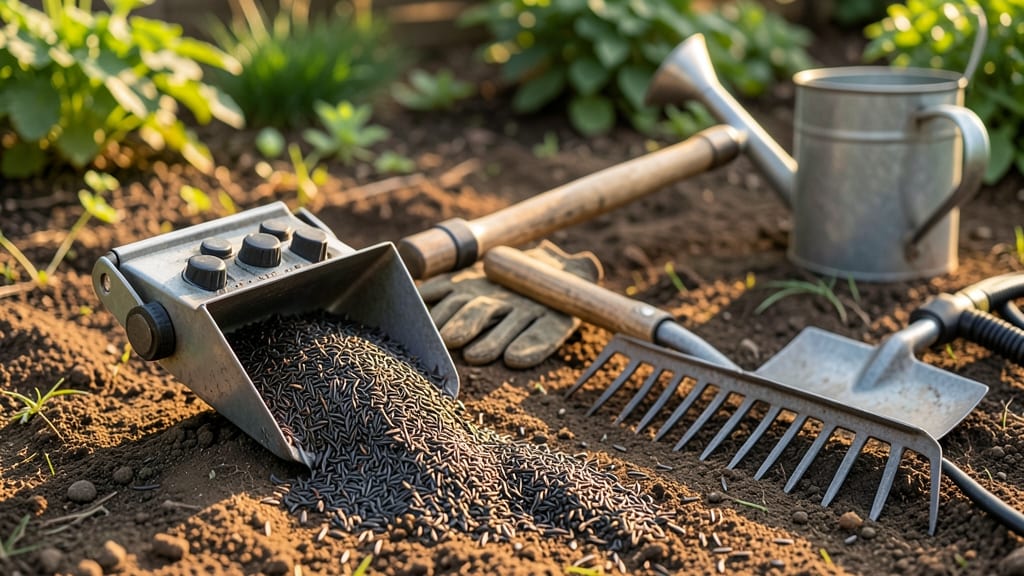
The best time to plant grass seed in North Carolina is during a 6-week window in early fall when soil temperatures drop and summer stress fades away 🌱.
North Carolina’s humid summers and unpredictable spring rains can turn grass seeding into a frustrating gamble—but timing it right in fall ensures thick, lush lawns by spring. The state’s unique climate demands precision, and missing this window could leave your lawn struggling for years.
Why fall? Cooler temperatures mean less water loss, and fewer weeds compete with your new grass. Plus, roots establish deep before winter, giving you a head start in spring.
But there’s a catch: planting too early risks summer heat stress, while seeding too late may not allow enough growth before frost.
Below, I’ll break down the exact August-September window that works for your region—whether you’re in the mountains, Piedmont, or coastal plains—plus soil prep tips and the grass varieties that thrive here.
North Carolina’s ideal fall planting window: weeks 6-8 after first frost
North Carolina’s fall planting window offers the perfect balance of soil warmth and reduced weed competition—critical factors for grass seed success. While spring planting is popular, fall’s cooler temperatures (60-75°F soil) create ideal conditions for seed germination and root establishment before winter dormancy.
This 6-week window, typically late August to early October, aligns with NC’s microclimates, from the coastal plains to the mountain regions.
The science behind this timing is simple: fall’s moderate temps prevent seedling stress from summer heat or winter cold. Grass seed planted now germinates slowly but steadily, developing deep root systems before ground freezes.
In contrast, spring planting often fails due to unpredictable rains, compaction from foot traffic, and weed competition that outpaces young grass.
Here’s how NC’s three distinct regions influence your fall planting timeline:
| Region | Ideal Planting Window | Soil Temp Threshold | Key Microclimate Factor |
|---|---|---|---|
| Coastal Plains | Late August–Mid October | 65–75°F | Higher humidity, slower drying soils |
| Piedmont | Early September–Early October | 60–70°F | Clay-heavy soils, faster cooling |
| Mountains | Mid August–Late September | 55–65°F | Cooler nights, shorter growing season |
The 6-week window (weeks 6-8 after first frost) ensures grass seed germinates before soil temps drop below 50°F, which halts growth. For example, in the Piedmont region, where clay soils retain heat longer, aim for early September planting.
Meanwhile, mountain areas with cooler microclimates should start as early as mid-August to maximize root development before frost.
Fall’s reduced weed pressure is another game-changer. Cool-season weeds like crabgrass and chickweed struggle to compete when grass seed is planted in late summer. Apply a pre-emergent herbicide 2 weeks before seeding to further suppress weeds.
This strategy lets your new grass establish without battling invasive species for sunlight and nutrients.
Moisture balance is critical during this window. Deep, infrequent watering (1–1.5 inches per week) encourages roots to grow downward, while shallow watering promotes weak, surface roots vulnerable to drought.
Use a rain gauge or tuna can to measure water accurately—overwatering in fall can lead to fungal diseases like brown patch, which thrives in damp conditions.
If you’re seeding in late September, choose cool-season grasses like tall fescue or ryegrass, which tolerate light frosts. For warm-season grasses (e.g., Bermuda or Zoysia), plant by mid-August to allow roots to harden off before winter. Always check the back of your seed packet for region-specific recommendations.
Pro tip: Test your soil’s pH level (ideal: 6.0–7.0) before planting. Acidic soils (common in Piedmont) may need lime, while sandy soils (coastal areas) benefit from compost to retain moisture. Adjusting pH now ensures your grass seed germinates efficiently when planted in the optimal window.
Timing isn’t just about dates—it’s about reading your lawn’s signals. If your soil feels too warm (above 75°F) or too dry in early August, delay planting until temps drop. Conversely, if frost threatens by mid-October, prioritize seeding over other garden tasks to secure your lawn’s future.
By planting during NC’s 6-week fall window, you’re not just following a calendar—you’re harnessing the natural rhythm of the season. Cooler temps, fewer weeds, and ideal soil conditions work together to give your grass seed the best possible start for a lush, resilient lawn by spring.
How to prepare your lawn for grass seed success in fall
Fall is the perfect time to plant grass seed in North Carolina because cooler temperatures and increased rainfall create ideal conditions for seed germination. The 6-week window between late August and early October allows grass roots to establish deeply before winter dormancy.
This preparation phase is critical—skipping it can lead to patchy lawns or failed germination due to compacted soil or weed competition.
Your first step is testing your soil’s pH level, which should be between 6.0 and 7.0 for optimal grass growth. Coastal regions often have slightly higher pH due to salt deposits, while inland areas may need lime to adjust acidic soils.
Use a soil test kit or send a sample to your local Cooperative Extension Service for precise results.
⚠️ PROS-CONS BOX: BEST TIME TO PLANT GRASS SEED IN NORTH CAROLINA ⚠️
- ✅ Cooler temps reduce stress on new seedlings
- ✅ Increased rainfall supports germination
- ✅ 6-8 weeks to establish roots before frost
- ✅ Fewer weeds compete with new grass
- ⚠️ Hot summers can stress new seedlings
- ⚠️ Spring rains may wash away seed
- ⚠️ Weed competition is fierce
- ⚠️ Limited time to establish before heat
Aeration is your next critical step, best done 2 weeks before seeding. This process opens up compacted soil, allowing seeds to make direct contact with moisture and nutrients. Rent a core aerator or hire a lawn service if your soil feels hard when pressed. Focus on areas with heavy foot traffic or clay-heavy soils, which are common in the Piedmont region.
Weed control is non-negotiable in fall. Apply a pre-emergent herbicide 2-3 weeks before seeding to prevent weeds like crabgrass from sprouting. For existing weeds, use a post-emergent herbicide like glyphosate, but allow 7-10 days for it to break down before planting.
Hand-pulling is an eco-friendly option for small lawns, but it’s labor-intensive.
Choosing the right grass seed variety depends on your NC climate zone. Tall fescue thrives in inland areas with its deep roots and drought tolerance, while Bermuda and Zoysia are better for coastal regions with their heat and salt resistance.
Mixing seed varieties can create a thicker, more resilient lawn by filling in gaps where single varieties might struggle.
Finally, spread a starter fertilizer with high phosphorus (e.g., 5-10-10) to encourage root growth. Lightly rake the soil to create a fine seed bed, then spread seed evenly using a broadcast spreader.
Water gently but frequently—keeping the soil consistently moist (not soggy) is key to germination. Aim for 1 inch of water per week during the first 3 weeks.