
Planting
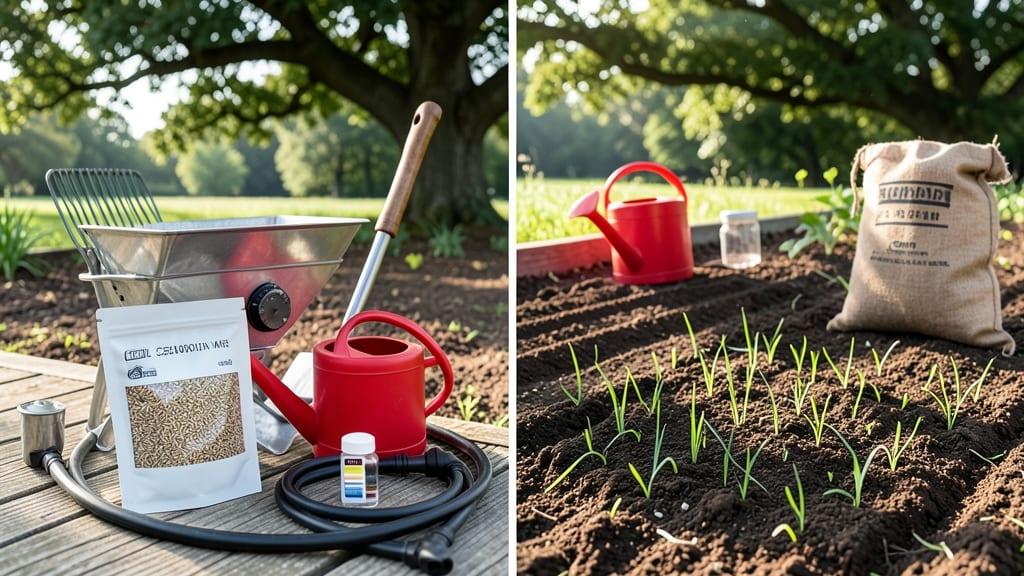
Planting grass seed in Michigan at the right time means the difference between a thick, frost-resistant lawn and a patchy, weed-filled disappointment.
Michigan’s unpredictable winters and hot summers make timing your grass seed planting a make-or-break factor for a lush, frost-resistant lawn. Plant too early, and frost will kill tender shoots; too late, and weeds take over.
Most gardeners assume spring is the only window—but late summer, specifically late August to mid-September, is actually the sweet spot for Michigan’s 5b-6b zones. Why? The soil stays warm enough for quick germination, but cooler temps slow weed competition.
Here’s the science-backed window—and pro tips—to get it right, including how to check your local microclimate for precision planting.
Michigan’s best grass seed planting window: late summer timing explained
Michigan’s cool-season grasses like Kentucky bluegrass and fine fescue thrive when planted in late summer, specifically between late August and mid-September. This window gives seeds time to germinate before winter frost while avoiding the heat stress of late summer.
The key is balancing soil warmth and cooling temperatures—ideal for strong root establishment before dormancy.
For warm-season grasses like Bermuda or Zoysia, late summer planting is still viable in southern Michigan (USDA zones 6a-6b), but northern regions should focus on cool-season varieties. The Upper Peninsula faces earlier frosts, so aim for early September at the latest.
Always check your local frost dates—planting 6-8 weeks before the first frost ensures success.
Soil temperature is your best guide. For cool-season grasses, target 50-65°F at a 4-inch depth. Use a soil thermometer to monitor—if temps drop below 50°F, germination slows dramatically. In northern Michigan, soil cools faster, so plant earlier in the window. Southern areas can extend planting into early October with minimal risk.
Microclimates play a huge role. A south-facing slope warms faster than a north-facing yard, delaying frost by 1-2 weeks. Check your yard’s exposure: shady spots may need fine fescue, while sunny areas handle Kentucky bluegrass better.
Use a frost-free date map from the Michigan State University Extension for precision.
Here’s why late summer works best: Weed competition is lower after summer’s peak, and moisture levels stay consistent. Plus, fall rains help seeds establish before winter. Skip spring planting if you’re in Zone 5b-6a—early spring seeds often brown out from summer heat before roots deepen.
| Factor | Cool-Season Grasses | Warm-Season Grasses |
|---|---|---|
| Best Planting Window | Late Aug–Mid-Sept | Late Aug–Early Sept (South MI) |
| Ideal Soil Temp | 50–65°F (4" depth) | 65–75°F (4" depth) |
| Frost Risk | Low (6–8 wks before frost) | High (plant early) |
| Water Needs | Daily for 2 wks | Deep watering 3x/week |
| Shade Tolerance | High (fine fescue) | Low (full sun only) |
If you’re unsure about your USDA zone, Michigan spans 5b-6b, but local variations matter. For example, Traverse City (Zone 6a) can plant 1 week later than Marquette (Zone 5b).
Test your soil’s pH (6.0–7.0 ideal) and organic matter (3–5%)—amend with compost if needed. A soil test kit from your local Cooperative Extension office costs $15 and saves guesswork.
Pro tip: Overseed in fall for thicker lawns. Cool-season grasses grow 60% of their roots in the final 6 weeks before dormancy. If you miss late summer, early spring (March–April) is your second chance—but watch for early frost in northern Michigan.
Always mow low before planting to expose soil and reduce competition.
For warm-season grasses, late summer planting is riskier in northern Michigan due to earlier frosts.
If you’re in Zone 6b (southern MI), you can push to early October, but Zone 5b gardeners should stick to cool-season types. Bermuda grass, for example, won’t survive Zone 5b winters—opt for tall fescue blends instead.
Remember: Consistent moisture is critical after planting. Use a sprinkler with a rain gauge to deliver 1 inch of water weekly (or daily for the first 2 weeks). Morning watering prevents fungal diseases like dollar spot.
Mulch with straw (not wood chips) to retain moisture and protect seeds from bird damage.
By planting in late summer, you’ll avoid the heat stress of late spring and the weed dominance of early fall. Your lawn will establish deep roots before winter, emerging greener and denser next spring.
Step-by-step late summer grass seed planting checklist for Michigan lawns
Late summer—specifically late August to mid-September—is your best shot at establishing a frost-resistant lawn in Michigan. This window lets seeds germinate in 60°F soil while avoiding the weed competition of early spring.
But timing isn’t one-size-fits-all: the Upper Peninsula needs earlier prep than the Lower Peninsula due to cooler microclimates. Let’s break it down into actionable steps to avoid costly mistakes.
Before you even touch seed, test your soil pH—Michigan’s clay-heavy soils often run acidic (pH 6.0-6.5). Cool-season grasses like Kentucky bluegrass and tall fescue thrive at 6.0-7.0 pH.
If your test shows below 6.0, add pelletized lime 4-6 weeks before planting. For Upper Peninsula gardeners, aim for 6.5-7.0 pH—cooler temps slow pH adjustment.
📋 Late Summer Grass Seed Planting Checklist
- Step 1: Test soil pH (aim for 6.0-7.0 for cool-season grasses). Use a home test kit or send a sample to your local MSU Extension office.
- Step 2: Adjust pH if needed. For Lower Peninsula, apply lime 4 weeks before planting. Upper Peninsula soils may need 6 weeks due to slower chemical reactions in cooler temps.
- Step 3: Kill weeds with pre-emergent. Apply corn gluten meal (natural option) or pendimethalin 2 weeks before seeding. Upper Peninsula areas with thistle or creeping Charlie may need spot treatment with vinegar + dish soap.
- Step 4: Choose seed blends. Lower Peninsula: Mix 60% Kentucky bluegrass + 40% tall fescue. Upper Peninsula: Opt for 100% fine fescue—it tolerates shade and cooler soils.
- Step 5: Loosen soil with a core aerator (rent or borrow). For compacted clay soils (common in Southeast Michigan), add compost during aeration.
- Step 6: Plant seeds at ¼-inch depth using a broadcast spreader. Lightly rake to cover. Water immediately with a fine mist to avoid washing seeds away.
- Step 7: Mulch with straw (not hay—it contains weed seeds). Use ¼-inch layer to retain moisture. Upper Peninsula may need extra mulch due to cooler nights.
- Step 8: Water daily for 10-15 minutes until seeds germinate (7-14 days). Reduce to every other day once grass reaches 2 inches.
After planting, avoid walking on new grass for at least 4 weeks—compaction kills tender roots.
For Lower Peninsula lawns, first frost typically hits mid-October, so time your planting to finish 6 weeks before to ensure roots establish. Upper Peninsula gardeners should aim for early September planting to beat the earlier frost (late September).
Pro tip: Use a soil thermometer to confirm 60°F+ soil temps before planting—cold soil delays germination. If temps drop below 50°F at night, cover seeds with lightweight row fabric until morning. This trick works miracles in Northern Michigan’s unpredictable late summer weather.
Finally, fertilize lightly 4 weeks after germination with a starter fertilizer (10-10-10). Skip high-nitrogen blends—they encourage top growth over root development, leaving your lawn vulnerable to winter dieback.
For shady areas (common in Michigan’s forests and urban lots), choose fine fescue blends—they tolerate 2-4 hours of shade daily.