
Planting
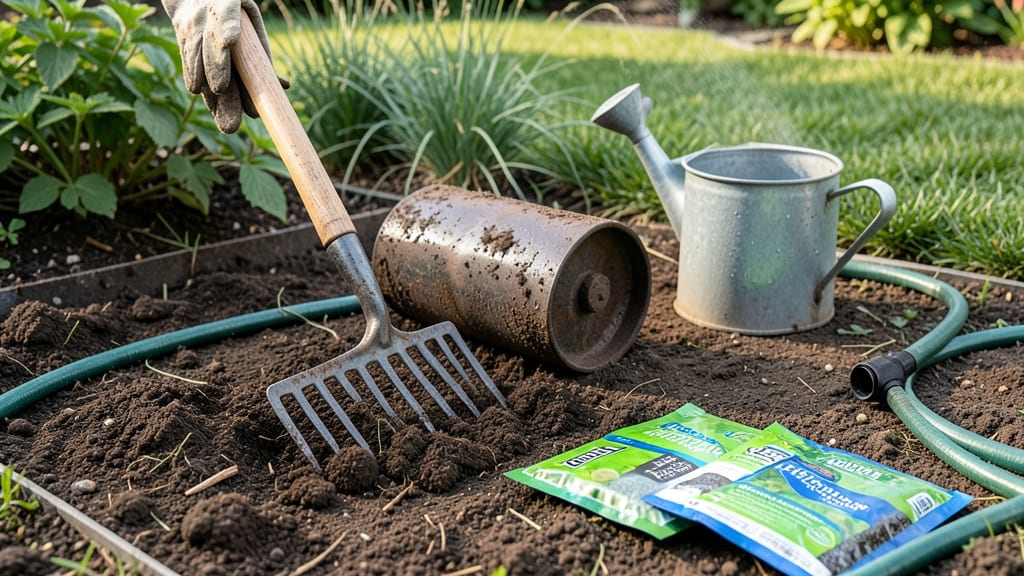
Planting grass seed in Illinois at the right time means the difference between a lush lawn in 30 days and waiting months for germination.
Picture this: you’ve spent your hard-earned cash on premium seed, only to watch it sprout unevenly—or worse, not at all—because the soil was too cold or too hot. That’s why timing isn’t just about the calendar; it’s about soil temperature, which can vary by 10°F between northern and southern Illinois.
Cool-season grasses (like Kentucky bluegrass or tall fescue) thrive when soil hits 50-65°F, while warm-season types (like Bermuda) need 65-75°F. In Illinois, that means planting between early March and mid-April for spring or mid-August to early September for fall—before the first frost.
Below, I’ll break down the exact soil temps to aim for, regional adjustments for Chicago vs. St. Louis, and how to test your soil like a pro so you’re not guessing. No more wasted seed or patchy lawns—just fast, reliable growth.
Best Illinois grass seed planting months by soil temperature (not calendar months)
In Illinois, timing your grass seed planting by soil temperature—not just calendar months—is the key to fast germination and a thick lawn. Cool-season grasses like Kentucky bluegrass and tall fescue thrive when soil temps sit between 50°F and 65°F, while warm-season grasses such as Bermuda and Zoysia need 65°F to 75°F for optimal growth.
Ignoring these ranges often leads to slow sprouting or seed loss.
Most Illinois gardeners focus on spring and fall planting, but the exact window shifts yearly based on weather patterns. For example, northern Illinois (Zone 5) may see ideal spring temps in late April to early May, while southern Illinois (Zone 6) could start as early as mid-March.
Fall planting typically works 4-6 weeks before the first frost, often landing in August or early September.
Here’s the critical rule: Never plant when soil temps exceed 75°F, as this stresses grass seeds and reduces germination rates. A soil thermometer (just $10 at garden centers) is your best tool for precision—stick it 2 inches deep in moist soil and check daily before committing to planting.
For cool-season grasses, aim to plant when daytime highs hover around 60°F and nighttime lows stay above 40°F. This typically aligns with March through April in most of Illinois, but northern areas like Chicago may need to wait until late April due to slower soil warming.
In southern Illinois, you might start as early as mid-March if temps cooperate.
Fall planting is often overlooked but yields thicker, more drought-resistant lawns because seeds establish roots before winter. Shoot for August to early September, ensuring 4-6 weeks of growth before the first frost.
For example, if your area’s first frost hits October 15, plant by September 1 to give seeds time to germinate and root.
If you’re planting warm-season grasses, wait until after the last frost date, usually mid-May to June in Illinois.
These grasses need consistent warmth to germinate, so planting too early (when soil temps dip below 65°F) can leave seeds dormant or attract pests. Bermuda grass, for instance, may take 14–21 days to sprout at 70°F but could stall entirely if temps drop below 60°F.
Pro tip: Use a moisture test alongside your soil thermometer. Press your finger 2 inches into the soil—if it feels dry and crumbly, water deeply 24 hours before planting.
Grass seeds need consistent moisture to germinate, but soggy soil can suffocate them. Aim for 1 inch of water per week (or daily light watering for newly seeded areas) until germination occurs.
One common mistake is planting cool-season grass in summer or warm-season grass in fall. Summer heat stresses cool-season seeds, while fall’s dropping temps shock warm-season varieties.
Always match your grass type to the seasonal soil conditions—this simple step can mean the difference between a lush lawn in 6 weeks and a bare patch for months.
For Illinois gardeners, late August to early September is the sweet spot for cool-season grass because it balances warm soil (from summer) with cooling air temps. This gives seeds enough energy to sprout while avoiding the intense summer heat that can dry out new seedlings.
Mark your calendar: check soil temps weekly in August and plant as soon as they drop below 70°F.
Remember, soil temperature > calendar month every time. A $10 soil thermometer is your best investment for fast, reliable germination. Plant at the right time, and you’ll be mowing a thick, green lawn in just 2–3 weeks—not months! 🌱
How to check soil temperature before planting grass seed in Illinois
Don't let the calendar fool you—soil temperature is the real indicator for planting grass seed in Illinois. Cool-season grasses like tall fescue and Kentucky bluegrass need 50-65°F soil, while warm-season grasses like Bermuda prefer 65-75°F.
Checking your soil's warmth ensures your seed germinates quickly and grows strong. I'll show you how to test it accurately, plus alternative methods when tools aren't available.
Most gardeners skip this step, but soil temperature affects germination rates by up to 40%. In Illinois, early spring and fall can have wildly different soil temps even when air temps feel similar.
For example, a 55°F soil in March might be perfect for Kentucky bluegrass, while the same temp in October could delay growth. Let's get your soil tested the right way.
How to Test Soil Temperature for Grass Seed Planting
- 🌡️ Step 1: Buy a soil thermometer (digital or dial) from your local garden center. Look for one with a 4-inch probe to reach the planting depth. $10-$15 gives you accurate readings for years.
- 🕒 Step 2: Test in the morning between 8-10 AM when soil temps are most stable. Avoid testing after rain or in direct sun, which can skew results by 5-10°F.
- 📏 Step 3: Insert probe 1-2 inches deep (standard planting depth for grass seed). Hold for 30 seconds to get an accurate reading. Most thermometers display temps within 1°F accuracy.
- ⏳ Step 4: Test for 3 days in a row at the same time. Soil temps fluctuate daily—aim for the average of your readings. This accounts for Illinois' unpredictable spring/fall weather swings.
-
📅 Step 5: Compare to ideal ranges:
- Cool-season grasses (Kentucky bluegrass, tall fescue): 50-65°F
- Warm-season grasses (Bermuda, zoysia): 65-75°F
- 🔄 Step 6: Adjust planting dates if needed. If temps are too low, wait 1-2 weeks and retest. If too high (above 80°F), delay until evening temps drop below 75°F.
No thermometer? No problem. Illinois gardeners have used these alternative methods for decades. Stick a carrot or potato in the ground for 30 minutes—if it feels cool but not icy, your soil is likely 50-60°F.
For warmer temps, use your hand: 60°F feels like a warm bath, while 70°F is hotter than a summer sidewalk.
Pay attention to local weather patterns too. In Northern Illinois (Zone 5), soil warms 2-3 weeks later than Southern Illinois (Zone 6). Check your last frost date (typically April 15 in Chicago, April 1 in Carbondale) and plant 4-6 weeks before for fall seeding.
Use free tools like the Old Farmer's Almanac or NOAA climate maps to track soil warming trends in your area.
Remember: Consistent moisture also affects soil temperature. Dry soil warms 5-10°F faster than moist soil. Keep your planting area lightly watered (about 1/4 inch per week) leading up to seeding.
This creates stable conditions for your grass seed to germinate reliably. Once you've confirmed the right soil temp, you're ready to plant with confidence!