
Lawn
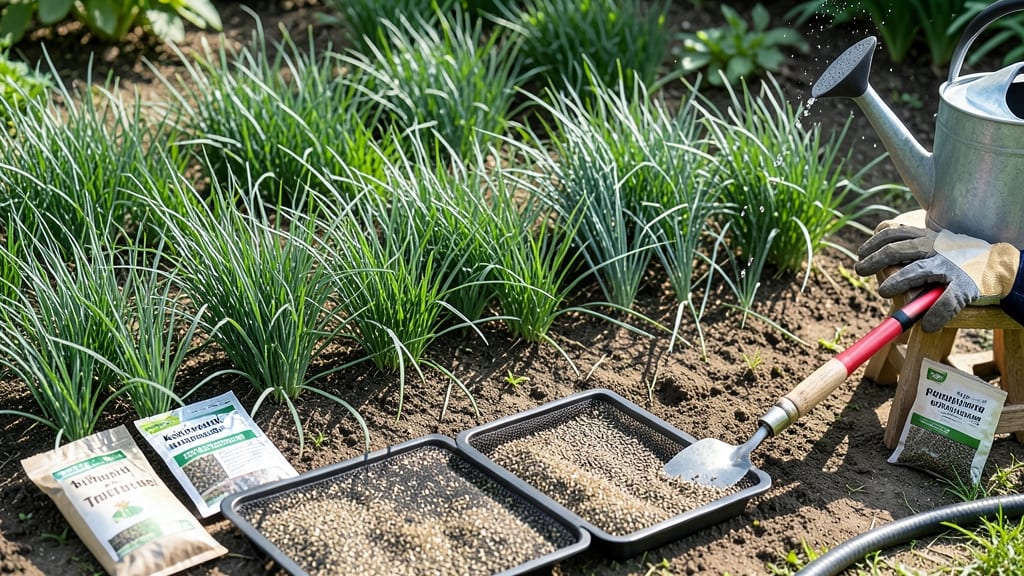
Fall seeding gives you the best chance for thick, green grass next spring—if you time it right. 🌱 I learned the hard way that planting too early or too late means weeds win, not your grass.
The magic window is 4-6 weeks before your first frost, when soil stays warm enough for germination but air cools for young roots.
This timing works because cool-season grasses like fescue and ryegrass thrive in 50-65°F soil and 60-75°F air. Northern gardens should seed by mid-September; southern zones can wait until October. The key is avoiding summer heat stress or winter dormancy before roots establish—both kill seedlings faster than you’d think.
You’ll end up with a lawn that fills in twice as fast as spring seeding, thanks to fewer weeds and consistent moisture. Just prepare soil properly (loosen, level, and top with compost), choose the right seed mix for your climate, and keep the area moist for 2-3 weeks after planting.
Even in drought-prone areas, fall’s natural rainfall reduces watering hassles. The trick is monitoring soil moisture—it should stay damp like a wrung-out sponge, not soggy. Southern gardeners can push seeding into November, but northerners should stop by early October to avoid frost surprises.
📚 In This Guide
- What you need
- Instructions
- Tips and common mistakes
- Wrapping up and next steps
What you need
- ● Grass seed: 10–20 lbs per 500 sq. ft. (Choose cool-season varieties like Kentucky bluegrass, fescue, or ryegrass for fall planting.)
- ● Lawn soil test kit: Ensures pH (ideal: 6.0–7.0) and nutrient balance before seeding.
- ● Topsoil or compost: ¼–½ inch layer to improve seed-to-soil contact and nutrients.
- ● Rake (bow or stiff-bristle): For loosening soil and creating a fine, level seedbed.
- ○ Broadcast spreader (optional but helpful): For even seed distribution (manual or drop spreader works too!).
- ● Starter fertilizer: Low-nitrogen (5–10%), high-phosphorus (20–30%) blend to kickstart root growth.
- ● Water source (hose or sprinkler): With a fine mist nozzle for gentle, frequent watering.
- ● Mulch (straw or peat moss): ¼-inch layer to retain moisture and protect seeds from birds.
- ● Ideal seeding window: 4–6 weeks before first frost (typically mid-September to early November in most U.S. zones).
- ● Soil temperature: 60–75°F—cool enough for germination but warm enough to avoid dormancy.
- ● Weather forecast: Avoid seeding if rain (>0.5 inch) is expected in the first 24–48 hours.
- ● Lawn prep: Mow existing grass short (1–1.5 inches) and remove debris before seeding.
- ● Soil conditioner (gypsum or lime): If your soil test reveals compacted or alkaline soil.
- ● Erosion control blanket: For slopes or high-wind areas to protect seeds.
- ● Pre-emergent herbicide (applied before seeding): To prevent weeds from competing with new grass.
- ● Lawn roller (lightweight): Gently press seed into soil for better contact (use sparingly!).
How to time fall grass seeding for maximum root establishment
Here's the precise window I target every year—it's the difference between patchy lawns and lush growth.
🌱 Step 1: Identify Your Local Frost Date and Count Back 6-8 Weeks
First, find your average first frost date from a local weather source. Then mark 6-8 weeks before that date as your seeding window. In most northern climates, this falls between mid-August and early October. The goal is to give grass seeds 4-6 weeks of warm soil for germination, followed by 6-8 weeks of cool growth before dormancy.
I always verify with my local cooperative extension office—they track microclimates that can shift seeding windows by weeks. If you're in a transitional zone where fall temperatures stay mild, you might extend this to 10 weeks before frost, but never later. Grass won't establish strong roots if seeded too close to winter.
☀️ Step 2: Select the Ideal 3-Week Window Within That Period
Within your calculated window, pick a 3-week stretch where daytime temperatures average between 60-75°F and nighttime temps stay above 50°F. This is when cool-season grasses like Kentucky bluegrass and fescue germinate fastest. I check my weather app daily during this period—look for consistent morning dew as your signal that conditions are perfect.
Here's the thing—if you seed too early when soil is still warm, weeds will outcompete your grass. Too late, and the grass won't develop deep roots before dormancy. I've learned the hard way that seeding when nighttime temps dip below 45°F results in weak, slow-growing seedlings that never recover.
💧 Step 3: Prepare Soil When Temperatures Stabilize in Your Window
Once you've locked in your 3-week window, prepare the soil 1-2 weeks before seeding. The ideal soil temperature for seeding is 55-65°F—use a soil thermometer to confirm. Rake existing vegetation into the soil to create a seedbed, then loosen the top 1/2 inch of soil with a garden fork or aerator to improve seed-to-soil contact.
Don't till deeply—you'll disrupt the soil structure that supports root growth. Instead, focus on creating a fine, crumbly texture. I like to work in the morning when soil is slightly damp from dew, which makes it easier to achieve the right texture. If your soil feels dry to the touch, water lightly the day before preparing.
⏰ Step 4: Seed During the Cooler Part of Your Window
Plant your grass seed during the cooler portion of your 3-week window—typically the last 10-14 days. This timing ensures seeds germinate when soil temperatures are optimal (55-65°F) but before the first hard frost. I always seed in the late afternoon to avoid the heat of midday, which can dry seeds out before they establish contact with soil moisture.
Cover seeds with 1/4 inch of soil or a thin layer of compost—this protects them from drying winds while still allowing light penetration. Water immediately after seeding with a gentle spray to settle the soil and activate germination. You'll see the first sprouts appear in 7-21 days, depending on your grass type and moisture conditions.
🌿 Step 5: Maintain Moisture Until Grass Reaches 3 Inches
For the first 2-3 weeks after seeding, keep the soil consistently moist—like a wrung-out sponge. Water lightly every 2-3 days rather than heavily once or twice a week. You'll know you're doing it right when the top inch of soil stays damp but not soggy. Overwatering at this stage leads to fungal diseases that can wipe out seedlings overnight.
Once grass reaches 3 inches tall, reduce watering to 1 inch per week to encourage deep root growth. This is when you'll see the real payoff of your timing—grass that's established enough to handle winter dormancy and bounce back vigorously in spring. I always mark my calendar with the seeding date so I can track this critical growth milestone.
Tips & tricks for perfect fall grass establishment
These precision timing tricks will help you avoid the most common seeding mistakes—and get that perfect fall lawn every time.
Microclimate Matters: The 6-8 week countdown from frost works for most northern climates, but your local cooperative extension office can provide hyper-local adjustments. I've seen seeding windows shift by up to two weeks between neighboring valleys—always verify before committing to your calendar. For transitional zones where fall stays unusually warm, you can extend to 10 weeks before frost, but never push it closer than that to winter dormancy.
Temperature is Everything: The 60-75°F daytime range and 50°F minimum nighttime temperature are non-negotiable for cool-season grasses. Use a soil thermometer to confirm—seeds won't germinate properly below 55°F or above 75°F. I've learned this the hard way after watching seedlings fail when nighttime temps dipped below 45°F, which happens more frequently than most weather forecasts predict.
Soil Prep Timing Secret: The 1-2 week soil preparation window before seeding is your chance to create the perfect seedbed. Work when soil temperatures are stable at 55-65°F (morning is ideal) and the ground is slightly damp from dew. This timing ensures you're not working with dry, compacted soil that will prevent proper seed-to-soil contact. I always do a quick soil moisture test by squeezing a handful—it should hold together but not be sticky.
Seed Covering Precision: That 1/4 inch of soil or compost covering might seem insignificant, but it's the difference between successful germination and seed desiccation. Too little exposure and seeds won't get enough light; too much and they'll suffocate. I use a straightedge to create an even covering—this ensures consistent moisture penetration across your entire seeding area.
Pro Tips for Best Time To Seed Grass In Fall
- These precision timing tricks will help you avoid the most common seeding mistakes—and get that perfect fall lawn eve...
- Microclimate Matters: The 6-8 week countdown from frost works for most northern climates, but your local cooperative ...
- Temperature is Everything: The 60-75°F daytime range and 50°F minimum nighttime temperature are non-negotiable for co...
Frequently asked questions
Got questions about seeding grass in the fall? You’re not alone! Here are answers to the most common concerns to help you get started with confidence.
What’s the ideal temperature range for seeding grass in fall?
The sweet spot for cool-season grasses is when soil temps hover between 60–75°F (15–24°C). This usually happens 4–6 weeks before your first hard frost. Warm-season grasses, like Bermuda or Zoysia, should be seeded in late summer (when temps dip below 85°F/29°C) for a fall transition.
Can I seed grass too late in the fall?
Yes! If you seed too close to frost (within 4–6 weeks), seedlings won’t establish roots before winter. Aim to finish seeding at least 4–6 weeks before the first hard freeze. If you miss the window, wait until early spring—just be prepared for slower growth and potential weed competition.
How do I know if my local climate is right for fall seeding?
Check your USDA Hardiness Zone (Zone 3–10 for cool-season grasses) and track local frost dates. Most regions benefit from fall seeding, but southern zones (7–10) may need to seed in late summer for warm-season grasses. Use a soil thermometer to confirm temps are in the 60–75°F range.
What if my lawn has weeds or bare spots? Should I still seed in fall?
Fall is actually the best time to tackle weeds before seeding! Prep your lawn by:
- Mowing low (1–2 inches) to reduce weed competition.
- Removing debris and thatch (no more than ½ inch thick).
- Applying pre-emergent herbicide (if needed) 2–4 weeks before seeding.
Is fall seeding cheaper than spring? What’s the catch?
Fall seeding is often more cost-effective because:
- Lower competition from weeds and pests.
- Less watering needed (cool temps reduce evaporation).
- Seed and fertilizer discounts (retailers clear inventory before winter).
Wrapping up and next steps
Fall is your prime opportunity to seed grass—cool-season varieties thrive when temperatures drop, roots establish before winter, and weeds are less competitive. 🌱 By choosing the right timing (typically late summer to early October), preparing soil properly, and staying consistent with watering, you’ll set your lawn up for a lush, resilient spring.
Now that you’re armed with the know-how, roll up your sleeves and get started! Mark your calendar, gather your supplies, and watch your lawn transform into the envy of the neighborhood. Happy seeding! 🌿