
Plants
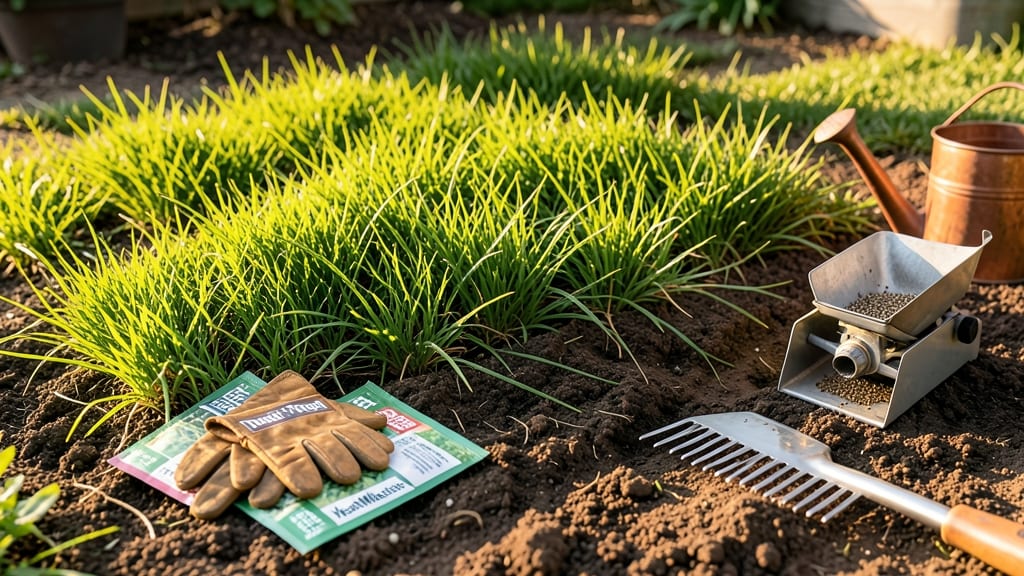
Plant grass seed in Austin during September–October or March–April when soil temperatures hit 60–65°F—the sweet spot for fast germination before summer’s brutal heat arrives.
If you’ve ever watched your lawn struggle through Austin’s scorching summers or unpredictable spring rains, you know timing is everything. Planting too early risks frost damage, while waiting too long means battling drought and heat stress before roots even take hold.
This 8b-zone guide breaks down the exact frost-free deadlines, soil prep tricks, and watering schedules that’ll give you a thick, lush lawn—without the guesswork.
You’ll learn which grass types thrive in Austin’s climate, how to prep soil for fast germination, and the 3-step post-planting care routine that keeps your grass green year-round.
Austin’s ideal grass seed planting window: soil temperature & frost-free deadlines
Austin’s USDA Zone 8b climate creates unique challenges for lawn lovers—scorching summers and unpredictable spring rains demand precise timing for grass seed success. Planting too early risks frost damage, while waiting too long exposes tender seedlings to heat stress.
The key lies in soil temperature thresholds and understanding Austin’s frost-free deadlines.
For optimal germination, aim to plant when soil temperatures consistently stay between 55–65°F. This window typically falls in late winter to early spring, aligning with Austin’s average last frost date around January 15.
However, cooler microclimates in areas like the Hill Country may experience frost later, requiring extra caution.
| Planting Window | Soil Temp (°F) | Frost Risk | Best Months |
|---|---|---|---|
| Early Spring | 55–65°F | Low (post-Jan 15) | March–April |
| Fall | 60–70°F | None | September–October |
| Late Spring | 65–75°F | High (heat stress) | May (risky) |
Fall planting—particularly in September and October—offers the safest window for Austin gardeners. Soil remains warm enough for fast germination (typically 7–14 days) while avoiding summer’s intense heat and winter’s dormancy risks. The first frost usually arrives in early December, giving seedlings ample time to establish roots before dormancy.
If you must plant in spring, prioritize March and early April when soil temperatures stabilize above 55°F. Delaying until May increases stress from 100°F+ temperatures, which can stunt growth or cause seed desiccation. Use a soil thermometer to verify conditions—this simple tool prevents costly mistakes.
For shade-tolerant varieties like St. Augustine, extend your window slightly into late April, as these grasses handle cooler soils better. However, even shade grasses struggle when daytime highs exceed 85°F, so morning planting remains critical. Always water deeply after sowing to activate germination.
Pro tip: Pre-wet your seed for 15–20 minutes before planting in Austin’s dry climate. This jumpstarts hydration and improves germination rates by 20–30%. Pair this with a light mulch layer (like straw) to retain moisture during Austin’s unpredictable spring rains or summer droughts.
Monitor local weather forecasts for extended dry spells—grass seed needs consistent moisture for the first 3–4 weeks. If temperatures spike above 80°F during this period, provide afternoon shade with shade cloth to protect tender seedlings. This small adjustment can mean the difference between a thick lawn and patchy regrowth.
Remember: Austin’s microclimates vary dramatically. North Austin stays cooler longer, while South Austin heats up faster. Adjust your planting timeline by 1–2 weeks based on your specific neighborhood’s frost history. Check resources like the Texas A&M AgriLife Extension for localized advice.
By aligning your planting with Austin’s soil temperature sweet spot and frost-free window, you’ll give your grass the best chance to thrive—without battling the elements. Start early, stay consistent with watering, and watch your lawn transform from bare soil to lush green in just weeks. 🌱
Best grass seed types for Austin’s heat & drought: planting timing by variety
Austin’s 100°F summers and unpredictable droughts demand grass types that thrive under stress. The wrong choice can mean brown patches by July—but the right variety planted at the perfect time means a lush, low-maintenance lawn year-round.
Let’s break down the top three options: Bermuda, St. Augustine, and Zoysia, each with its own ideal window for planting and care needs.
Your yard’s sun exposure is the first factor to consider. Austin’s microclimates can shift dramatically within blocks—what’s full sun in one neighborhood might be partial shade just a mile away. For example, areas near the Colorado River stay cooler, while west-facing yards bake by noon.
Matching your grass type to these conditions is key to avoiding heat stress or fungal growth.
| Variety | Best Planting Months | Drought Tolerance | Sun Needs | Recovery Speed |
|---|---|---|---|---|
| Bermuda | Late April–May, Sept | Excellent (goes dormant) | Full sun (6+ hrs) | Fast (2–3 weeks) |
| St. Augustine | April–May, Sept | Moderate (needs water) | Partial shade to sun | Slow (4–6 weeks) |
| Zoysia | Late April–June | Very high (stays green) | Full sun (5+ hrs) | Moderate (3–4 weeks) |
Bermuda grass is the drought warrior of Austin lawns, going dormant when water is scarce but bouncing back when rains return. Plant it in late April or September to avoid the peak heat stress of June–August. Its aggressive spread fills bare spots quickly, but it struggles in deep shade—so avoid it for north-facing yards or areas under large oak trees.
If your yard has partial shade, St. Augustine is your best bet, though it demands more water. Plant it in April–May or September when soil temps are 70–80°F.
This grass thrives in humid conditions and resists foot traffic well, but its slow recovery means brown patches can linger after droughts. For shade gardens, look for ‘Floratam’ or ‘Palmetto’ varieties.
Zoysia grass is the low-maintenance champ, staying green longer than Bermuda in Austin’s heat and requiring half the water. Plant it in late April–June when soil temps hit 65°F+. Unlike Bermuda, Zoysia handles partial shade better and forms a dense turf that chokes out weeds. Its slow establishment means you’ll see results in 3–4 weeks, but once rooted, it’s nearly indestructible.
Pro tip: Test your soil’s pH (6.0–7.0 ideal) before planting—Austin’s calcareous soil often needs sulfur or peat moss to improve drainage. For newly seeded areas, water twice daily for the first 2 weeks to keep soil moist but not soggy.
Avoid planting in August—the heat will kill seedlings before they sprout.