
Plants
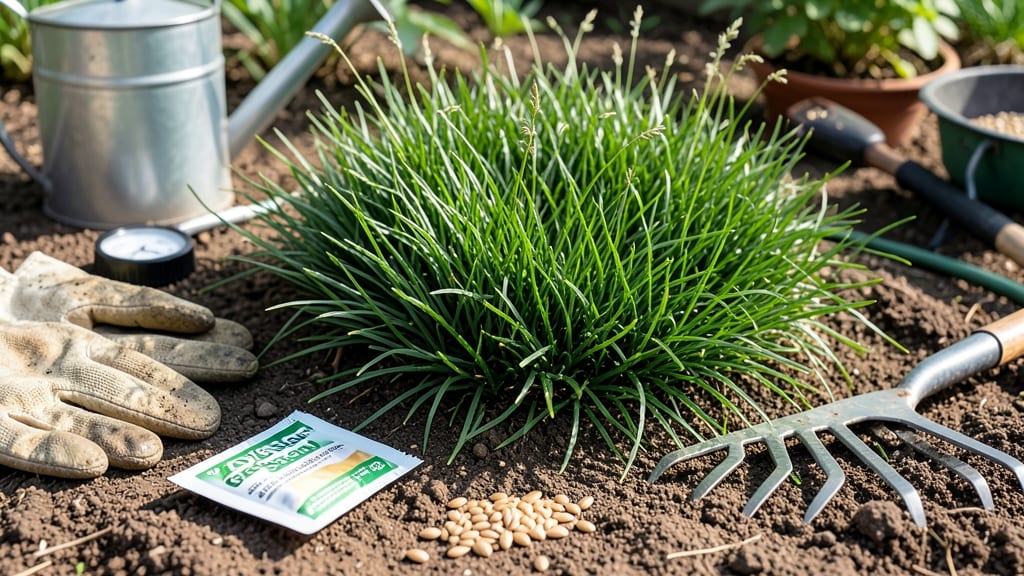
Planting Zoysia grass seed in Texas at the right time is the key to a lawn that survives the heat and droughts 🌱 — aim for late spring to early summer when soil temperatures hit 65°F+.
Here’s the catch: too early, and your seed sits in cold soil, rotting before it germinates. Too late, and Texas’ summer heat can dry it out before roots take hold. But nail the timing, and you’ll establish a thick, drought-resistant lawn that stays green when other grasses struggle.
In this guide, I’ll break down the best months for your region—whether you’re in North Texas (where last frosts linger into March) or South Texas (where the ground heats up by February).
You’ll also learn how to prep your soil, avoid common mistakes, and keep your new Zoysia thriving through the brutal summers.
Ready to skip the guesswork? Let’s dive into the exact schedule, soil temps, and watering tricks that make all the difference in Texas’ climate.
Best planting windows for Zoysia grass seed in Texas regions
Texas gardeners know timing is everything when planting Zoysia grass seed. This heat-loving grass thrives in USDA zones 8a-10b, but its germination success hinges on soil temperatures and regional climate variations.
Plant too early, and cool soil will stall growth; too late, and summer heat may stress young seedlings. My experience shows late summer/early fall offers the perfect balance for most of Texas.
For North Texas (zones 8a-8b), where winters dip below freezing, spring planting becomes a viable alternative. Meanwhile, South Texas (zones 9a-10b) can extend the window into early fall.
Understanding these regional differences ensures your Zoysia grass seed gets the best possible start, leading to that lush, drought-resistant lawn you're dreaming of.
Here's the key rule: Wait until soil temperatures consistently reach 65°F (18°C) before planting. This threshold ensures rapid germination and strong root development. In Texas, this typically means mid-May to early June for most regions, but let's break it down by area for precision.
🌱
| Texas Region | Optimal Planting Window | Soil Temp Threshold | Key Considerations |
|---|---|---|---|
| North Texas (8a-8b) | Late May - Early June OR Late August - Mid-September |
65°F+ (18°C+) | Spring window works before summer heat peaks; fall planting avoids early frost risks |
| Central Texas (8b-9a) | Early May - Late June OR Early September - Early October |
65°F+ (18°C+) | Longer growing season allows two planting opportunities; avoid July-August heat spikes |
| South Texas (9b-10b) | April - June OR September - October |
65°F+ (18°C+) | Extended warm season permits earlier starts; fall planting avoids hurricane season disruptions |
| All Regions | Avoid planting during: - Summer heat waves (above 95°F) - Rainy season (May-June in most areas) |
N/A | Extreme heat stresses seedlings; excessive rain causes erosion and fungal risks |
In North Texas, where last frosts can linger until mid-February, I recommend prioritizing the late summer window (August-September). This gives seedlings time to establish strong roots before potential early frosts in November. The spring window (May-June) works well too, but requires diligent irrigation as summer heat arrives.
For Central Texas, the flexibility increases. You can plant as early as April in the southern parts of this region, but wait until May in the northern areas. The fall window extends later here too, sometimes until October, giving you more options to avoid peak summer stress.
My South Texas gardeners have the advantage of the longest growing season. You can start as early as March in the southernmost areas, but I still recommend waiting until April for consistent results.
The fall window here is particularly valuable, as it avoids hurricane season disruptions that can occur from June through November.
Regardless of region, I can't stress enough how critical soil temperature monitoring is. Use a soil thermometer to verify temperatures reach 65°F (18°C) before planting. In my experience, cooler soils lead to slow germination and weak seedlings that struggle to compete with weeds.
For North Texas gardeners, this often means waiting until after Mother's Day weekend.
One common mistake I see is planting Zoysia grass seed during Texas' rainy season (May-June). While the grass is drought-tolerant once established, young seedlings need consistent moisture without waterlogging.
If you must plant during this time, prepare your soil with improved drainage and be ready to adjust your irrigation schedule frequently.
For those considering spring planting, time it so seedlings have 6-8 weeks of growth before summer heat peaks. In Central Texas, this means planting by mid-May at the latest. The payoff? A fully established lawn that handles Texas summers with ease, requiring less water once mature.
💧
How to prepare your Texas lawn for Zoysia seed germination
Zoysia grass thrives in Texas heat, but its seeds need the perfect soil conditions to germinate. Skipping prep work means slower growth and weaker roots. Start by testing your soil pH—aim for 6.0-7.0—since acidic or alkaline soil can block nutrient uptake.
Use a soil test kit from your local garden center for accurate results.
Once you confirm the pH, clear the area of existing grass or weeds. Kill grass with a non-selective herbicide like glyphosate, then wait 7-10 days for it to break down.
This step is critical to prevent competition for water and nutrients. Rake the dead grass into the soil afterward to avoid a thatch layer.
🌱 Step-by-Step Soil Prep for Zoysia Seed
- Test Soil pH: Use a kit to check 6.0-7.0 range. Adjust with lime (if below 6.0) or sulfur (if above 7.0).
- Remove Existing Grass: Apply glyphosate, wait 7-10 days, then rake debris into soil.
- Till the Soil: Loosen 4-6 inches deep with a tiller to improve aeration and seed contact.
- Level the Ground: Fill low spots with topsoil and smooth with a rake for even seed distribution.
- Set Up Irrigation: Install a drip system or sprinklers for consistent moisture (1 inch weekly).
- Apply Starter Fertilizer: Use 10-10-10 NPK at 0.5 lbs per 100 sqft 2 weeks before planting.
After clearing the area, till the soil to a depth of 4-6 inches. This step breaks up compacted soil, allowing roots to penetrate easily. Aeration is key—Zoysia grass struggles in dense soil.
Use a rototiller for best results, then level the ground with a rake to eliminate low spots where water pools.
Next, set up an irrigation system to maintain consistent moisture. Zoysia seeds need 1 inch of water weekly during germination, but avoid overwatering—soggy soil invites fungal diseases. A drip irrigation system works best, delivering water directly to the roots without wetting the leaves.
Finally, apply a starter fertilizer like 10-10-10 NPK two weeks before planting. This gives your seeds a nutrient boost without burning tender roots. Follow package instructions for application rates—typically 0.5 lbs per 100 sqft. Fertilizing too soon can harm germination, so timing matters.
With these steps complete, your Texas lawn will be ready for Zoysia seeds to sprout quickly and establish strong roots. Consistency is key—stick to the moisture and fertilizer schedule, and you’ll see lush, heat-resistant grass in 4-6 weeks. 🌿