
Plants
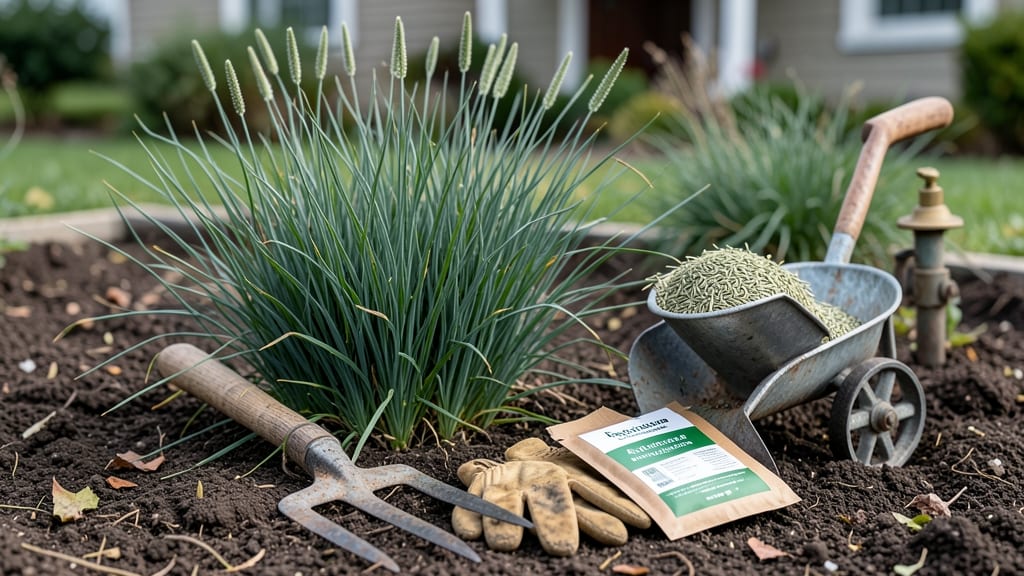
Planting fescue grass seed in Tennessee at the right time ensures strong root growth before winter or summer heat sets in—aim for early fall or spring when soil temps hover between 55°F and 75°F.
If you’ve ever spread seed only to watch it bake in summer or freeze before sprouting, you know timing is everything. Tennessee’s 6a-8a climate zones mean your elevation zone dictates whether you’re better off planting in September or March.
In lowland areas (300-1,000 ft), early fall planting gives roots time to establish before frost, while mountain regions (2,000+ ft) may stretch that window into late spring. Below, we break down the best months by zone and how to prep soil for maximum germination.
You’ll learn how to read your local frost dates, adjust for drought risks, and even salvage a late-season planting with the right techniques—so your 🌱 fescue thrives year after year.
Best planting windows for fescue grass in TN by elevation zone
Tennessee's diverse elevation zones create distinct microclimates that dramatically affect when you should plant fescue grass seed. In lowland areas (300-1,000 ft), warmer temperatures extend the growing season, while mountain regions (2,000+ ft) face earlier frosts.
Getting the timing right ensures strong germination and root establishment before winter dormancy. For piedmont regions (1,000-2,000 ft), the window narrows slightly due to moderate climate shifts.
Fescue thrives when soil temperatures stay between 55-65°F—ideal for seed activation without heat stress. In Tennessee, this means planting 4-6 weeks before the first frost (typically mid-November) for fall or after the last frost (usually late March) in spring.
Mountain areas may need adjustments of 2-3 weeks earlier due to cooler conditions. Always check your local USDA Zone (6a-8a) for precise timing.
Here's a clear breakdown of optimal planting windows by elevation, including soil temperature triggers and frost risk factors:
| Elevation Zone | Best Planting Window | Soil Temp Trigger | Frost Risk |
|---|---|---|---|
| Lowland (300-1,000 ft) | Late August - Early October | 55-65°F (13-18°C) | First frost: Mid-November |
| Piedmont (1,000-2,000 ft) | Mid-September - Late September | 50-60°F (10-16°C) | First frost: Early November |
| Mountain (2,000+ ft) | Early September - Mid-September | 45-55°F (7-13°C) | First frost: Late October |
| Spring Window (All Zones) | Late March - Early April | 55-65°F (13-18°C) | Last frost: Late March |
For lowland regions, the extended growing season allows planting as late as early October, but aim for late August to maximize root growth before winter. The 55-65°F soil temperature window ensures seeds germinate quickly without drying out.
In piedmont areas, shift planting to mid-September to avoid early frosts that can damage young seedlings. Mountain zones require the earliest planting—early September—to account for their cooler soils and shorter growing season.
Spring planting works across all elevations but carries higher risks. Plant after the last frost (typically late March) when soil temperatures consistently stay above 55°F. Mountain regions may need to wait until April due to lingering cold snaps.
Always test soil moisture—dry conditions can delay germination even with perfect timing. A simple soil thermometer ($10 at garden centers) removes guesswork from temperature checks.
Frost risk varies dramatically by elevation. Lowland areas often see their first frost in mid-November, giving fescue 6-8 weeks to establish roots. Piedmont regions face earlier frosts (early November), so planting by late September ensures seedlings have 4-6 weeks of growth.
Mountain zones (2,000+ ft) may experience frost as early as late October, making early September planting critical for survival.
Pro tip: Use mulch (straw or pine needles) after planting to insulate seeds and retain moisture. In mountain regions, a lightweight row cover can extend the growing season by 2-3 weeks if frosts arrive unexpectedly.
Always water deeply 2-3 times per week until germination (about 14-21 days) to prevent seed desiccation. Avoid overhead watering—drip irrigation keeps seeds moist without displacing them.
If you're in a transition zone (e.g., 1,500 ft elevation), err on the side of earlier planting. For example, plant in early September instead of mid-September to account for potential early frosts. Monitor local weather forecasts for 5-day temperature drops—this is your best indicator of impending frost.
Tennessee's Appalachian regions often see microclimates within 10 miles, so check neighbors' lawns for early signs of frost damage.
Remember: Fall planting is ideal for fescue because cool temperatures reduce weed competition and encourage deep root growth before winter. Spring planting is riskier due to summer heat stress, but it's your only option if you missed the fall window.
In this case, use a shade cloth during peak afternoon sun to protect young seedlings until they reach 3-4 inches tall.
For best results, prepare your soil 2-3 weeks before planting. Rake out debris, loosen compacted areas with a garden fork, and mix in compost for nutrient-rich soil. Fescue prefers slightly acidic soil (pH 6.0-7.0)—test your soil with a home test kit ($15) and amend with sulf
How to time fescue planting for maximum germination success
Timing your fescue grass seed planting in Tennessee isn't just about picking a month—it's about understanding how soil temperatures, air conditions, and rainfall patterns interact. Cool-season grasses like fescue need specific conditions to germinate properly, and Tennessee's variable climate makes this even more critical.
Plant too early, and frost can damage young seedlings; too late, and summer heat stresses them before roots establish.
Start by checking your local frost dates, which vary by elevation. In most of Tennessee, the last frost typically occurs around mid-March in lowland areas, while mountain regions may see frost until early April.
Conversely, the first frost arrives in mid-November in lowlands but can come as early as late October in higher elevations. These dates anchor your planting window.
⚠️ callout warning ⚠️
- Planting in summer heat: Seedlings struggle with soil temperatures above 80°F, leading to poor germination.
- Ignoring soil moisture: Dry soil prevents seed-to-soil contact, while soggy soil causes rot.
- Late fall planting: Seedlings may not establish roots before first frost, killing them.
Before planting, perform a simple soil moisture test by digging a small hole (3-4 inches deep) and checking dampness. Ideal conditions include moist but not waterlogged soil. If your area is experiencing drought, consider delaying until rainfall returns.
In Tennessee's unpredictable climate, September through early October often provides the best balance of warm soil, cool air, and moderate rainfall for germination.
Pay attention to air temperatures as well—fescue seeds germinate best when daytime highs are between 60-75°F and nighttime lows stay above 50°F. Use a soil thermometer to monitor temperatures at a 2-inch depth, as surface temps can be misleading.
If nights dip below 40°F, cover seedlings with a lightweight frost blanket to protect them until roots establish.
Rainfall is another critical factor. Tennessee's variable precipitation means you may need to supplement natural rain. After planting, maintain consistent moisture by watering lightly (about ¼ inch per day) until seedlings reach 2-3 inches tall.
Avoid overhead watering, which can spread disease. A drip irrigation system or soaker hose works best for even moisture distribution.
Finally, don’t overlook the role of seed dormancy. Some fescue varieties have natural dormancy periods that require scarification (lightly nicking seeds) or stratification (cold treatment) to break dormancy. Check your seed packet for specific recommendations.
If planting in late summer, consider using a pre-emergent herbicide-free starter fertilizer to give seedlings a growth boost before cooler weather sets in.
By aligning your planting with soil temps, air conditions, and rainfall patterns, you’ll give your fescue the best chance to germinate quickly and establish strong roots before Tennessee’s winter chill sets in. 🌱💧✂️