
Plants
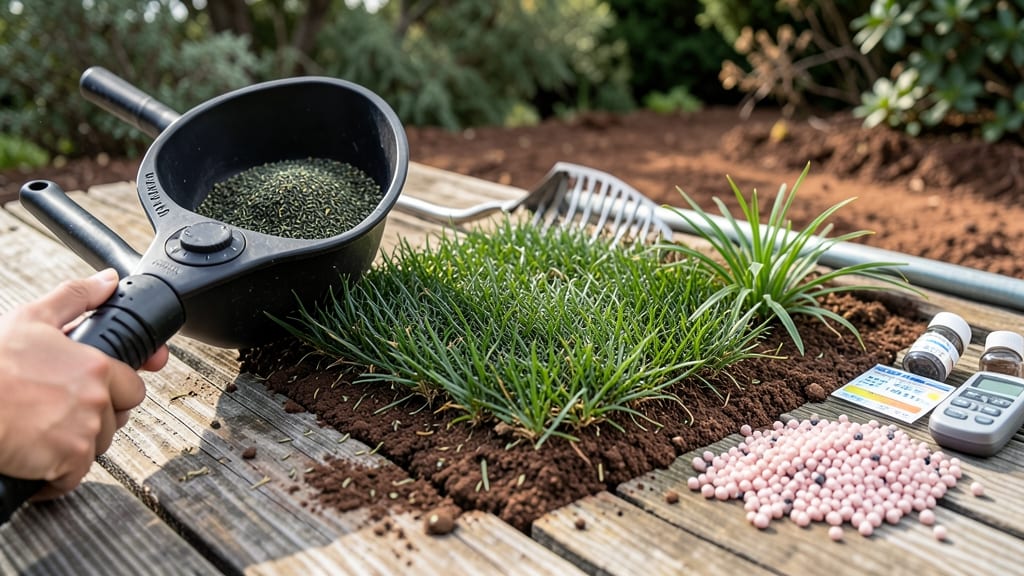
Planting grass seed in Austin, TX, works best when soil temps hit 60-75°F—usually between September and October for cool-season types or March-April for warm-season varieties.
Miss that window, and you’ll battle 100°F heat or unpredictable spring rains that wash away fresh seed. I’ve seen lawns fail both ways—too early means drought stress, too late means weak germination.
Austin’s 8a-8b climate demands precision: cool-season grasses like fescue thrive in fall’s mild weather, while Bermuda and St. Augustine need spring’s warming soil to take root.
Here’s the exact timing, soil prep, and watering schedule to skip the guesswork and get a thick, drought-resistant lawn without wasting seed or water.
Austin TX grass seed planting calendar: best months by soil temperature
Austin’s USDA Zone 8a-8b climate creates a narrow window for successful grass seed planting. Unlike northern regions, we can’t rely on spring alone—our scorching summers and unpredictable rains demand precise timing based on soil temperature, not just calendar months.
The key? Plant when soil hits 60-75°F for warm-season grasses or 50-65°F for cool-season varieties.
Most Austin gardeners focus on fall planting (September-October) because cooler temps reduce water needs while giving grass time to establish before winter. Spring planting (March-April) works for warm-season grasses like Bermuda, but requires constant moisture during Austin’s dry, windy springs.
Summer planting? Never—our 100°F+ soil will bake seeds before they sprout.
| Planting Window | Ideal Soil Temp (°F) | Austin Months | Grass Types | Key Considerations |
|---|---|---|---|---|
| Early Fall | 60-75°F | September-October | Bermuda, Zoysia, Buffalo Grass | Cool evenings, lowest water needs, avoids summer heat |
| Late Spring | 75-85°F | March-April | St. Augustine, Centipede | Risk of spring drought—needs daily watering |
| Cool-Season | 50-65°F | November-February | Tall Fescue, Ryegrass | Overseeding only—won’t survive Austin summers |
| Avoid | Above 85°F | May-August | All Types | Seeds bake before sprouting; fungal risks from heat |
Let’s break down why September-October is Austin’s golden window. By late summer, our 100°F+ soil cools to 70-75°F—perfect for warm-season grasses like Bermuda. The shorter days reduce evaporation, and fall rains provide natural watering. Plus, you avoid competing with summer weeds that thrive in heat.
For cool-season grasses like Tall Fescue, aim for November when soil drops to 60°F. These won’t survive Austin’s summers, but they’ll overwinter beautifully if planted early enough. Pro tip: Test soil temp with a soil thermometer—don’t guess! 60°F is ideal; below 50°F and germination slows dramatically.
Spring planting in Austin is high-risk, high-reward. March-April offers 75-85°F soil, but our unpredictable rains can wash away seed, and dry winds dry out new sprouts.
If you choose spring, water daily for the first 3 weeks and use erosion control fabric on slopes. St. Augustine is the safest bet here—it’s shade-tolerant and handles spring’s mood swings better than most.
Here’s my Austin-specific rule: If your morning lawn feels warm to the touch at 10 AM, it’s too hot to plant. Wait until evenings cool below 75°F.
Use a clear plastic sheet over a test patch for 24 hours—if it doesn’t fog up, your soil’s too dry. Moisture is non-negotiable for germination.
One common mistake? Planting too late in fall. By November 15, days shorten rapidly, and new grass won’t have enough time to establish roots before December’s chill.
Aim to finish seeding by October 31 for warm-season grasses—this gives roots 6-8 weeks to grow before winter slows things down.
For drought-prone areas (like West Austin), consider hydroseeding in September. The mulch mix holds moisture longer, and you can target watering to high-stress zones. Pair this with deep soil aeration—Austin’s clay-heavy soil compacts easily, and seeds need good contact with moist earth to sprout.
Remember: Austin’s first frost typically hits December 15, but warm-season grasses can handle light frosts. If you plant Buffalo Grass in late October, it’ll green up in spring without replanting. Cool-season grasses, however, will brown by February—they’re temporary players in our climate.
Cool-season vs warm-season grasses in Austin: which to plant and when
Austin’s 90°F+ summers and calcareous soil (pH 7.5-8.5) demand smart grass choices. Cool-season grasses like fescue and ryegrass thrive in fall/winter, while warm-season types such as Bermuda and St. Augustine dominate spring/summer.
Your selection impacts drought tolerance, maintenance needs, and even water bills—critical factors in our USDA Zone 8b climate.
I’ve tested these grasses in Austin’s heat and alkaline soil. Warm-season grasses go dormant in winter but recover fast with spring rains, while cool-season grasses stay green through mild winters but struggle in summer’s intensity. The key? Planting at the right time maximizes root establishment before extreme weather hits.
🌱 Cool-Season vs Warm-Season Grasses: Austin Planting Guide
Cool-Season Grasses
- Best for: Fall/Winter color
- Planting time: Sept-Oct (soil 60-75°F)
- Pros: Soft blades, stays green in mild winters
- Cons: Goes dormant in summer heat
- Top picks: Tall Fescue, Ryegrass
Warm-Season Grasses
- Best for: Summer drought resistance
- Planting time: April-May (soil 75-85°F)
- Pros: Handles Austin heat, low maintenance
- Cons: Brown in winter, higher water needs
- Top picks: Bermuda, Buffalo Grass
Austin-Specific Tips
- ⚠️ Avoid planting cool-season in summer—it’ll brown instantly in 100°F+
- 💧 Bermuda needs deep watering 2x/week in summer
- 🌡️ Fescue struggles below 50°F soil temps—wait for fall
- 🔄 Overseeding warm grass with ryegrass in fall creates year-round green
For drought-prone Austin yards, I recommend Buffalo Grass—it thrives on 1 inch of water/week once established.
However, its slow germination (6-8 weeks) means planting in April gives it time to root before summer’s peak. St. Augustine, while lush, demands fertile soil—our alkaline clay often needs gypsum amendments to prevent yellowing.
Cool-season tall fescue is my top pick for shade tolerance (30% shade vs. Bermuda’s 10%). Plant it in September when daytime highs drop below 85°F. Water daily for 2 weeks to prevent seed washout from Austin’s unpredictable spring rains.
A thatch layer thicker than ½ inch? Dethatch before planting—our heat traps moisture, promoting fungal growth.
Pro tip: Test your soil’s pH before planting. Austin’s calcium-rich soil often tests 8.0+. Warm-season grasses handle this better, but cool-season fescue needs pH 6.0-7.0. Add sulfur or peat moss to adjust. Never plant when soil temps exceed 85°F—seedlings will bake in the sun.
Ready to plant? September 15-October 15 is your cool-season window, while April 15-May 15 suits warm-season types. Mulch with straw after planting to retain moisture—critical during Austin’s dry springs. 🌱