
Plants
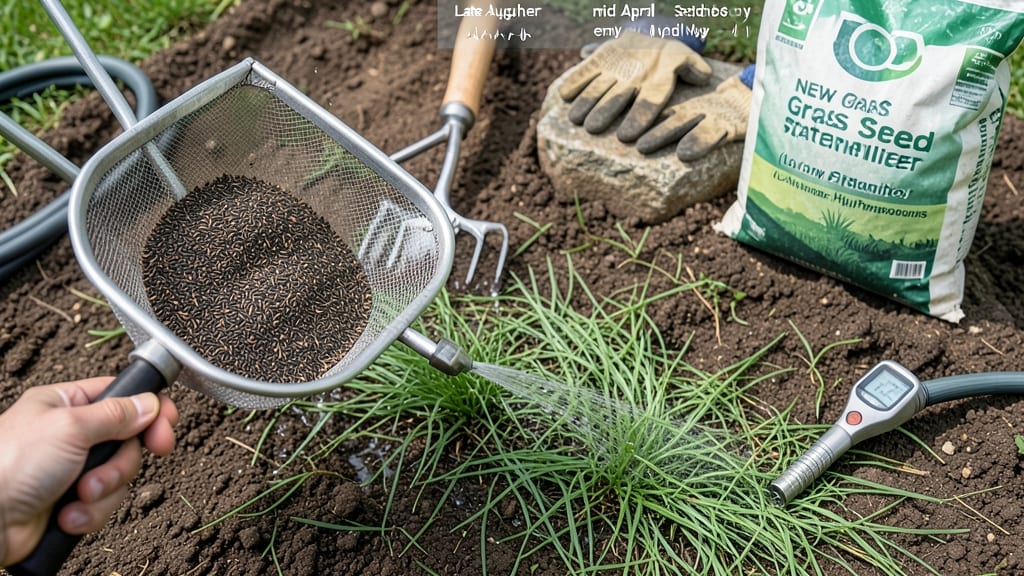
The best time to plant grass seed in Wisconsin is between early spring and early fall, when soil temperatures stay above 50°F and frost risks fade.
Wisconsin’s unpredictable weather can make or break your lawn—planting grass seed at the wrong time means wasted money and patchy growth. Timing isn’t just about months; it’s about soil temperature, frost dates, and your specific hardiness zone.
For most of the state (USDA zones 4a-5b), the ideal window opens in late April after the last frost and closes in early September before the first fall freeze. But your local microclimate might push those dates earlier or later.
Below, I’ll break down the exact frost-free windows by zone, how to test soil temperature, and the best grass seed varieties for Wisconsin’s short growing season—so you can finally get that lush, even lawn you’ve been dreaming of.
Wisconsin grass seed planting timeline by hardiness Zone (soil temp & frost dates)
Wisconsin’s hardiness zones 3-5 create unique challenges for lawn care. Cool-season grasses like Kentucky bluegrass and tall fescue thrive when soil temperatures stay above 50°F consistently. Planting too early risks frost damage, while waiting too late means weaker root establishment before winter.
I’ll break down the optimal windows for each zone, including frost-free date calculations and soil temperature thresholds.
Most Wisconsin gardeners focus on early spring (March-April) and fall (September-October) planting. However, your exact timing depends on whether you’re in Zone 3 (northern WI) or Zone 5 (southern WI). For example, Door County (Zone 5) can plant 2 weeks earlier than Iron County (Zone 3).
The key is tracking soil temperature—not just air temperature—since seeds need consistent warmth to germinate.
Here’s the summary table showing Wisconsin’s planting windows by zone, including soil temperature thresholds and frost-free dates:
For Zone 3 gardeners, the spring window is tight—waiting until soil hits 50°F for 7+ days ensures seeds germinate before late frosts. In my experience, northern WI’s April showers can delay planting, so I recommend using a soil thermometer ($10 at garden centers) to track progress.
Fall planting in Zone 3 must finish by mid-September to allow 4-6 weeks of root growth before frost.
Zone 4 and 5 offer more flexibility. Southern WI’s Zone 5 can start as early as March if soil warms quickly, but I’ve seen seeds rot if planted too soon. A good rule of thumb: wait until daytime highs reach 60°F consistently before seeding.
For fall, Zone 5’s extended window lets you plant until early November, giving grass time to establish before winter’s chill.
Microclimates matter too. Even within a zone, south-facing slopes warm faster than north-facing yards. I’ve planted tall fescue on a south-facing hill in Zone 4 by mid-March, while my neighbor’s north-facing lawn needed to wait until late April.
Use these soil temperature guidelines as a starting point, then adjust based on your yard’s specific conditions.
Pro tip: Extend your planting window by using mulch or frost blankets after seeding. A light layer of straw (1/4 inch) protects young seedlings from late spring frosts or early fall chills
I’ve successfully planted fine fescue in Zone 3 as late as October 1st using this method—just cover the area if frost is forecasted within 10 days. Remember, cool-season grasses like Kentucky bluegrass need 60-70 days to establish before winter. If you plant too late, roots won’t develop deeply enough to survive Wisconsin’s harsh winters. For example, a Zone 4 lawn seeded in late October might only get 30 days of growth before frost—leading to weak, patchy grass the next spring. To check your local frost dates, use the Wisconsin State Climatology Office or the USDA Plant Hardiness Zone Map. For soil temperature, insert a soil thermometer 2-3 inches deep and monitor for 3 consecutive days above 50°F. This simple step saves countless hours of frustration from failed germination or uneven growth. Start planning now! Mark your calendar for 4-6 weeks before your zone’s first
How to check soil temperature & prepare for Wisconsin grass seed planting
Before planting grass seed in Wisconsin, knowing your soil temperature is critical. Cool-season grasses like Kentucky bluegrass and fine fescue thrive when soil reaches 50°F (10°C) or warmer. In Wisconsin’s USDA zones 4a-5b, this often means waiting until mid-April to early May for spring planting.
Fall planting is another great window, aiming for 6-8 weeks before the first frost (typically mid-September to early October). The key is consistency—grass seeds need stable temperatures to germinate properly. Using a soil thermometer or even a DIY candy thermometer can save you from guessing.
⚠️ callout warning
⚠️ Warning: Late Frosts Can Ruin Your Lawn
Wisconsin’s late spring frosts (common until May 15) can kill young grass seedlings. Check your local frost dates from the Wisconsin State Climatology Office and wait until soil stays above 55°F (13°C) for 5 consecutive days.
For fall planting, ensure at least 6 weeks remain frost-free to allow roots to establish before winter dormancy.
To test soil temperature, insert a thermometer 2-3 inches deep (the depth where seeds will germinate). Check readings at midday for accuracy. If your soil is still below 50°F (10°C), cover the area with black plastic mulch for 1-2 weeks to warm it faster.
This trick works especially well in northern Wisconsin where soils warm slower.
Prepping your seedbed is just as important. Start by removing debris and weeds, then loosen the soil to a 4-inch depth with a rake or tiller.
Level the surface to prevent water pooling, which can drown seeds. A light layer of compost (¼ inch) adds nutrients without smothering the seeds.
For microclimate adjustments, note that southern Wisconsin (e.g., Milwaukee) warms faster than northern regions (e.g., Green Bay). If you’re in a cooler pocket, opt for tall fescue blends, which tolerate cooler soils better than Kentucky bluegrass.
Always test multiple spots in your yard—shady areas may stay 5°F cooler than sunny patches.
Once your soil hits the ideal temperature, plant seeds ¼ inch deep and water gently to keep soil moist (not soggy). Use a light straw mulch to retain moisture and protect seeds from wind or bird damage.
With the right timing and prep, your Wisconsin lawn will establish strong roots and outlast the state’s unpredictable weather.