
Planting
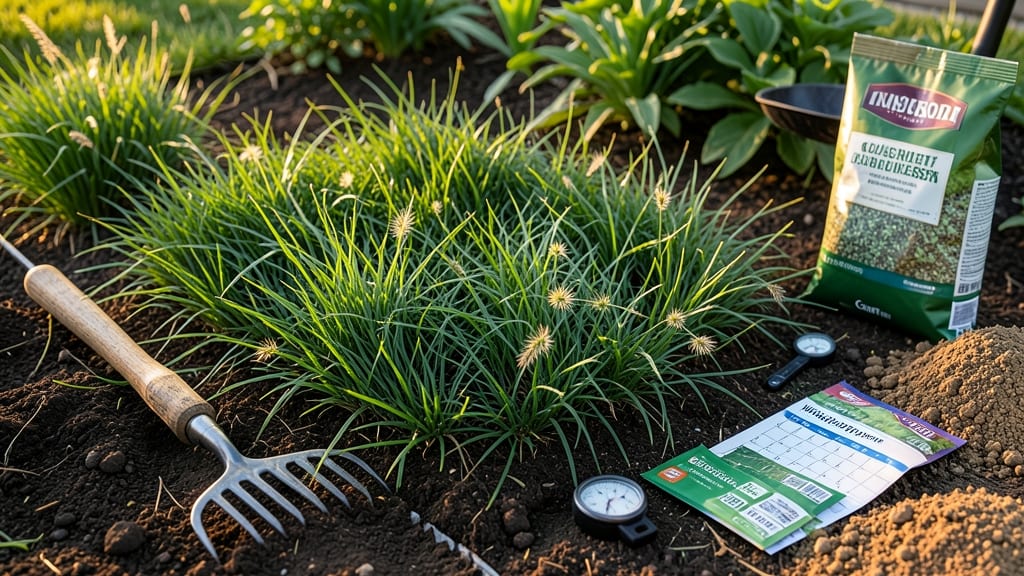
You can plant grass seed in Wisconsin once soil temperatures hit 50°F consistently—typically mid-April in the north and early April in the south.
Wisconsin’s unpredictable spring and fall weather can make timing your grass seed planting tricky—but getting it right means the difference between a lush lawn and patchy frustration.
In USDA Zones 4a-5b, early spring planting (March-April) gives grass a head start before summer heat arrives, while fall planting (September) lets roots establish before winter dormancy.
Below, I’ll break down the best planting windows by region, soil prep tips, and how to choose the right grass seed for fast establishment—no matter where you live in the state.
Best Wisconsin planting windows by USDA Zone (spring vs fall)
Wisconsin’s USDA Zones 4a-5b create dramatic differences in planting windows—northern areas like Duluth (Zone 4a) face earlier frosts, while southern Milwaukee (Zone 5b) enjoys extended seasons. The key to success?
Planting when soil hits 50-65°F consistently for 7-10 days, with early spring offering cooler germination and fall providing hardier establishment before winter.
Spring planting (March-May) risks late frosts that can kill tender seedlings, while fall (August-October) benefits from cooler temps and reduced weed competition. Southern Wisconsin can push fall planting until mid-October, but northern regions must finish by early September to avoid winter stress.
Let’s break down the perfect planting windows by zone to maximize your lawn’s potential.
🌱 PRO TIP: Use a soil thermometer—50°F is the magic number for germination. If temps dip below 40°F at night, cover seedlings with lightweight row fabric for protection.
Zone 4a gardeners should prioritize fall planting—seeds germinate faster in 60°F soil, and established grass handles winter better. In contrast, Zone 5b can push late fall planting until mid-November if soil stays above 40°F, but risk winter kill if frosts arrive early.
For spring planting, wait until after the last frost date (typically May 15 in northern WI, April 15 in the south). Use a soil thermometer—if temps drop below 50°F at night, delay or use row covers.
Southern Wisconsin can start as early as March for perennial ryegrass, which germinates faster in cooler soil.
Fall is often the best window for overseeding—cool temps reduce weed pressure, and grass grows 60% faster in 55-65°F soil than in summer heat. Aim to plant 4-6 weeks before first frost (usually late August to mid-September in most zones).
Northern WI should finish by September 1 to avoid winter desiccation.
🌿 ZONE-SPECIFIC TIPS:
- Zone 4a: Use fine fescue mixes—they tolerate cold soil better than Kentucky bluegrass.
- Zone 5b: Perennial ryegrass germinates in 48 hours at 60°F, ideal for late fall.
- All zones: Test soil pH (ideal: 6.0-7.0) and amend with lime if needed before planting.
Wisconsin’s microclimates add another layer—urban areas like Milwaukee can be 2-3°F warmer than rural zones, while shaded yards may need 2
How Wisconsin’s microclimates affect grass seed germination success
Wisconsin’s diverse geography creates microclimates that can shift your grass seed germination timeline by weeks—sometimes even months. Northern Wisconsin’s cooler, shorter growing seasons (USDA zones 3b-4a) demand earlier spring planting, while southern regions (zones 4b-5b) offer more flexibility.
Even within cities like Milwaukee or Madison, urban heat islands can make soil warm up faster than rural areas.
These variations mean a one-size-fits-all approach fails. For example, planting Kentucky bluegrass in Dodge County (zone 4b) in early May might work, but the same seed in Ashland (zone 3b) could rot before sprouting.
Shaded yards or wet areas add another layer—cool, damp soil stays too cold for germination even when neighbors’ lawns are thriving.
⚠️ WARNING: Common Mistakes That Kill Germination
⚠️ Planting Too Early
Soil temps below 50°F trigger seed rot. In northern WI, wait until late April to early May—even if your neighbor starts in March. Use a soil thermometer to confirm consistent warmth at 2" depth.
⚠️ Ignoring Urban Heat Islands
City sidewalks and buildings can raise soil temps by 5-10°F. If your yard is paved on three sides, plant 2 weeks earlier than rural guidelines. Monitor for dry soil cracks—a sign it’s too hot for new seed.
⚠️ Skipping Pre-Planting Prep
Even with perfect timing, compacted soil or thatch buildup blocks roots. Northern WI yards often need extra aeration to break up frozen layers. Southern WI’s clay soils may require gypsum to improve drainage before seeding.
Adjust your planting dates based on these key factors:
- Northern WI (zones 3b-4a): Aim for late April–May when soil hits 50°F. Fall planting ends by mid-September to allow root establishment before frost.
- Southern WI (zones 4b-5b): Start as early as mid-April or stretch into early October. Urban areas can push dates 1-2 weeks earlier.
- Shaded yards: Delay by 10–14 days—cool, moist shade slows germination. Choose fine fescue blends, which tolerate lower light.
- Wet areas: Plant when soil is moist but not soggy. Avoid fall planting if your yard stays waterlogged past October.
High-traffic zones need extra attention. If kids or pets will trample new grass, delay planting until after Memorial Day—earlier seedings won’t survive foot traffic. Use straw mulch to protect seedlings while they establish roots.
Before you plant, run this 3-step prep checklist:
- Test soil pH (ideal: 6.0–7.0). Northern WI soils often need lime; southern WI may need sulfur.
- Aerate compacted areas, especially if your lawn has thatch >0.5". Rent a core aerator for $60/day.
- Water deeply 24 hours before planting to signal seeds it’s time to sprout. Aim for 1" of moisture at 4" depth.
Pro tip: Mark your calendar for Wisconsin’s average last frost dates—northern WI’s May 15 vs. southern WI’s May 1. Planting 4–6 weeks before ensures seeds germinate before summer heat stress. For fall, shoot for 60 days before first frost (usually mid-September in the north, late September in the south).