
Lawn
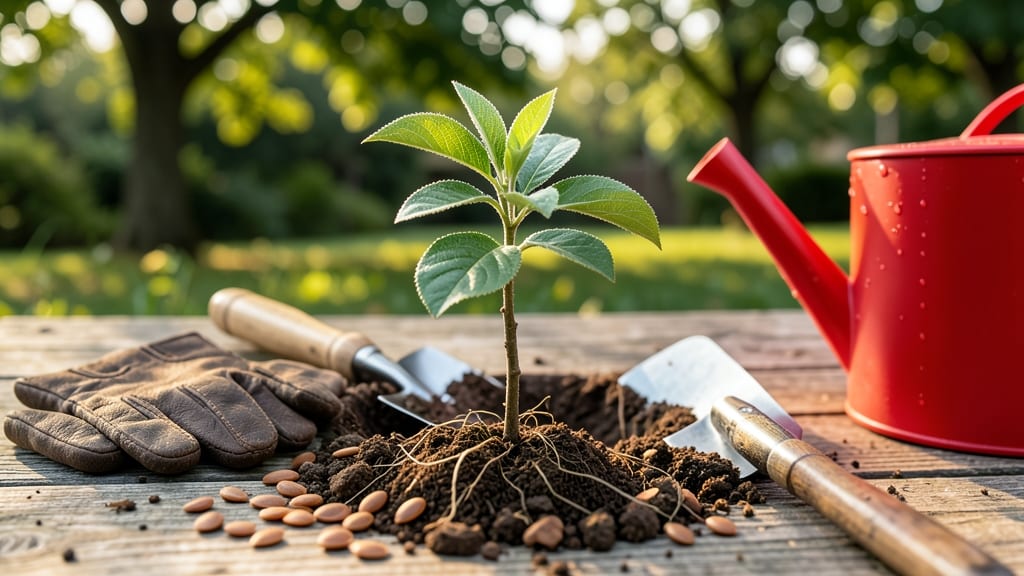
Planting peach tree seeds in fall gives them the cold treatment they need to break dormancy—just like their wild ancestors. 🌱 I’ve learned that patience is key: these seeds can take 6-12 months to sprout, but the wait pays off with hardy trees that outlast nursery-bought saplings.
The secret lies in mimicking nature’s timing and soil conditions, which vary by zone.
Start by collecting fresh seeds from ripe peaches (never store-bought) and cleaning off the flesh. For best results, plant them in a mix of 50% sand and 50% potting soil—this drainage prevents rot while keeping roots moist.
In colder zones (4-6), sow seeds in fall; in warmer zones (7-9), stratify them in the fridge for 8-12 weeks before spring planting.
Once planted, keep the soil consistently damp (not soggy) and place containers in a cool, dark spot until germination. When sprouts appear, move them to bright, indirect light and watch those first true leaves unfurl—a sign the tree’s future strength is already forming.
Expect surprises: seed-grown peaches may not match the parent tree’s flavor or size, but the adventure of nurturing a tree from a pit makes every challenge worthwhile. With the right timing, you’ll have a thriving young tree ready for transplanting in 2-3 years.
📚 In This Guide
- What you need
- Instructions
- Tips and common mistakes
- Wrapping up and next steps
What you need
- ● Peach pit/seeds: 1–3 fresh, plump pits (avoid cracked or shriveled ones). Harvest from ripe, organic peaches for best results.
- ● Growing container: Small pot (4–6 inches deep) for initial germination, or
- ● Seedling tray with drainage holes (for multiple seeds).
- ● Potting mix: 1 bag of high-quality, well-draining seed-starting mix (sterilized and peat-free if possible).
- ● Plastic wrap or humidity dome: To retain moisture during germination.
- ● Spray bottle: For gentle watering (avoid over-saturating the soil).
- ● Scissors or knife: For carefully slicing the pit (if stratifying).
- ○ Refrigerator (optional but recommended): For cold stratification (if planting in fall/winter).
- ● Grow lights or sunny windowsill: A south-facing window or LED grow light (12–16 hours/day) for seedlings.
- ● Fungicide: A natural option like cinnamon powder or hydrogen peroxide (3%) to prevent mold.
- ● Heat mat: Keeps soil warm (70–80°F) to speed up germination.
- ● pH tester: Ensures soil pH is between 6.0–7.0 (ideal for peach trees).
- ● Label markers: To track seed varieties and planting dates.
- ● Transplanting pot (1-gallon size): For moving seedlings outdoors after germination.
Step-by-step guide to planting peach tree seeds for zone-specific success
Here's how to start peach tree seeds with the right timing and conditions for robust root development.
🌱 Step 1: Select and Prepare Seeds for Optimal Germination
Peach pits contain hard seed coats that slow germination. To break dormancy, place seeds in a sealed bag with moist sand or paper towels. Store them in the refrigerator for 60-90 days—this mimics winter chilling, a critical step for zone adaptation. After cold treatment, remove the pits and let them dry slightly before planting.
I always test a few seeds first by soaking them in warm water for 24 hours to check for mold or rot. Healthy seeds will sink and feel firm to the touch. Discard any that float or smell sour—these won't sprout. This pre-treatment ensures only viable seeds proceed to planting.
💧 Step 2: Plant Seeds in Well-Draining Soil at the Right Depth
Fill a 4-inch deep container with a mix of 50% sterile potting soil and 50% perlite to prevent root rot. Plant seeds 1 inch deep, spacing them 2 inches apart in the container. Peach seeds need warmth to germinate—place the container in a location with 70-80°F soil temperature. A seedling heat mat works wonders if your climate runs cooler.
Water gently until the soil feels evenly moist but not soggy—think of a wrung-out sponge. Overwatering now leads to damping-off, a fungal disease that kills seedlings before they sprout. Cover the container loosely with plastic wrap to retain humidity, but remove it daily for 10 minutes to prevent mold buildup.
☀️ Step 3: Provide Consistent Light and Monitor for Sprouting
Peach seeds need bright, indirect light during germination—direct sun can overheat the soil. A south-facing window or grow light on a 14-hour cycle works best. You'll see the first signs of germination in 30-60 days, depending on your zone. In colder zones (5-7), expect slower germination; warmer zones (8-10) may see sprouts in as little as 20 days.
Once sprouts appear, remove the plastic wrap completely and increase light exposure gradually. Seedlings will develop cotyledons (first true leaves) within 7-10 days of sprouting. At this stage, thin to the strongest seedling per container—crowded roots will stunt growth. Watch for leggy stems, which signal insufficient light, and adjust the grow light height to 4-6 inches above the seedlings.
🪴 Step 4: Transplant Seedlings Based on Zone Timing
Peach trees are frost-sensitive, so transplant timing varies by zone. In zones 5-7, wait until after the last frost date and after soil warms to 60°F—usually late May to early June. Warmer zones (8-10) can transplant as early as March to April. Choose a sunny spot with at least 8 hours of direct light and well-draining soil.
Dig a hole twice as wide as the root ball but no deeper. Gently loosen the roots if they're circling in the container, then place the seedling in the hole and backfill with soil. Water deeply to settle the roots, then add a 2-inch layer of mulch to retain moisture. Avoid heavy mulch piles against the trunk—this can cause rot. In colder zones, consider a tree wrap for winter protection.
⏰ Step 5: Maintain Moisture and Fertility for Early Growth
Young peach trees need consistent moisture—water once a week if rainfall is light, or twice a week during dry spells. Check soil moisture by sticking your finger 1 inch deep; if it's dry, water until it's moist but not waterlogged. Overwatering now leads to weak roots and disease. In zones 8-10, reduce watering slightly in winter to encourage dormancy.
Apply a balanced 10-10-10 fertilizer at half strength when new leaves appear—this supports root and shoot growth without burning tender seedlings. Avoid high-nitrogen fertilizers early on; they promote leafy growth at the expense of root development. Prune only to remove dead or crossing branches in the first year. The goal is to build a strong structure for future fruiting.
Tips & tricks for perfect peach tree seed germination
These simple yet powerful strategies will help you maximize your peach tree seed success rate and avoid common pitfalls that derail germination.
Cold Treatment Consistency: The 60-90 days of refrigerator storage is non-negotiable for zone adaptation, but I've found that removing seeds from the fridge too early can trigger premature sprouting. Place a small thermometer inside the bag to monitor temperatures—ideal range is 35-40°F. If your fridge runs warmer, transfer seeds to a cooler drawer or add ice packs. After cold treatment, let seeds dry slightly at room temperature for 12-24 hours before planting to prevent fungal growth.
Soil Temperature Management: While the instructions specify 70-80°F soil temperature, achieving this can be tricky without specialized equipment. For cooler climates, I use a seedling heat mat set to medium heat (around 85°F) combined with the 50% perlite mix to improve drainage and heat retention. Monitor soil temperature with an infrared thermometer—peach seeds won't germinate below 65°F, even with perfect moisture conditions.
Light Transition Strategy: The instructions mention bright, indirect light during germination, but the transition to full light after sprouting is where many growers struggle. I recommend this phased approach: Start with 6 hours of indirect light daily during germination, then gradually increase by 2 hours every 3 days once sprouts appear. This mimics natural sunlight progression and prevents shock. Use a grow light on a timer for consistency—peach seedlings are particularly sensitive to light fluctuations during their first 30 days of growth.
Mold Prevention Protocol: The daily 10-minute plastic wrap removal is crucial, but I've learned that humidity levels above 70% create ideal conditions for mold even with ventilation. Place a small dehumidifier pack inside the container or use a fan on low setting near the container for 10 minutes daily to create gentle airflow. This prevents damping-off while maintaining necessary humidity. Watch for fuzzy white growth on soil—this is your first sign of mold, and you'll need to remove affected seeds immediately.
Pro Tips for Peach Tree Seed Planting
- These simple yet powerful strategies will help you maximize your peach tree seed success rate and avoid common pitfalls that derail germination.
- Cold Treatment Consistency: The 60-90 days of refrigerator storage is non-negotiable for zone adaptation, but I've found that removing seeds from the fridge too early can trigger premature sprouting.
- Soil Temperature Management: While the instructions specify 70-80°F soil temperature, achieving this can be tricky without specialized equipment.
Frequently asked questions
Got questions about growing peach trees from seed?
You’re not alone! Here are answers to the most common concerns—from timing to troubleshooting—so you can plant with confidence.
When is the best time to plant peach tree seeds?
Plant peach seeds in early spring (after the last frost) or late fall (6–8 weeks before your zone’s first frost). Seeds need stratification (cold treatment) to germinate—either sow them outdoors in fall or refrigerate them for 3–4 months before spring planting. Warm climates (Zones 8–10) can try spring planting, but expect slower germination.
How long does it take for peach seeds to germinate?
Germination can take 30–90 days, depending on conditions. Keep soil consistently moist (not soggy) and in 60–75°F (15–24°C) temperatures. Patience is key—some seeds may take up to 6 months! If nothing sprouts after 3 months, the seed may not be viable. Try a fresh batch or check for proper stratification.
Can I grow a peach tree from seed in my hardiness zone?
Peach trees thrive in USDA Zones 5–9, but success depends on your zone’s chill hours (peaches need 300–1,000 hours below 45°F/7°C). Zones 10+ may struggle—opt for cold-hardy varieties like ‘Elberta’ or ‘Redhaven’ if possible. For colder zones (e.g., Zone 4), start seeds indoors and transplant seedlings after frost risk passes.
Will my homegrown peach tree produce fruit?
Probably not—but it’s possible! Peach trees grown from seed are unpredictable; they may take 5–10 years to bear fruit (if ever) and likely won’t match store-bought varieties. For reliable fruit, grafted trees are the way to go. If you’re experimenting, save seeds from a favorite peach and cross your fingers!
Why aren’t my peach seeds sprouting?
Common culprits: improper stratification (seeds need cold), dry soil, or old/low-quality seeds. Try soaking seeds in water for 24 hours before planting, or scarify them (lightly sand the shell) to help water penetrate. If mold appears, repot with fresh, sterile soil. For stubborn seeds, check if they’re actually peach pits—some “peach” seeds sold online are hybrids and may not germinate.
Can I plant peach seeds directly in the ground?
Yes! For fall planting, bury seeds 1–2 inches deep in well-draining soil, mulch lightly, and let winter handle stratification. For spring planting, pre-chill seeds (or plant in a cold frame) to mimic natural conditions. Direct sowing skips the indoor stage but requires more patience—seedlings may emerge erratically. Thin to 10–15 feet apart once established.
Wrapping up and next steps
Planting peach tree seeds is a rewarding journey that blends patience with the joy of nurturing life.
By following zone-specific timing and ensuring strong root growth, you’ll set the stage for a thriving tree—one that may even bear fruit someday! 🌱 Whether you’re a beginner or a seasoned gardener, every small step counts, and your efforts will soon blossom into something beautiful.
Ready to take the next step? Start with just one seed—grab your supplies, mark your calendar for the right planting window, and watch your green thumb grow! 🌟