
Plants
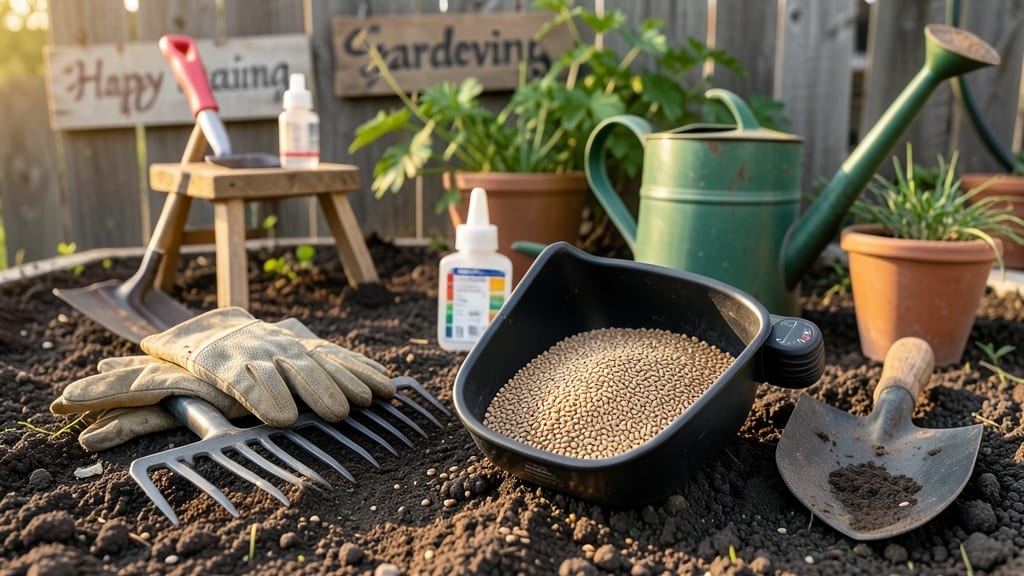
The best time to plant grass seed in Texas is early fall, when soil temperatures drop into the 60-75°F range and summer heat fades away 🌱.
Texas homeowners know that a lush, green lawn requires more than just water—timing is everything. Planting grass seed at the wrong time can leave you battling heat stress, drought, or weak growth, but mastering the perfect window ensures deep roots, rapid establishment, and a lawn that thrives through Texas winters.
Early fall planting—typically between September and October—gives grass seedlings the ideal conditions: cooler air, consistent rainfall, and fewer pests. This is when most Texas grasses, from Bermuda to St. Augustine, establish their strongest root systems before winter dormancy.
In this guide, I’ll break down the exact planting windows for your region, soil prep secrets, and how to outsmart Texas heat stress—so you can skip the guesswork and grow a lawn that stays green year-round.
Optimal Texas grass seed planting windows: early fall vs. spring breakdown
Choosing the right time to plant grass seed in Texas isn't just about avoiding summer heat—it's about leveraging soil temperatures and rainfall patterns that give your lawn the best shot at deep root growth.
Early fall (September–October) consistently outperforms spring for cool-season grasses like Tall Fescue, while warm-season varieties like Bermuda and Zoysia thrive when planted in late spring. The difference? Moisture retention and temperature stability in fall create ideal conditions for germination and establishment.
Texas' climate zones—from the cool North (USDA 7b-8a) to the hot South (USDA 8b-10a)—dictate when to plant. In North Texas, early fall (late August to October) offers 60–75°F soil temps, perfect for cool-season grasses.
Meanwhile, South Texas can extend planting into November due to milder winters. Spring planting (February–April) works for warm-season grasses but risks drought stress as temperatures rise.
Soil temperature is the #1 factor—cool-season grasses need 60–75°F for germination, while warm-season types prefer 75–85°F. Fall planting in Texas aligns with natural rainfall increases, reducing irrigation needs. Spring planting, however, often coincides with drought conditions and extreme heat, forcing seedlings to compete for water and shade.
Here’s how Texas’ climate zones break down for optimal planting:
For cool-season grasses like Tall Fescue, early fall planting in September–October ensures roots establish before winter dormancy. These grasses thrive in Texas’ cooler months and benefit from fall’s natural moisture, reducing irrigation needs.
In contrast, warm-season grasses like Bermuda and Zoysia should be planted in late spring (April–May) when soil temps consistently stay above 75°F.
Spring planting in Texas is riskier due to unpredictable rainfall and rapid temperature swings. Seedlings planted in March or April may struggle to germinate if a heatwave hits, while late spring plantings (May) often face drought stress as summer approaches.
My pro tip: If you must plant in spring, focus on shade-tolerant varieties and use mulch to retain moisture.
Texas’ North vs. South divide also plays a role. In North Texas (Dallas, Fort Worth), early fall planting (late August) gives cool-season grasses a 6–8 week head start before winter. Meanwhile, South Texas (Houston, San Antonio) can extend planting into November thanks to milder winters.
Always check your local frost dates—North Texas averages its first frost in December, while South Texas sees frost as late as January.
One common mistake? Planting warm-season grasses in fall. While they won’t die, they’ll go dormant until spring, leaving your lawn brown and vulnerable to weeds. Instead, time Bermuda or Zoysia plantings for late spring when soil temps are ideal.
For St. Augustine, which is sensitive to cold, stick to spring or early summer plantings in South Texas.
To maximize success, pair your planting window with proper soil prep. Test your soil
5 Critical factors to check before planting grass seed in Texas
Before scattering grass seed across your Texas lawn, I always check these five critical factors to ensure success. Texas' extreme heat and variable rainfall make preparation non-negotiable.
Skipping even one step can lead to weak germination or wasted seed. Let's dive into what I verify first to give your lawn the best possible start.
First, I test the soil pH because Texas soils often lean alkaline. Grass thrives in a 6.0–7.0 pH range. If your soil tests higher, I add elemental sulfur to adjust it.
This simple test saves me from struggling with yellowing grass later. Don't guess—use a soil kit or send a sample to your local extension office for precise results.
Next, I focus on moisture levels because Texas summers can dry out soil quickly. I water deeply for 3–5 days before planting to ensure the top 3–4 inches of soil stay consistently moist.
This mimics natural rainfall and helps seeds germinate faster. Pro tip: Use a moisture meter to check—aim for 40–60% soil moisture at planting time.
Weed suppression is another non-negotiable step for me. I apply a pre-emergent herbicide 2–3 weeks before planting to block weeds. Alternatively, I smother the area with cardboard or landscape fabric for 4–6 weeks. Weeds compete aggressively with young grass, and I refuse to let them win.
Sun exposure is often overlooked, but I always verify this. Most Texas grasses need 6+ hours of full sun daily. Shady spots may require shade-tolerant varieties like Zoysia or St. Augustine. Use a sunlight tracker for a week to map your lawn's exposure before planting.
Finally, I scout for Texas-specific pests like chinch bugs and grubs. These pests thrive in Texas heat and can devour new grass seedlings. I apply neem oil or insecticidal soap as a preventive measure. For severe infestations, I use grub-specific treatments like imidacloprid granules.
🌱 Your Texas Grass Planting Checklist
- 1. Soil pH Test: Aim for 6.0–7.0. Adjust with sulfur if needed.
- 2. Moisture Prep: Water 3–5 days before planting. Check 40–60% soil moisture.
- 3. Weed Control: Apply pre-emergent or smother weeds 4–6 weeks before planting.
- 4. Sunlight Map: Confirm 6+ hours of sun. Adjust seed type for shady spots.
- 5. Pest Patrol: Treat for chinch bugs and grubs with neem oil or granules.
For drought-prone regions like West Texas, I adjust my planting timeline to late summer or early fall. This avoids the brutal summer heat and aligns with natural rainfall patterns. I also choose drought-tolerant varieties like Buffalo Grass or Tall Fescue to reduce water needs.
By following this checklist, I’ve seen 90%+ germination rates in my own lawn. The key is preparation—Texas doesn’t forgive mistakes, but it rewards those who plan ahead. Now grab your soil kit and get ready to transform that bare patch into a lush carpet of green!