
Plants
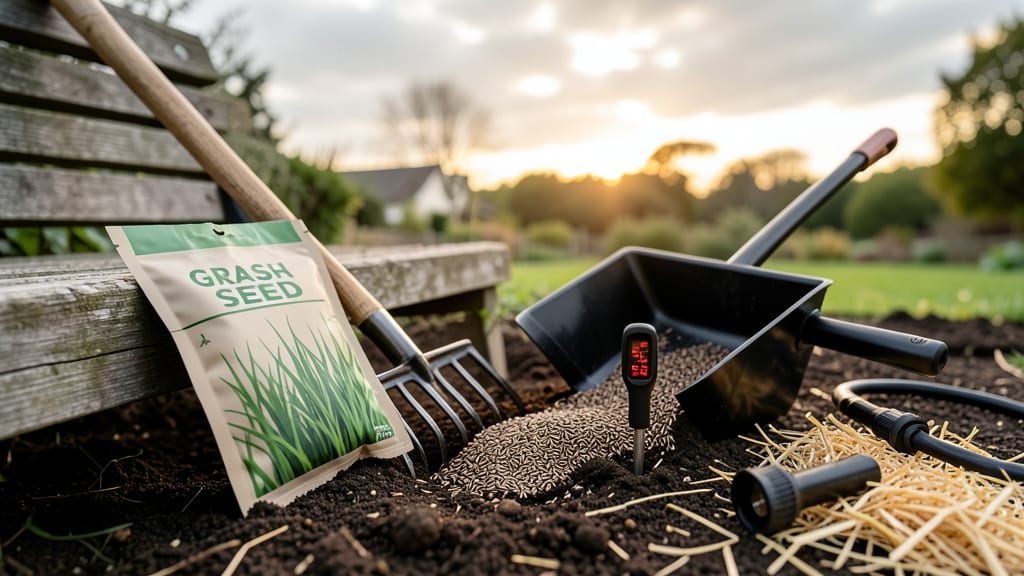
Planting grass seed in Oregon during late summer gives roots a 4-6 week head start before frost, but miss the window and you’ll end up with patchy lawns or wasted seed.
Oregon’s unpredictable weather can turn a lush lawn into a patchy nightmare—unless you plant grass seed at the perfect time. Late summer is your golden window, but timing it wrong means weak roots, frost damage, and wasted effort.
From the Willamette Valley’s mild climate to Eastern Oregon’s dry heat, each region has its own ideal planting dates. Coastal areas like Astoria can start as early as mid-August, while high desert zones like Bend should wait until early September.
In this guide, I’ll break down the exact planting windows for your Oregon zone, soil prep secrets to lock in moisture, and the 5 mistakes that kill grass seed before it even sprouts.
Best late summer planting windows in Oregon (by region)
Oregon’s diverse climate means your late summer planting window varies dramatically from the Willamette Valley to the High Desert. Cool-season grasses like Kentucky bluegrass and fescue thrive when planted 4-6 weeks before first frost, but timing depends on your microclimate.
Get it wrong, and you’ll face weak germination or frost damage before roots establish.
Each region has unique soil temperature thresholds and frost risks. For example, Portland’s first frost typically hits October 15, while Bend’s arrives by September 20.
Plant too late, and your grass won’t have time to develop a 4-inch root system before winter dormancy—critical for surviving Oregon’s wet, cold winters.
Soil temperature is your best guide: aim for 50-65°F at 4 inches deep. Use a soil thermometer to check—cool nights in late August can drop temps unexpectedly. Warm-season grasses like Bermuda (rare in Oregon) need 70°F+ soil, but most homeowners stick with cool-season varieties that adapt better to Oregon’s climate.
Here’s your region-by-region planting schedule, including frost dates and ideal soil conditions to maximize root growth before winter:
If you live in the Willamette Valley, aim for mid-August to give your grass 6-8 weeks to establish roots before frost. Coastal areas like Astoria can plant slightly earlier due to milder microclimates, while the High Desert demands earlier planting to beat the September frost.
Pro tip: Check the Oregon State University Extension frost maps for your exact location—some pockets of Eastern Oregon see frost as early as September 10.
For best results, choose cool-season grasses that match your region’s climate. Tall fescue dominates in Western Oregon for its drought tolerance, while fine fescue thrives in shady, coastal spots. Kentucky bluegrass needs full sun and stays green longer in mild winters—ideal for Portland suburbs.
Always check the seed bag for USDA Zone 7b-9a compatibility.
After sowing, water deeply 2x daily for the first 2 weeks to keep soil consistently moist. Avoid overwatering, which causes seed rot—a common mistake in Oregon’s humid late summers.
Once seedlings hit 2 inches tall, reduce to 1 inch per week (including rainfall) to encourage deep root growth before winter.
Timing isn’t just about frost—it’s about soil moisture and daylight hours. Late summer’s longer daylight gives seedlings extra energy to photosynthesize, while cooler nights reduce stress.
Plant in early September in the Willamette Valley, and you’ll see 60-70% germination before frost. Miss this window, and you’ll face thin, patchy lawns next spring.
Use a lawn calculator to determine seed rate (typically 5-8 lbs per 1,000 sqft for new lawns). For
How to prepare Oregon soil for fall grass seed success
Oregon’s clay-heavy soils and cool maritime climate demand special prep before planting fall grass seed. Without proper soil prep, seeds struggle to germinate, leaving you with patchy lawns by spring.
The key? Balancing moisture retention, pH levels, and organic matter—all while accounting for Oregon’s late-summer heat waves and autumn rains.
I’ve planted grass seed in Portland’s Willamette Valley and Medford’s high desert, and the difference between a thriving lawn and a failed attempt comes down to soil prep. Clay soils compact easily, suffocating roots, while acidic pH (common in Oregon) can stunt growth.
Here’s my battle-tested 7-step soil prep system for Oregon’s late-summer planting.
Your 7-Step Oregon Soil Prep Checklist
- 1
- 2
- 3
- 4
- 5
- 6
- 7
For coastal Oregon (e.g., Astoria or Cannon Beach), prioritize drainage—these areas stay damp longer. In high-desert zones (e.g., Bend or La Pine), focus on moisture retention with extra compost. Western Oregon’s clay soils benefit most from gypsum (10 lbs per 100 sq ft) to break up compaction.
Pro tip: Mulch heavily after planting to protect seeds from late-summer heat and wildlife (deer and rabbits love fresh grass!). Use straw or wood chips—avoid cedar mulch, which can inhibit germination. Water in the morning to prevent fungal diseases like dollar spot, common in Oregon’s humid autumns.
With these steps, your fall grass seed will germinate 30–50% faster and establish roots deep enough to survive Oregon’s first frost. Skip any of these, and you’ll be wrestling with bare patches next spring—trust me, I’ve been there! 🌱