
Plants
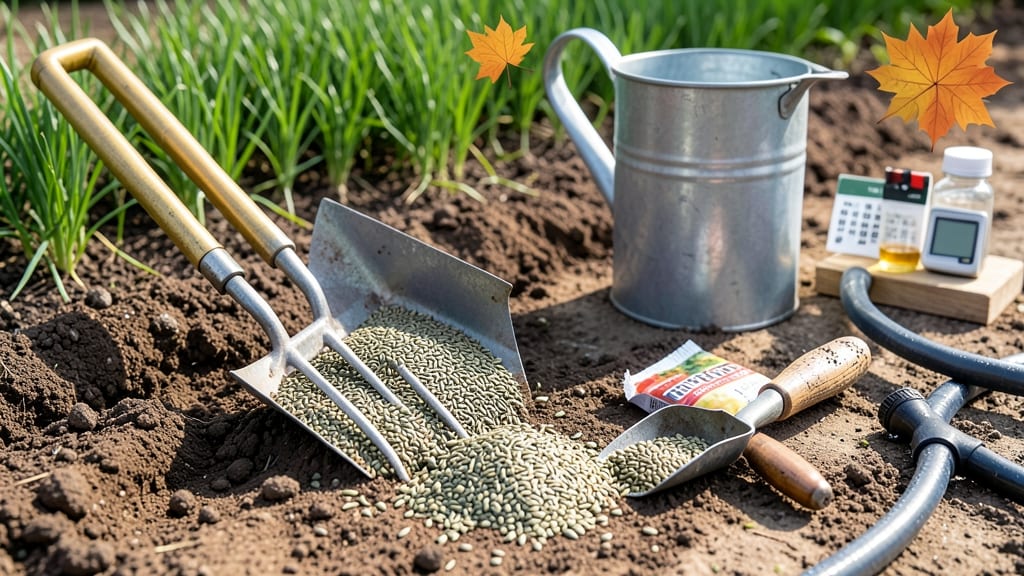
Planting grass seed in the fall gives your lawn the strongest start—but missing the ideal window can leave you with weak roots or wasted effort.
Picture this: You’ve spent hours prepping soil, picking the perfect seed blend, and even renting a spreader—only to watch your new grass struggle because you planted too late. The key is timing it right, so the grass establishes deep roots before winter sets in.
In Zone 6a, like many northern regions, the sweet spot is 4-6 weeks before your first frost—typically mid-September to early October. That window lets the grass germinate, grow, and harden off before the ground freezes, setting you up for a lush lawn next spring.
Below, I break down the exact deadlines by zone, how to prep your soil for success, and the 5 biggest mistakes that turn fall planting into a gamble. Let’s get your lawn off to the right start.
Fall planting deadlines by US hardiness Zones: when to plant grass seed for best results
Fall is the golden window for planting cool-season grass seed because cooler temperatures and increased rainfall create perfect conditions for root establishment. But timing matters—plant too early, and weeds take over; too late, and frost stops germination.
Your USDA Hardiness Zone determines the exact deadline, so let’s break it down by region to ensure your lawn thrives next spring.
Cool-season grasses like Kentucky bluegrass, tall fescue, and perennial ryegrass thrive when planted 4-6 weeks before the first frost. This window allows seeds to germinate, develop roots, and harden off before winter dormancy.
Missing this deadline can leave your lawn sparse or struggling to recover in spring. Let’s explore the zone-specific deadlines to avoid costly mistakes.
In Zones 3-4, where winters are harsh, your ideal planting window is narrow—mid-August to early September. Soil temperatures in these regions drop quickly, so seeds must germinate before consistent frost sets in by late September.
Use a soil thermometer to confirm temperatures are between 50-65°F; this range ensures strong root growth without overheating the seed.
For Zones 5-6, you’ve got a bit more flexibility, with late August to mid-September being the sweet spot. Planting in September gives seeds time to establish roots before the first frost, typically around early October.
If you miss this window, consider overseeding in early spring, though results may be less robust due to weed competition and warmer soil temperatures.
Gardeners in Zones 7-8 can push their deadlines slightly later, with September to early October being ideal. The longer growing season means seeds can germinate and develop roots even as temperatures dip.
However, avoid planting after mid-October, as cool nights and shorter days slow growth significantly. Monitor your local frost date and plant at least 4-6 weeks before the first expected frost.
If you live in Zones 9-10, you’re in luck—your planting window extends into early November. Mild winters allow for later planting, but don’t wait too long. Soil temperatures below 60°F can stunt germination, and occasional frosts may still occur.
Test your soil temperature weekly to ensure it stays within the 65-80°F range for optimal seed performance.
Climate plays a huge role in fall planting success. Regions with dry falls, like parts of the Southwest, may need to plant earlier to rely on natural rainfall for germination.
Conversely, humid climates like the Southeast can extend deadlines slightly, but beware of fungal diseases that thrive in damp conditions. Always check your local weather forecast and adjust planting dates accordingly.
Pro tip: If you’re unsure about your exact frost date, use the National Weather Service’s frost prediction tool or ask your local cooperative extension office. They provide hyper-local data that can save your lawn from poor timing.
For example, Denver (Zone 5) might have an earlier frost than Boulder (Zone 6), even though they’re nearby.
Remember, the goal is to give your grass seed 4-6 weeks of active growth before winter dormancy. This ensures roots are deep enough to survive drought and outcompete weeds next spring.
Plant too late, and you’ll end up with a thin, patchy lawn that’s vulnerable to winter kill and spring weeds. With these zone-specific deadlines, you’re set for a lush, healthy lawn come spring.
How to prepare your lawn for fall grass seed planting: soil, weather, and pre-planting checks
Fall planting gives grass seed the perfect head start—cooler temps and consistent moisture help roots establish before winter. But skipping prep steps can leave your lawn patchy or weak.
I’ve learned the hard way: soil temperature, moisture levels, and weed control make or break success. Let’s fix that.
First, check your soil temperature. Ideal ranges are 60-75°F for cool-season grasses like tall fescue or Kentucky bluegrass. Use a soil thermometer—planting when temps drop below 50°F risks poor germination.
In USDA Zones 3-5, aim for late August to early September; Zones 6-10 can wait until September-October.
Moisture is non-negotiable. Grass seed needs consistent dampness to sprout—water deeply 1-2 inches before planting, then keep soil moist (not soggy) for 2-4 weeks. A simple test: dig 2 inches deep—if dry, water immediately. Early mornings are best to reduce evaporation and fungal risks.
✅ Critical Pre-Planting Checks
- 🌡️ Soil temp: 60-75°F (use a thermometer)
- 💧 Moisture: Deep water 1-2" before planting
- 🌱 Weeds: Kill with glyphosate 2 weeks pre-plant
- 🪣 Compaction: Aerate if soil feels hard (test with a screwdriver)
- ☀️ Sunlight: Full sun (6+ hours) for best growth
Don’t overlook weed competition. Apply pre-emergent herbicide 2 weeks before planting to block weeds—but skip post-emergent until new grass is 3-4 inches tall. For compacted soil, rent an aerator or spike with a garden fork. Test your soil’s pH too: most grasses thrive at 6.0-7.0.
Adjust with lime (to raise) or sulfur (to lower) if needed.
Finally, time your last mow right. Cut existing grass short (1-1.5 inches) 1-2 days before seeding to improve seed-to-soil contact. Avoid heavy foot traffic on fresh seed—place a light straw mulch (¼ inch) to retain moisture and shield seeds from birds.
Patience pays off: germination takes 7-21 days—stay consistent with watering!
With these steps, your fall grass seed will sprout strong and outcompete weeds next spring. The key? Prep early, monitor moisture, and act fast—don’t wait until the last-minute before frost! 🌱